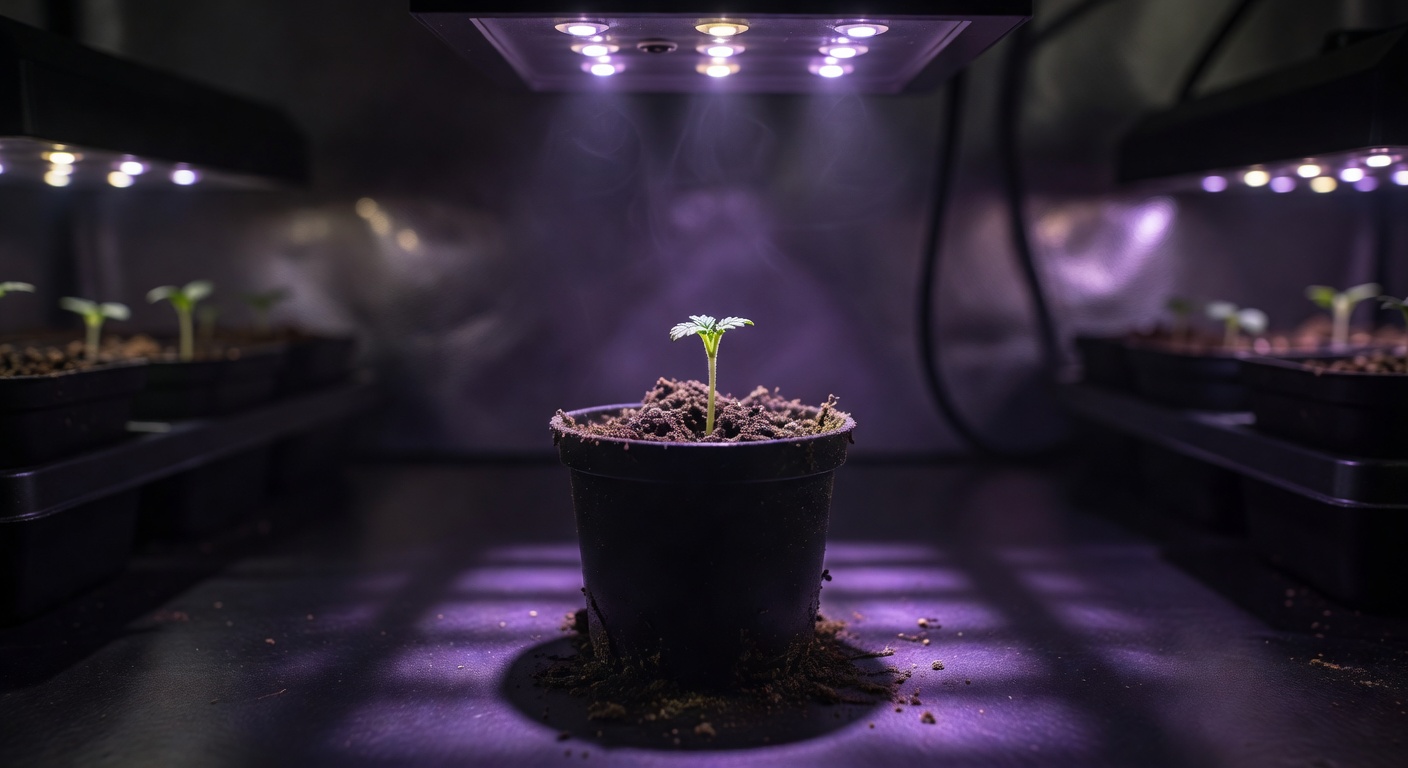
Growing cannabis at home has become legal for adults in many jurisdictions across North America and beyond. Whether you are motivated by cost savings, quality control, strain access, or simply the satisfaction of cultivating your own medicine, home growing is more accessible than ever. This guide covers what every first-time grower needs to know.
Legal Considerations First
Before buying seeds or equipment, verify the laws in your jurisdiction. As of 2026:
- **Canada:** Adults can grow up to 4 plants per household nationwide (except Manitoba and Quebec, which have banned home cultivation)
- **United States:** Home grow laws vary by state. States like Colorado, California, Michigan, and Oregon permit 6-12 plants for personal use. Other legal states prohibit home cultivation entirely.
- **Key restrictions:** Most jurisdictions require plants to be out of public view, in a secured area, and grown by someone of legal age. Some limit the number of flowering plants versus total plants.
Always research your specific local regulations before starting.
Indoor vs Outdoor Growing
Indoor Growing
Pros: - Complete environmental control (light, temperature, humidity) - Year-round growing regardless of climate - Privacy and security - Typically higher quality flower due to controlled conditions
Cons: - Higher startup cost ($200-1,500+ for equipment) - Ongoing electricity costs ($30-100/month depending on scale) - Requires dedicated space (closet, tent, or room) - Steeper learning curve for environmental management
Outdoor Growing
Pros: - Much lower cost (sunlight is free) - Plants can grow larger with higher yields - More natural growing process - Simpler for beginners in suitable climates
Cons: - Limited to one growing season (spring through fall in most climates) - Vulnerable to weather, pests, and mold - Less privacy - Less control over plant size and flower quality
For first-time growers, a basic indoor tent setup offers the best balance of control and simplicity.
Essential Equipment for Indoor Growing
The Grow Tent
A grow tent provides a contained, reflective environment for your plants. For 1-4 plants, a 2x4 or 4x4 foot tent is sufficient. Quality tents from brands like Vivosun, Mars Hydro, or Spider Farmer range from $70-200.
Lighting
Light is the single most important factor in cannabis growth. Modern LED grow lights have made indoor growing dramatically more efficient and affordable:
- **LED (recommended):** Energy efficient, low heat, full spectrum. A quality LED for a 4x4 tent costs $150-400 and draws 200-400 watts.
- **HPS (high pressure sodium):** The old standard. Cheap to buy but expensive to run, produces significant heat, and requires separate ballasts and reflectors.
For beginners, a full-spectrum LED is the clear choice. Look for lights that provide at least 30-40 watts per square foot of grow space.
Ventilation
Cannabis plants need fresh air exchange and odor control:
- **Inline exhaust fan:** Pulls stale air out of the tent
- **Carbon filter:** Eliminates cannabis odor (essential for discretion)
- **Oscillating fan:** Provides air circulation and strengthens stems
- **Budget:** $80-150 for a basic fan and filter combo
Growing Medium
- **Soil (recommended for beginners):** Forgiving, contains natural nutrients, familiar to anyone who has grown houseplants. Fox Farm Ocean Forest and Happy Frog are popular cannabis-specific soils.
- **Coco coir:** A hydroponic medium made from coconut husks. Faster growth than soil but requires more precise nutrient management.
- **Hydroponics:** Growing in water with dissolved nutrients. Fastest growth and highest yields but steep learning curve.
Pots
Fabric pots (3-5 gallon for indoor plants) are preferred over plastic because they allow air pruning of roots, preventing root-bound plants and improving overall health.
Nutrients
Cannabis has specific nutritional needs that change throughout its lifecycle:
- **Vegetative stage:** Higher nitrogen (N), moderate phosphorus (P) and potassium (K)
- **Flowering stage:** Lower nitrogen, higher phosphorus and potassium
- **Brands for beginners:** General Hydroponics Flora series, Fox Farm trio, or Gaia Green dry amendments for organic growing
Start at half the manufacturer's recommended dose and increase gradually. Overfeeding is one of the most common beginner mistakes.
The Cannabis Growth Cycle
1. Germination (2-7 days)
Place seeds between moist paper towels in a warm, dark place. Within 24-72 hours, a white root (taproot) will emerge. Once the taproot is 0.5-1 inch long, plant the seed root-down in your growing medium about half an inch deep.
2. Seedling Stage (2-3 weeks)
The plant develops its first true leaves (the ones with serrated edges). Keep humidity high (65-80%), temperature moderate (70-80 degrees Fahrenheit), and light on an 18/6 hour cycle (18 hours on, 6 hours off). Water sparingly — seedlings need very little.
3. Vegetative Stage (3-8 weeks)
The plant focuses on building structure — stems, branches, and fan leaves. Continue the 18/6 light cycle. This is the stage where you can train your plant (bending and tying branches to create an even canopy) and where nutrient needs increase significantly.
The length of the vegetative stage is up to you. Longer veg means bigger plants and higher yields, but also larger space requirements.
4. Flowering Stage (7-12 weeks)
Switch your light cycle to 12/12 (12 hours on, 12 hours off) to trigger flowering. The plant will begin producing buds over the next 7-12 weeks depending on genetics. Indica-dominant strains tend to finish faster (7-9 weeks), while sativa-dominant strains can take 10-14 weeks.
During flowering, watch for: - Male plants (if using regular seeds): Remove immediately to prevent pollination - Nutrient deficiencies: Yellowing leaves, brown spots, or curling can indicate problems - Humidity control: Keep humidity below 50% during flowering to prevent mold
5. Harvest and Drying (1-2 weeks)
Harvest when trichomes (the tiny crystal structures on buds) turn from clear to milky white with some amber. This indicates peak cannabinoid content. Use a jeweler's loupe or digital microscope to check trichome color.
After cutting, hang branches in a dark room at 60 degrees Fahrenheit and 60% humidity for 7-14 days. Proper drying is critical — too fast and the flower will be harsh; too slow and mold becomes a risk.
6. Curing (2-8 weeks)
After drying, trim buds and place them in glass mason jars, filling each jar about 75% full. Open the jars ("burp" them) daily for the first two weeks to release moisture and prevent mold. After two weeks, burp every few days. Curing for at least four weeks dramatically improves flavor, aroma, and smoothness.
Common Beginner Mistakes
1. Overwatering: The number one killer of cannabis plants. Water only when the top inch of soil is dry. Lift the pot — if it feels light, water; if heavy, wait. 2. Overfeeding: Start nutrients at half strength. Burned leaf tips are a sign of nutrient excess. 3. Poor pH management: Cannabis absorbs nutrients best at pH 6.0-7.0 in soil. If your water is outside this range, the plant cannot feed properly even if nutrients are present. A $15 pH meter and pH-adjusting solution solve this. 4. Insufficient light: Stretchy, thin plants with small buds mean they need more light. 5. Harvesting too early: Patience is rewarded. Waiting for full trichome maturity dramatically improves potency and flavor.
Expected Costs and Yields
A basic indoor setup for 2-4 plants runs $300-600 for equipment plus $20-40/month for electricity and nutrients. A well-grown indoor plant typically yields 1-4 ounces of dried flower per plant. At dispensary prices, even a modest harvest pays for the entire setup.
Research genetics before you grow — different strains have very different cultivation requirements and yield potential. Browse the [StrainCompass strain database](/strains) to compare growing difficulty, flowering time, and expected yields. Our strain pages include grower reviews and tips from the community.