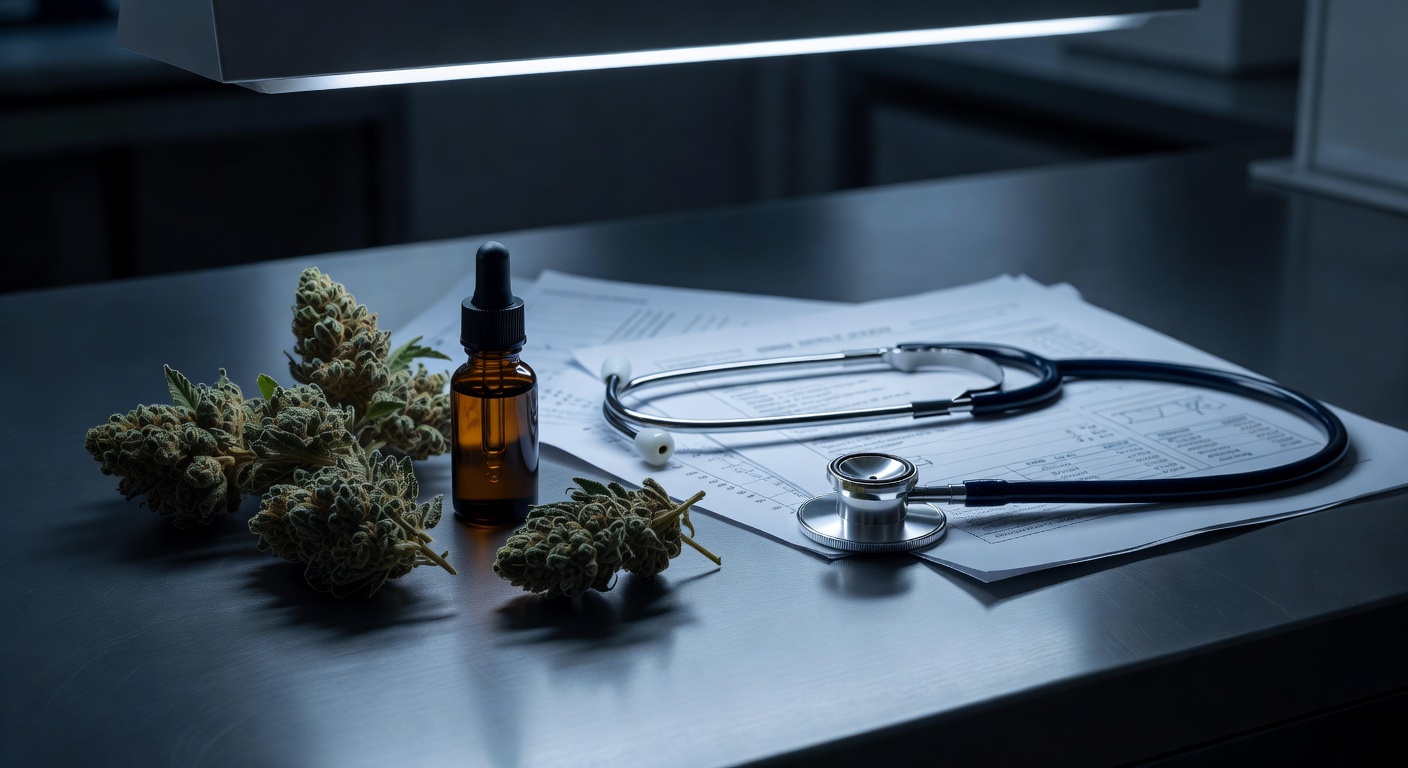
In 2018, the FDA approved Epidiolex, the first cannabis-derived medication, for the treatment of severe epilepsy. That moment marked a turning point for CBD (cannabidiol), transforming it from a niche cannabinoid into one of the most researched natural compounds on the planet. By 2026, the global CBD market exceeds $25 billion annually, and new research is published almost weekly. Here is what the science says.
What Is CBD?
CBD is the second most abundant cannabinoid in cannabis, after THC. Unlike THC, CBD is not psychoactive — it will not get you "high." Instead, it interacts with the endocannabinoid system in more subtle ways, modulating receptors rather than activating them directly.
CBD was first isolated in 1940 by Roger Adams and its structure was determined in 1963 by Raphael Mechoulam. Despite this long history, serious medical research did not begin until the 2000s, partly due to legal restrictions on cannabis research.
Proven Medical Applications
Epilepsy (Strong Evidence)
The most robust evidence for CBD comes from epilepsy treatment. Multiple randomized, double-blind, placebo-controlled trials — the gold standard of medical research — have demonstrated that CBD significantly reduces seizure frequency in patients with Dravet syndrome and Lennox-Gastaut syndrome, two severe forms of childhood epilepsy that respond poorly to conventional medications.
Epidiolex (pharmaceutical-grade CBD) is now FDA-approved for these conditions, as well as for seizures associated with Tuberous Sclerosis Complex. In clinical trials, patients experienced a 30-40% reduction in monthly seizure frequency compared to placebo.
Anxiety Disorders (Moderate-Strong Evidence)
CBD's anxiolytic (anti-anxiety) properties are among its best-documented effects. A 2019 study in The Permanente Journal found that 79.2% of patients reported decreased anxiety scores within the first month of CBD treatment. A Brazilian study using 300mg of CBD before a simulated public speaking test found that it significantly reduced anxiety compared to placebo.
The mechanism appears to involve CBD's interaction with serotonin 5-HT1A receptors — the same receptors targeted by many pharmaceutical anti-anxiety medications. This interaction may explain why CBD produces calming effects without the sedation or dependence risks associated with benzodiazepines.
Research is ongoing for specific anxiety conditions including: - Generalized anxiety disorder (GAD) - Social anxiety disorder - Post-traumatic stress disorder (PTSD) - Obsessive-compulsive disorder (OCD)
Chronic Pain (Moderate Evidence)
CBD has demonstrated analgesic and anti-inflammatory properties in both preclinical and clinical studies. It appears to work through multiple mechanisms:
- **Inhibition of FAAH** — the enzyme that breaks down anandamide, an endocannabinoid involved in pain modulation. By slowing anandamide breakdown, CBD extends its pain-relieving effects.
- **TRPV1 activation** — CBD activates vanilloid receptors involved in pain perception and inflammation.
- **Anti-inflammatory action** — CBD reduces production of pro-inflammatory cytokines.
A 2020 systematic review in the Journal of Clinical Medicine found that CBD showed promise for neuropathic pain, arthritis-related inflammation, and cancer-related pain, though the authors noted that more large-scale human trials are needed.
Sleep (Moderate Evidence)
While CBD is not a sedative in the traditional sense, research suggests it may improve sleep by addressing the underlying causes of insomnia — primarily anxiety and pain. A 2019 case series published in The Permanente Journal found that 66.7% of patients reported improved sleep scores in the first month.
At lower doses (25-75mg), CBD tends to promote alertness. At higher doses (150mg+), it may have more direct sedating effects. This dose-dependent response is important for consumers to understand.
Neuroprotection (Emerging Evidence)
Some of the most exciting CBD research involves neurodegenerative diseases:
- **Alzheimer's disease:** Preclinical studies show CBD may reduce neuroinflammation and oxidative stress, both key factors in Alzheimer's progression.
- **Parkinson's disease:** A small clinical trial found CBD improved quality of life and reduced tremors in Parkinson's patients.
- **Multiple sclerosis:** Sativex, a THC/CBD combination spray, is approved in over 25 countries for MS-related spasticity.
These applications are still in early stages, but the neuroprotective potential of CBD is a major area of active research.
Important Considerations
Quality Matters Enormously
The unregulated CBD market is plagued by quality issues. Studies have found that: - 69% of CBD products tested did not contain the amount of CBD stated on the label. - Some products contained significant amounts of THC not listed on the label. - Heavy metal and pesticide contamination has been found in products from unregulated sources.
Always purchase CBD from brands that provide third-party lab reports (COAs) and use hemp grown in regulated markets.
Drug Interactions
CBD inhibits certain cytochrome P450 enzymes in the liver, meaning it can interact with other medications. This is particularly important for people taking: - Blood thinners (warfarin) - Heart medications - Anti-seizure drugs (ironically, even Epidiolex can interact with other epilepsy medications) - Immunosuppressants
Always consult a healthcare provider before adding CBD to an existing medication regimen.
Dosing Is Individual
There is no universal CBD dose. Effective doses in clinical trials have ranged from 25mg to 1,500mg daily, depending on the condition being treated. Most consumer products provide 10-50mg per serving. Starting low (10-20mg) and gradually increasing is the safest approach.
Full-Spectrum vs. Isolate
- **Full-spectrum CBD** contains CBD plus other cannabinoids (including trace THC under 0.3%), terpenes, and flavonoids. Research suggests this produces stronger effects due to the entourage effect.
- **Broad-spectrum CBD** contains multiple cannabinoids and terpenes but zero THC.
- **CBD isolate** is pure CBD with no other cannabis compounds. It may be preferred by those who need to avoid any trace of THC.
The Road Ahead
CBD research has exploded in the past decade, but there is still much to learn. Large-scale, long-term human trials are needed for most conditions. The rescheduling of cannabis in various jurisdictions is making this research easier to conduct.
What is clear is that CBD is not a cure-all, but it is also not a placebo. It is a pharmacologically active compound with genuine therapeutic potential for specific conditions. As research continues, we will develop a clearer picture of who benefits most, at what doses, and in what formulations.
StrainCompass tracks CBD content across our entire strain database, making it easy to find high-CBD strains whether you are looking for a 1:1 THC:CBD ratio or a CBD-dominant variety with minimal psychoactive effects.