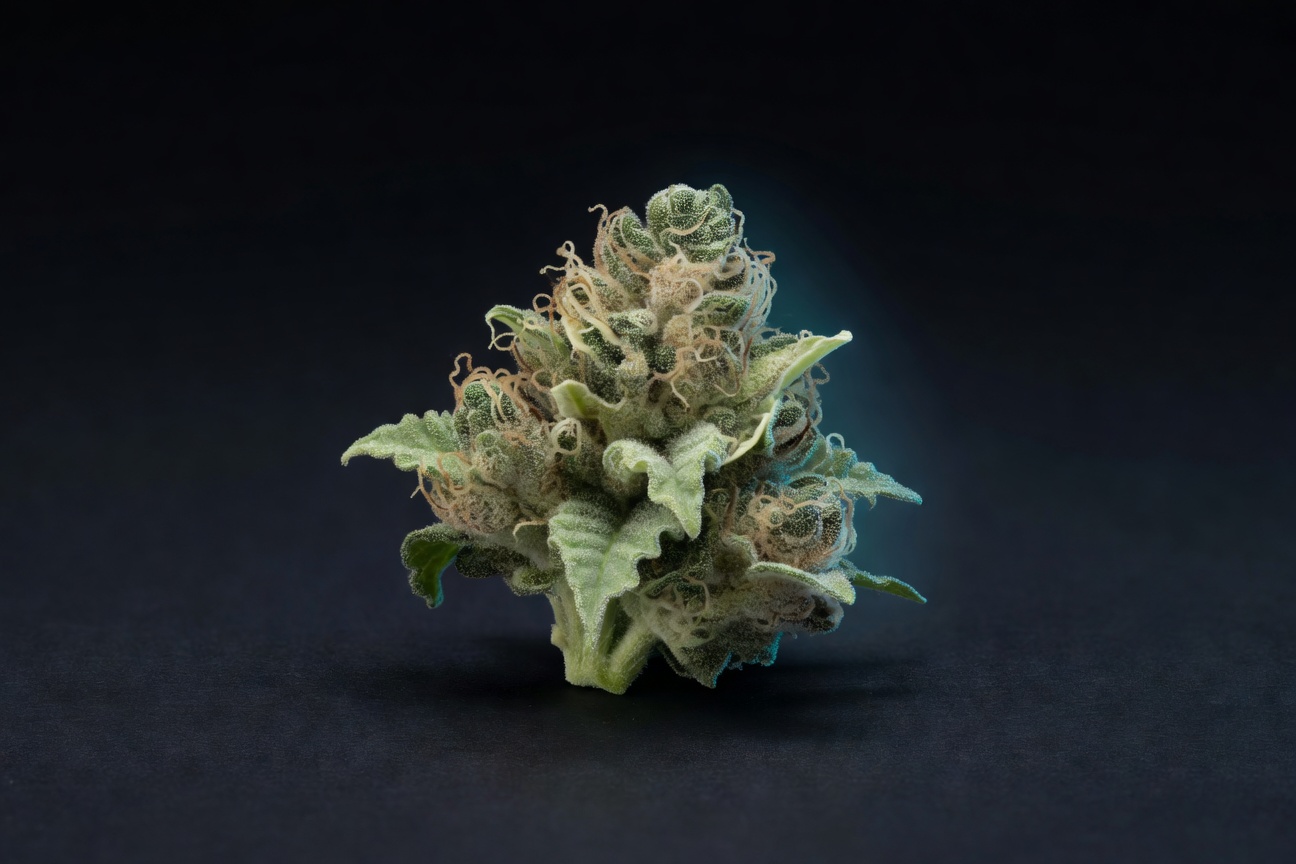
THC
5%
CBD
10%
Charlotte's Angel CBD crosses Dutch Charlotte and Red Angel for a low-THC, high-CBD strain used for anxiety and pain.
Lineage
come from Dutch Charlotte (CBD rich clone) crossed with Red Angel (clone-only Amsterdam CBD variety)
Explore family tree →No effect, terpene or flavor data specific to Charlotte's Angel CBD has been published yet, so we don't guess. For what CBD-dominant strains usually do, see the effects guide.
Explore More
THC in this profile
5% THC
Growing Information
Flowering Time
11–12 weeks
About Charlotte's Angel CBD
Charlotte's Angel CBD pairs a CBD-rich Dutch Charlotte clone with Red Angel, a clone-only Amsterdam variety also bred for high CBD content, and the result is a cultivar built explicitly around cannabinoid balance rather than THC potency. THC caps out at around 5 percent here, while CBD reaches as high as 10 percent, giving it a ratio that favors CBD by a wide margin, a profile that shows up directly in its recorded medical use for anxiety and pain, conditions where a clear head and reduced psychoactivity are often preferred. Seedsman offers this version, and flowering runs a relatively long eleven to twelve weeks, which growers working with CBD-forward genetics should plan for accordingly. No specific effects or flavor profile have surfaced for this cut, and height and yield figures aren't yet available either, but the cannabinoid ratio and medical use case together make this one of the more clearly defined strains in terms of what it's actually meant to do for the person smoking it.
Where to Buy Seeds
We may earn a commission from purchases made through these links.
Frequently Asked Questions about Charlotte's Angel CBD
Is Charlotte's Angel CBD an Indica, Sativa, or Hybrid?
Charlotte's Angel CBD is classified as a CBD-dominant cannabis strain.
What cannabinoid content is reported for Charlotte's Angel CBD?
Charlotte's Angel CBD: 5% THC and 10% CBD reported in our data. The THC figure, when present, is the upper end of the reported range, not a typical measured dose. Potency can vary across harvests, phenotypes, and growing conditions.