THC
15–18.6%
CBD
0.5%
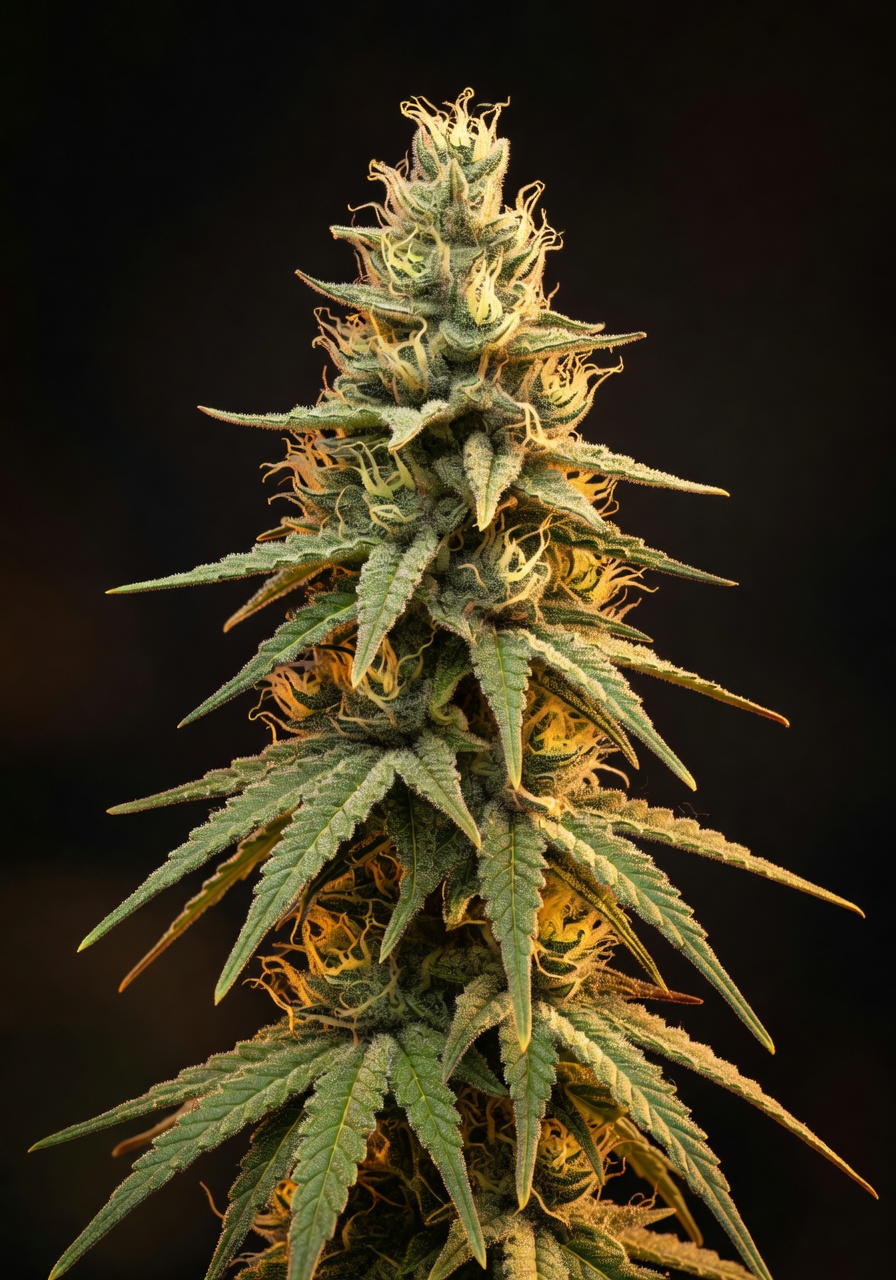
Cheeseberry Haze is a sativa from Eskobar used for depression, anxiety, and stress, testing 15-18.6% THC.
No effect, terpene or flavor data specific to Cheeseberry Haze has been published yet, so we don't guess. For what sativa strains usually do, see the effects guide.
THC in this profile
18.6% THC
About Cheeseberry Haze
Eskobar's Cheeseberry Haze shows up most often in conversations about depression, anxiety, and stress, the three medical uses tied to this sativa in its documentation. THC testing runs from 15 to 18.6 percent, a moderate range that fits the kind of daytime-friendly use those three conditions often call for, since patients managing stress or low mood don't always want the heaviest THC ceiling available. No terpene breakdown, specific flavor list, or additional effects have been published for this cut, so what's recorded centers on that medical trio and the potency range rather than a full sensory profile. Between the moderate THC ceiling and a medical use list built around mental health rather than physical symptoms, Cheeseberry Haze reads as a strain positioned for regular, manageable use rather than an occasional high-potency choice. As it stands, it's best understood through that medical trio and its 15-to-18.6-percent THC window rather than any documented aroma or feel.
Where to Buy Seeds
We may earn a commission from purchases made through these links.
Frequently Asked Questions about Cheeseberry Haze
Is Cheeseberry Haze an Indica, Sativa, or Hybrid?
Cheeseberry Haze is classified as a sativa cannabis strain.
What cannabinoid content is reported for Cheeseberry Haze?
Cheeseberry Haze: 18.6% THC and 0.5% CBD reported in our data. The THC figure, when present, is the upper end of the reported range, not a typical measured dose. Potency can vary across harvests, phenotypes, and growing conditions.