THC
22%
CBD
0.1%
Collective Moonshine Mass crosses Old School Haze with Monster Mass for a sativa-leaning hybrid with uplifting effects and hazy, fruity flavors.
No effect, terpene, flavor or medical-use data specific to Collective Moonshine Mass has been published yet, so we don't guess. For what hybrid strains usually do, see the effects guide.
THC in this profile
22% THC
Growing Information
Flowering Time
9–9 weeks
About Collective Moonshine Mass
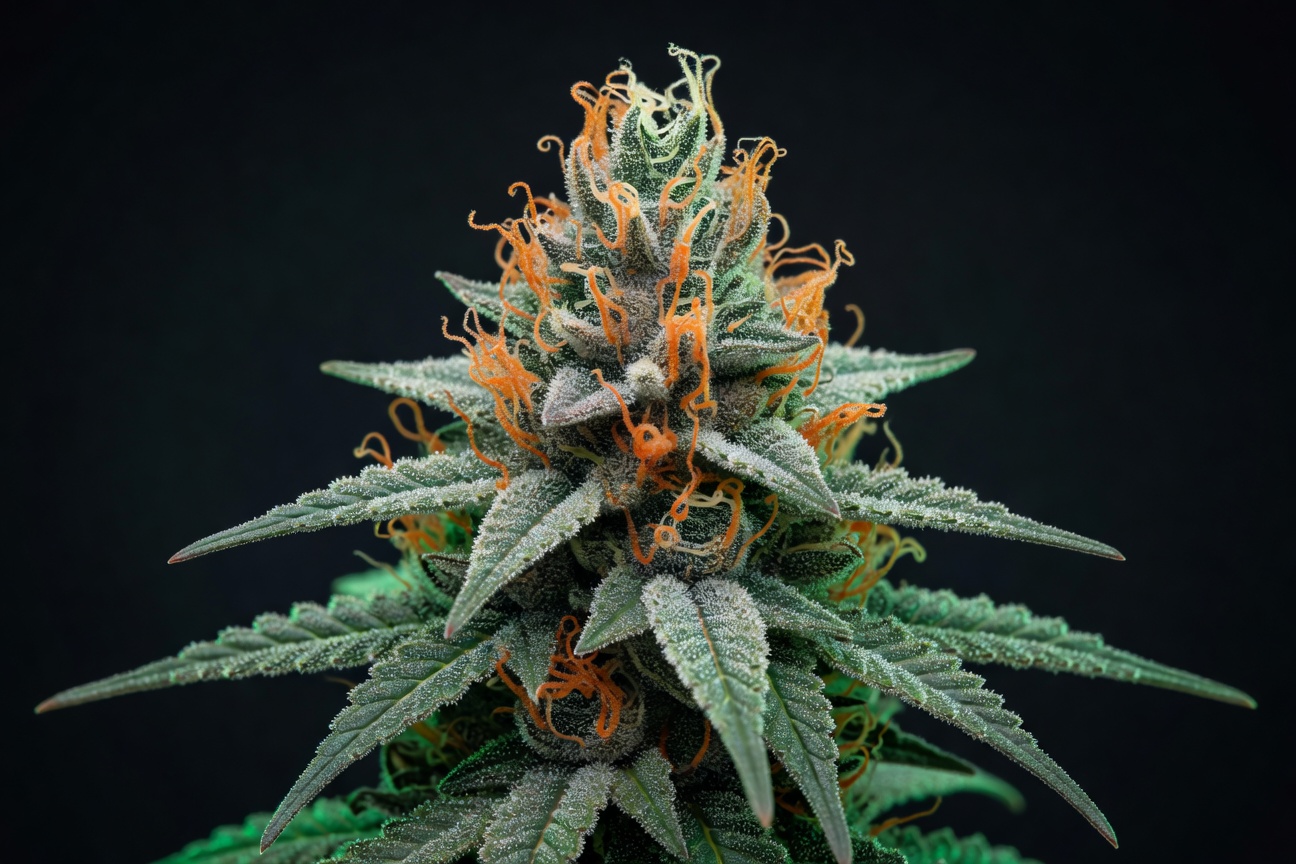
Moonshine Mass Marijuana Seeds - Critical Mass Collective Seed Bank Moonshine Mass comes from crossing of specially selected Old School Haze with an outstanding Monster Mass. Old School Haze is a typical Sativa, a tall plant reaching 2-3 meters in optimal conditions and forming a Christmas-tree structure. Its nodes are equally spaced and the profile is almost always symmetrical as it soars upward during its vegetative cycle. Moonshine Mass will produce giant, mid-density silver/blue buds fully loaded with psychoactive resin glands and tipped with ice white hairs and reeking of sharp Gin/fresh Citrus with Hazey pine undertones. The flavour complements the aroma beautifully, pungent and almost alcoholic with the sharp gin balanced by the sweet lemon and grapefruit. Very Hazey and delicate tastes of pine and sandalwood on the exhale. Its long-lasting effect is great for day time activities, very psychoactive Sativa high, clear but intoxicating. Genetics: Monster Mass X Old School Haze Sex: Feminized Outdoor Flowering: Early October. Indoor Flowering: Approx 60 - 65 days Outdoor Yield: 750 g/plant Indoor Yield: 600 g/m2 THC: 22%
Where to Buy Seeds
We may earn a commission from purchases made through these links.
Frequently Asked Questions about Collective Moonshine Mass
Is Collective Moonshine Mass an Indica, Sativa, or Hybrid?
Collective Moonshine Mass is classified as a hybrid cannabis strain.
What cannabinoid content is reported for Collective Moonshine Mass?
Collective Moonshine Mass: 22% THC and 0.1% CBD reported in our data. The THC figure, when present, is the upper end of the reported range, not a typical measured dose. Potency can vary across harvests, phenotypes, and growing conditions.