THC
19.2–22.7%
CBD
0.1%
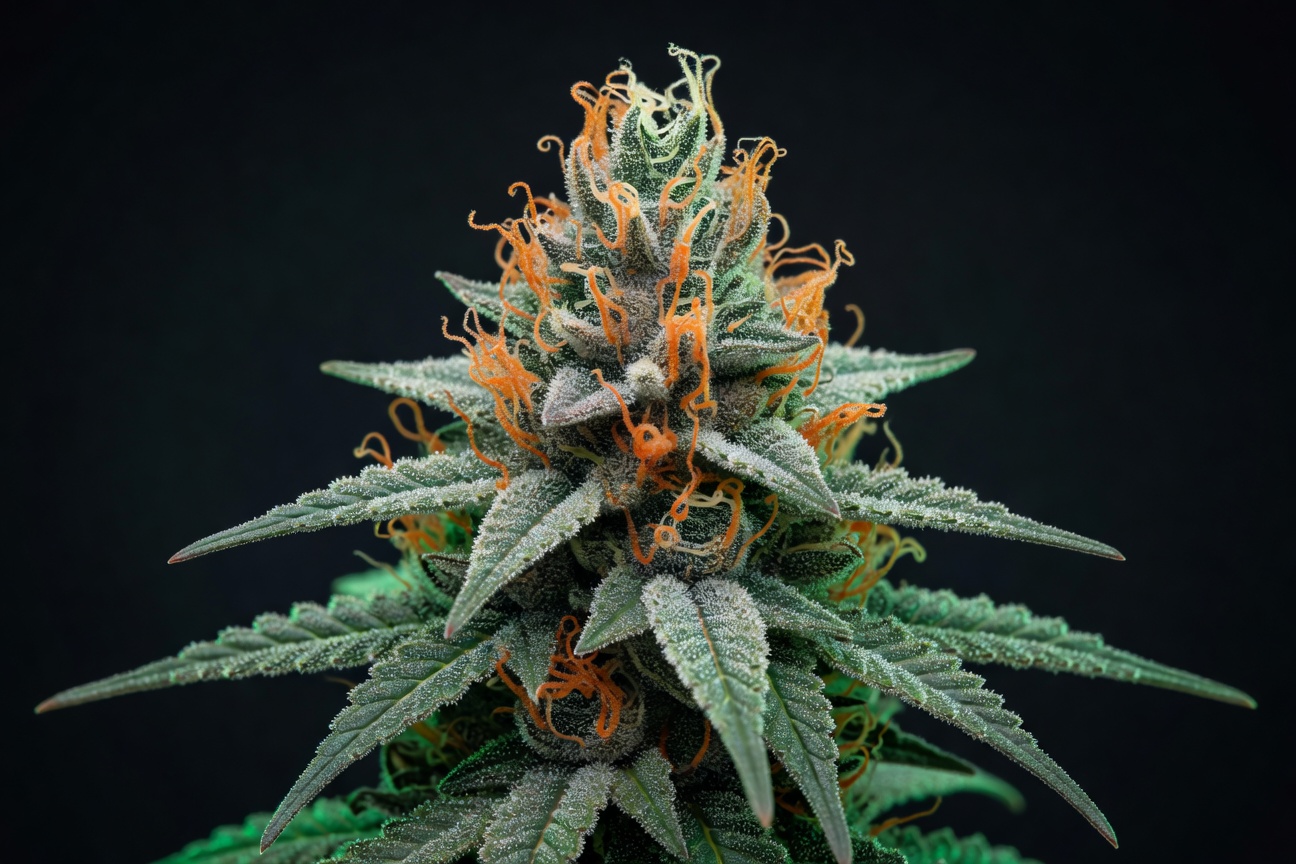
Crackleberry from West Coast Masters is a hybrid testing up to 22% THC, with little else about its flavor or effects documented.
No effect, terpene, flavor or medical-use data specific to Crackleberry has been published yet, so we don't guess. For what hybrid strains usually do, see the effects guide.
THC in this profile
22.7% THC
About Crackleberry
West Coast Masters' Crackleberry doesn't come with a published lineage or grow chart, so what's on record here is potency alone, and it's a meaningful number, testing as high as 22% THC. That places it well above an average garden-variety hybrid and into territory that demands some tolerance before diving in. The name suggests a berry-forward character, but without confirmed flavor or terpene data, that's speculation rather than fact, and the same goes for effects: none have been documented for this particular cut. What growers and buyers are left with is a strength rating and a breeder name, which for a strain this potent might be enough of a draw on its own. Anyone picking this one up should treat the THC ceiling as the headline fact and everything else, taste, high, grow behavior, as something to discover firsthand rather than expect from a fact sheet that simply doesn't cover it yet.
Where to Buy Seeds
We may earn a commission from purchases made through these links.
Frequently Asked Questions about Crackleberry
Is Crackleberry an Indica, Sativa, or Hybrid?
Crackleberry is classified as a hybrid cannabis strain.
What cannabinoid content is reported for Crackleberry?
Crackleberry: 22.7% THC and 0.1% CBD reported in our data. The THC figure, when present, is the upper end of the reported range, not a typical measured dose. Potency can vary across harvests, phenotypes, and growing conditions.