THC
—
CBD
0.2%
Genetics Split
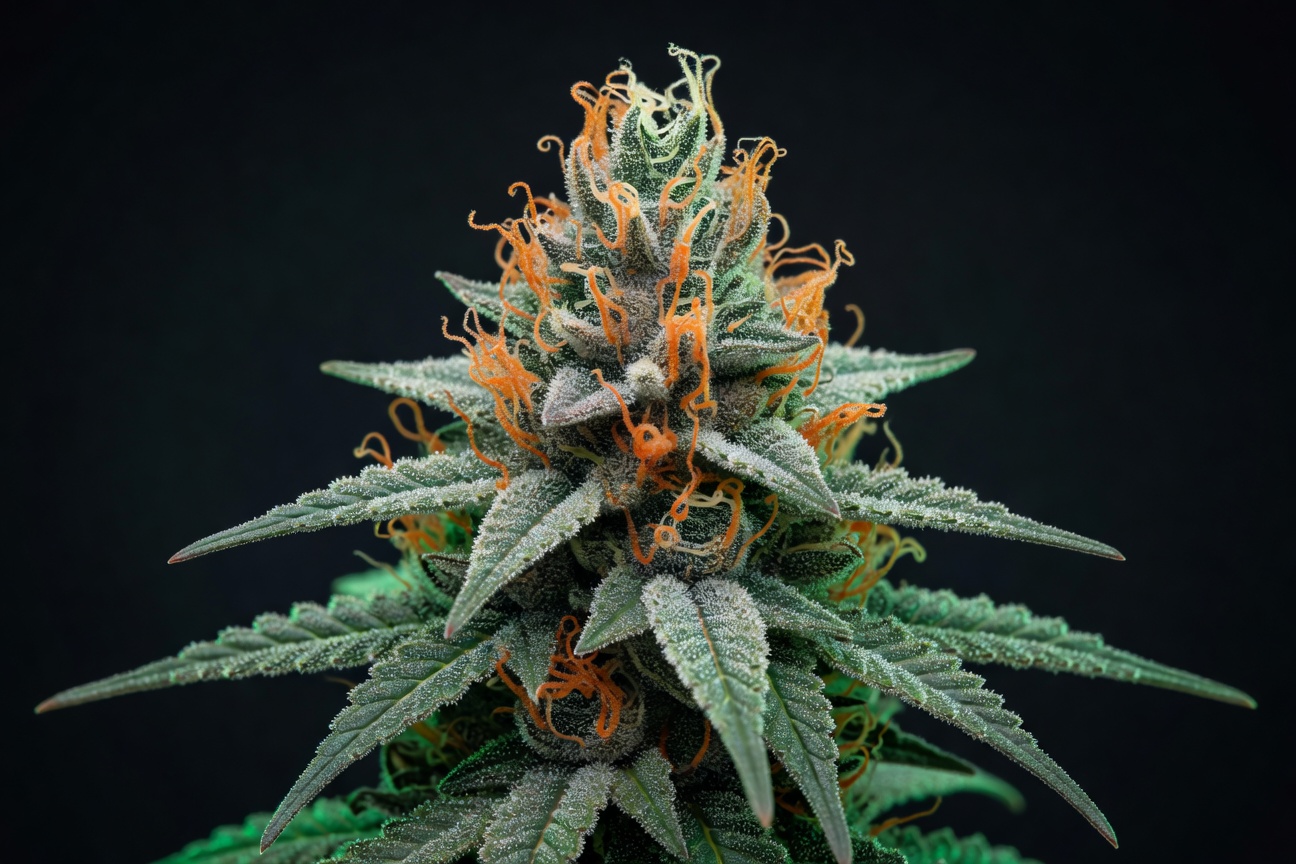
Dancehall is a difficult-to-grow, 90% sativa cross of Jamaican Lambsbread and Northern Lights #5 with a 10 to 11 week flowering time.
Lineage
Jamaican Lambsbread x Northern Lights #5
Jamaican Lambsbread × Northern Lights #5
Explore family tree →No effect, terpene, flavor or medical-use data specific to Dancehall has been published yet, so we don't guess. For what hybrid strains usually do, see the effects guide.
Growing Information
Flowering Time
10–11 weeks
Difficulty
difficult
Height (Indoor)
100-150cm
Height (Outdoor)
200-300cm
Yield (Indoor)
400-500 g/m²
About Dancehall
Jamaican Lambsbread meets Northern Lights #5 in Dancehall, a hybrid that leans hard toward its sativa side at 90 percent, with only 10 percent indica in the mix. Reggae Seeds rates this one difficult to grow, and the numbers back that up: a long 10 to 11 week flowering period paired with plants that can tower to 200 or even 300 centimeters outdoors, while staying at a still-substantial 100 to 150 centimeters indoors. Indoor growers can expect 400 to 500 grams per square meter for their trouble. No confirmed THC ceiling, effects, flavors, terpenes, or medical uses are on file for this listing, so the reward for taking on such a demanding grow isn't fully documented on paper. What is clear is the genetic pairing behind it, two well-regarded sativa-leaning lines brought together in a cross that asks real patience and garden space from whoever takes it on.
Where to Buy Seeds
We may earn a commission from purchases made through these links.
Bred from Dancehall
5 crosses in our database list Dancehall as a parent.
Frequently Asked Questions about Dancehall
Is Dancehall an Indica, Sativa, or Hybrid?
Dancehall is classified as a hybrid cannabis strain bred from a genetic cross of Jamaican Lambsbread × Northern Lights #5.
What cannabinoid content is reported for Dancehall?
Dancehall: 0.2% CBD reported in our data. The THC figure, when present, is the upper end of the reported range, not a typical measured dose. Potency can vary across harvests, phenotypes, and growing conditions.