THC
21%
CBD
0.5%
Genetics Split
A robust hybrid from the Italian Ice Line, easy to clone with high yields and a refreshing citrus flavor.
No effect, terpene, flavor or medical-use data specific to Delizie Al Limone has been published yet, so we don't guess. For what hybrid strains usually do, see the effects guide.
THC in this profile
21% THC
Growing Information
Flowering Time
8–9 weeks
Difficulty
moderate
Height (Indoor)
80-120cm
Yield (Indoor)
450-550 g/m²
About Delizie Al Limone
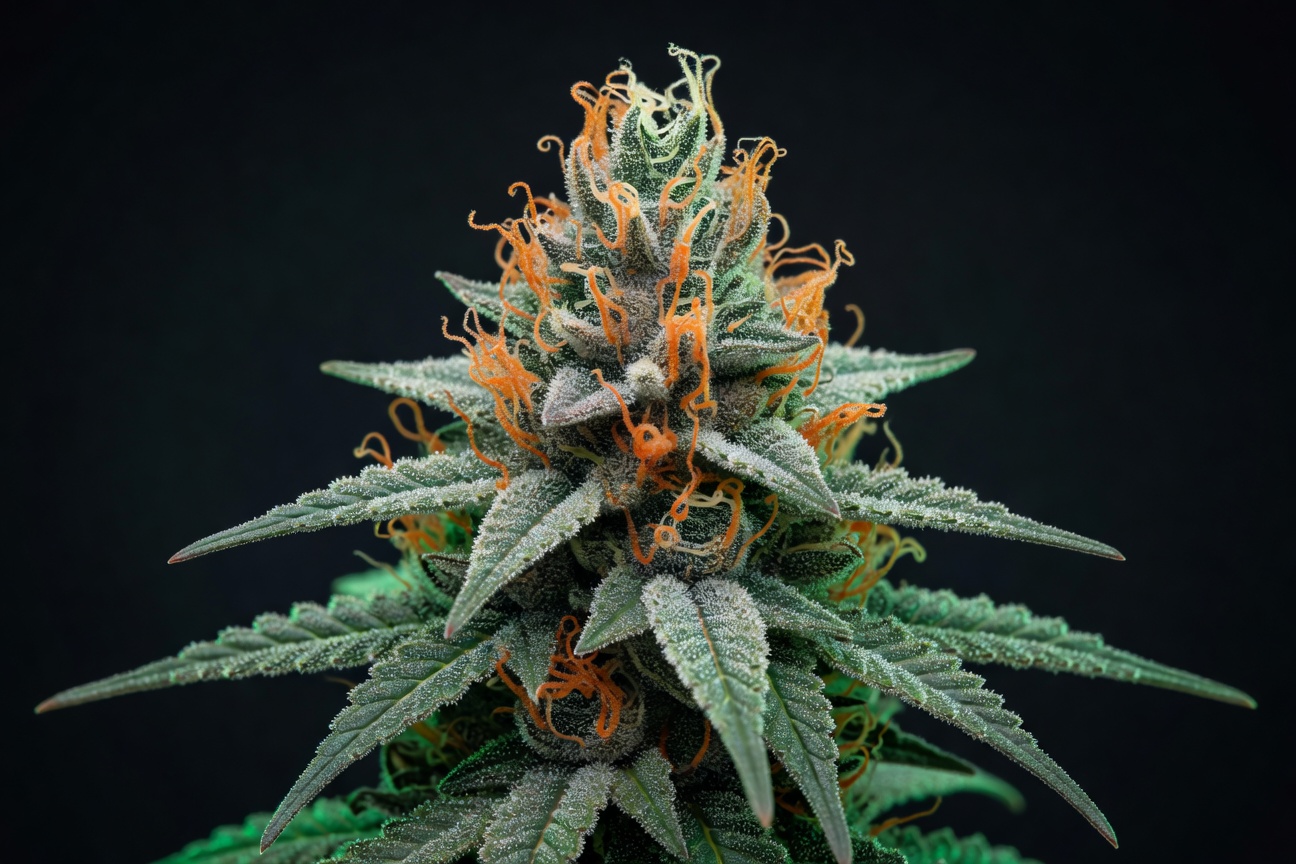
Delizie al Limone Cannabis Seeds by Cali Connection Seeds Delizie al Limone is one of the great cultivars from the Italian Ice Line created by experts at The Cali Connection. This strain boasts a remarkable yield and a robust central cola. Cloning this plant is a breeze, and it tends to grow laterally, resulting in a sturdy and abundant plant. Delizie al Limone responds well to various training techniques. Thanks to the exceptional yield of its parent strains, you can anticipate substantial and satisfying harvests. The aroma of Delizie al Limone is a delightful fusion of lemony notes with a subtle hint of hash, complemented by a complex and musky undertone of citrus. This bold fragrance lingers on the palate, leaving a pleasantly sweet and pungent taste. Furthermore, the extracts derived from this strain are particularly potent, owing to its high terpene content. Genetics: Wedding Cake x Italian Ice rvrsd Flowering Time: 9.5-10 weeks Aroma: Lemon, Hash, Musky Citrus, Flavour: Sweet, Pungent, Long Lasting, Yield: High
Where to Buy Seeds
We may earn a commission from purchases made through these links.
Frequently Asked Questions about Delizie Al Limone
Is Delizie Al Limone an Indica, Sativa, or Hybrid?
Delizie Al Limone is classified as a hybrid cannabis strain bred from a genetic cross of Lemon Alien Dawg × the Purps.
What cannabinoid content is reported for Delizie Al Limone?
Delizie Al Limone: 21% THC and 0.5% CBD reported in our data. The THC figure, when present, is the upper end of the reported range, not a typical measured dose. Potency can vary across harvests, phenotypes, and growing conditions.