THC
20.1–23.1%
CBD
0.4%
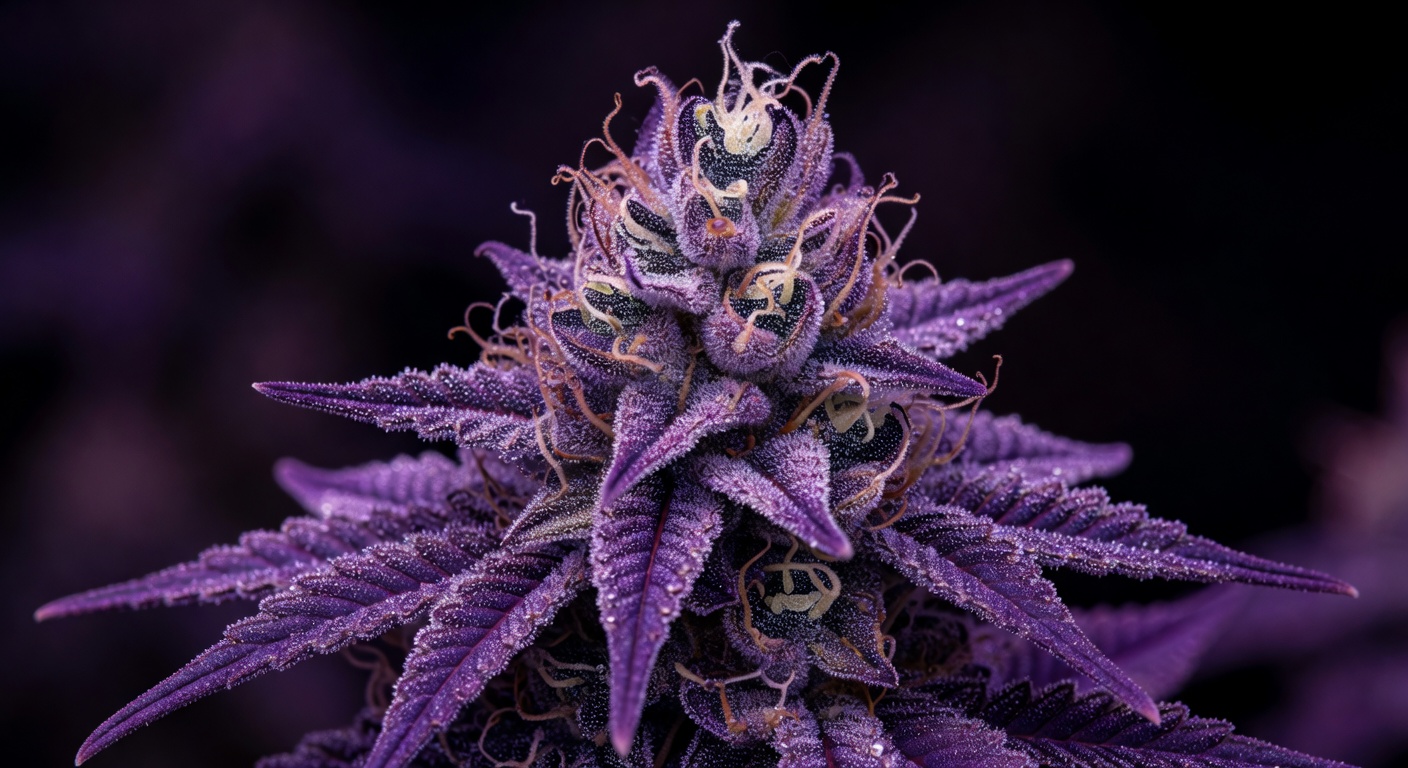
Double Purple Kush, a Bodhi Seeds indica, tests between 20 and 23 percent THC with an intensified purple theme.
No effect, terpene, flavor or medical-use data specific to Double Purple Kush has been published yet, so we don't guess. For what indica strains usually do, see the effects guide.
THC in this profile
23.1% THC
About Double Purple Kush
Bodhi Seeds offers Double Purple Kush as an indica testing between 20 and 23 percent THC, solidly potent territory that fits comfortably within what the breeder's catalog generally delivers. The doubled name suggests an intensified purple trait, layering emphasis onto a color and lineage theme that shows up across plenty of kush-family strains without necessarily confirming a specific documented genetic pairing behind the emphasis. As an indica, it should carry the compact, dense structure the category is broadly known for, an inference drawn from classification rather than a documented grow report specific to this cross. Bodhi Seeds has built a reputation around deep, often landrace-adjacent genetic work, and a name promising something doubled or intensified fits that pattern of a breeder unafraid to lean into a strain's most distinctive trait for its branding.
Where to Buy Seeds
We may earn a commission from purchases made through these links.
Frequently Asked Questions about Double Purple Kush
Is Double Purple Kush an Indica, Sativa, or Hybrid?
Double Purple Kush is classified as a indica cannabis strain.
What cannabinoid content is reported for Double Purple Kush?
Double Purple Kush: 23.1% THC and 0.4% CBD reported in our data. The THC figure, when present, is the upper end of the reported range, not a typical measured dose. Potency can vary across harvests, phenotypes, and growing conditions.
Similar Strains
Lotus Larry
HYBRIDTHC 22.2%
Aruba
HYBRIDTHC 19.3%
Malawi Gold
SATIVATHC 20.4%
Apollo 11 Genius Pheno F4
SATIVATHC 19%
Runtz Muffin
INDICATHC 29%
Cherry Kush
INDICATHC 27.02%
Black Larry Bird
INDICATHC 17.5%
Mazar-i-sharif
INDICATHC 1.27%