THC
16.4–19.7%
CBD
0.4%
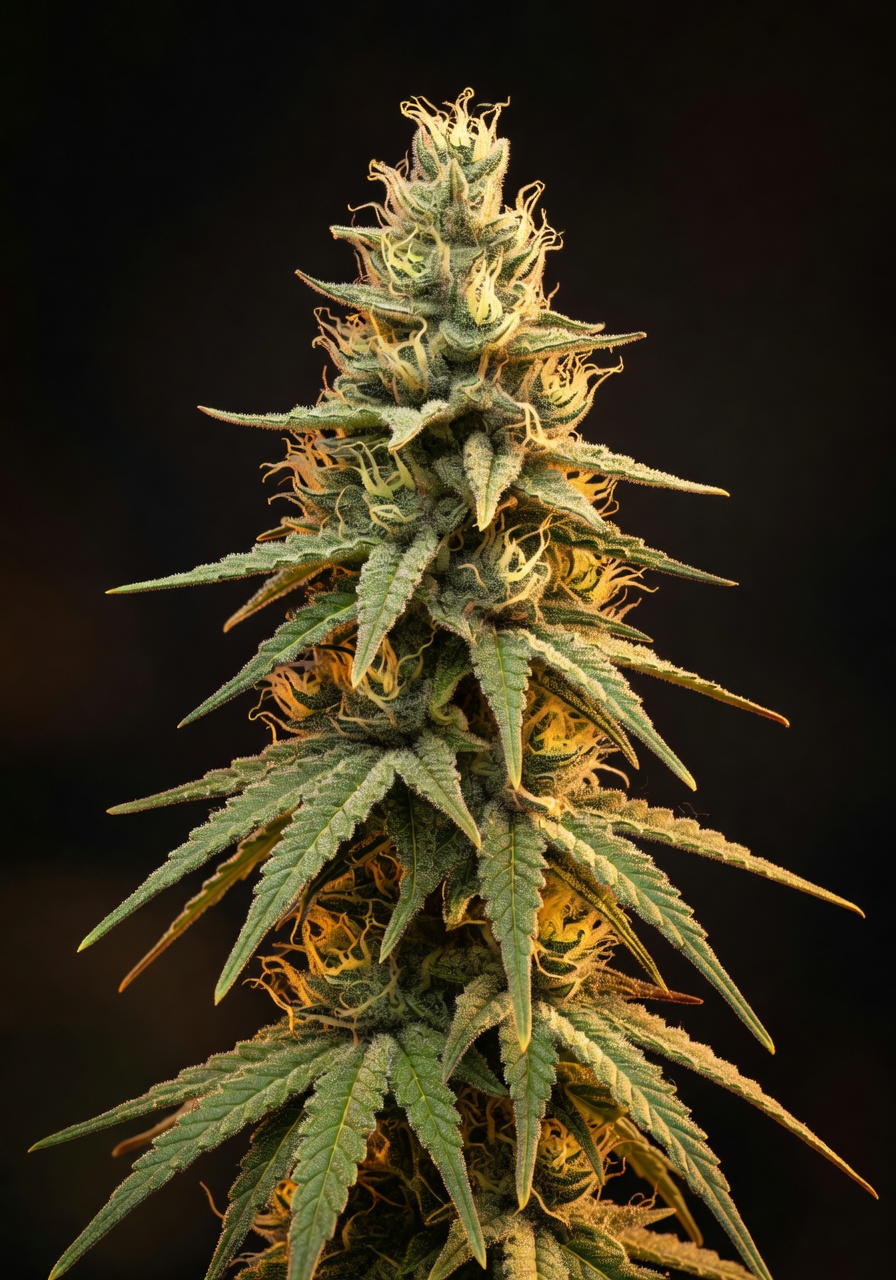
Himalaya Haze, from White Widow Web, tests 17-19% THC, a moderate sativa just under the usual 20% benchmark.
No effect, terpene, flavor or medical-use data specific to Himalaya Haze has been published yet, so we don't guess. For what sativa strains usually do, see the effects guide.
THC in this profile
19.7% THC
About Himalaya Haze
Himalaya Haze, listed under the breeder name White Widow Web, tests in the 17-19% THC range, landing just short of the 20% mark even at its strongest tested reading. The name pulls together two separate reference points, a Himalayan geographic nod and the classic Haze sativa lineage, without any documented cross actually connecting the two beyond the title itself. As a sativa, it fits the Haze family's broad reputation by classification, and the moderate spread between low and high THC results suggests fairly typical batch variation. The White Widow Web credit is a somewhat unusual breeder name to see attached to a Haze-branded sativa rather than a White Widow-branded one, which may simply reflect how that particular seed operation names its broader catalog rather than pointing to any real White Widow genetics in this specific cross. Just under 20% THC, Himalaya Haze reads as a solidly moderate sativa option.
Where to Buy Seeds
We may earn a commission from purchases made through these links.
Frequently Asked Questions about Himalaya Haze
Is Himalaya Haze an Indica, Sativa, or Hybrid?
Himalaya Haze is classified as a sativa cannabis strain.
What cannabinoid content is reported for Himalaya Haze?
Himalaya Haze: 19.7% THC and 0.4% CBD reported in our data. The THC figure, when present, is the upper end of the reported range, not a typical measured dose. Potency can vary across harvests, phenotypes, and growing conditions.