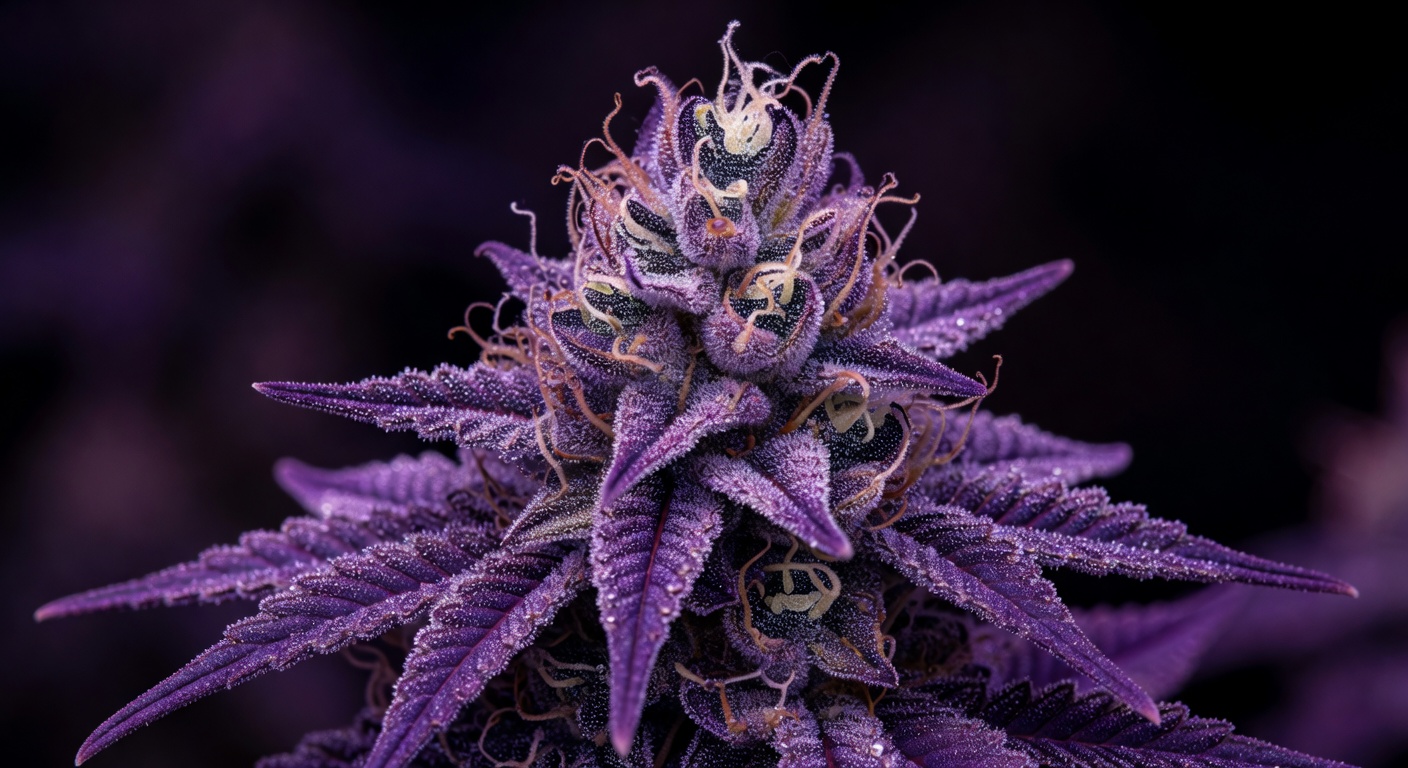
THC
16.4–19.6%
CBD
0.1%
James Runtz F crosses Rubans Runtz and ZBX into an indica-leaning hybrid from James Loud Genetics testing 16.4-19.6% THC.
Lineage
> JAMES RUNTZ (RUBANS RUNTZ X ZBX) If you’re looking for something that’s like Runtz, but not Runtz then this cross might be exactly what you’re looking for
Explore family tree →No effect, terpene, flavor or medical-use data specific to James Runtz F has been published yet, so we don't guess. For what indica strains usually do, see the effects guide.
THC in this profile
19.6% THC
Growing Information
Flowering Time
9–10 weeks
About James Runtz F
James Runtz crosses Rubans Runtz with ZBX, a pairing James Loud Genetics built to stand apart from the many other Runtz-branded crosses already circulating. That positioning shows up in the breeding choice itself: rather than leaning on one of Runtz's more common parent combinations, this one reaches for ZBX to create something related but distinct. Flowering takes 9 to 10 weeks, on the longer side, giving the plant time to fully express whatever the Rubans Runtz genetics bring to the cross. THC testing runs from 16.4% up to 19.6%, a solid moderate-to-strong range that keeps it competitive without claiming extreme potency. Runtz genetics broadly have become one of the most widely used building blocks in recent hybrid breeding, and picking ZBX as a second parent here suggests James Loud Genetics wanted a Runtz-adjacent plant with its own identity rather than another near-identical clone-only cross. The deliberate genetic choice behind the name and a patient flowering window are what define James Runtz here.
Where to Buy Seeds
We may earn a commission from purchases made through these links.
Frequently Asked Questions about James Runtz F
Is James Runtz F an Indica, Sativa, or Hybrid?
James Runtz F is classified as a indica cannabis strain.
What cannabinoid content is reported for James Runtz F?
James Runtz F: 19.6% THC and 0.1% CBD reported in our data. The THC figure, when present, is the upper end of the reported range, not a typical measured dose. Potency can vary across harvests, phenotypes, and growing conditions.