THC
18–25%
CBD
2%
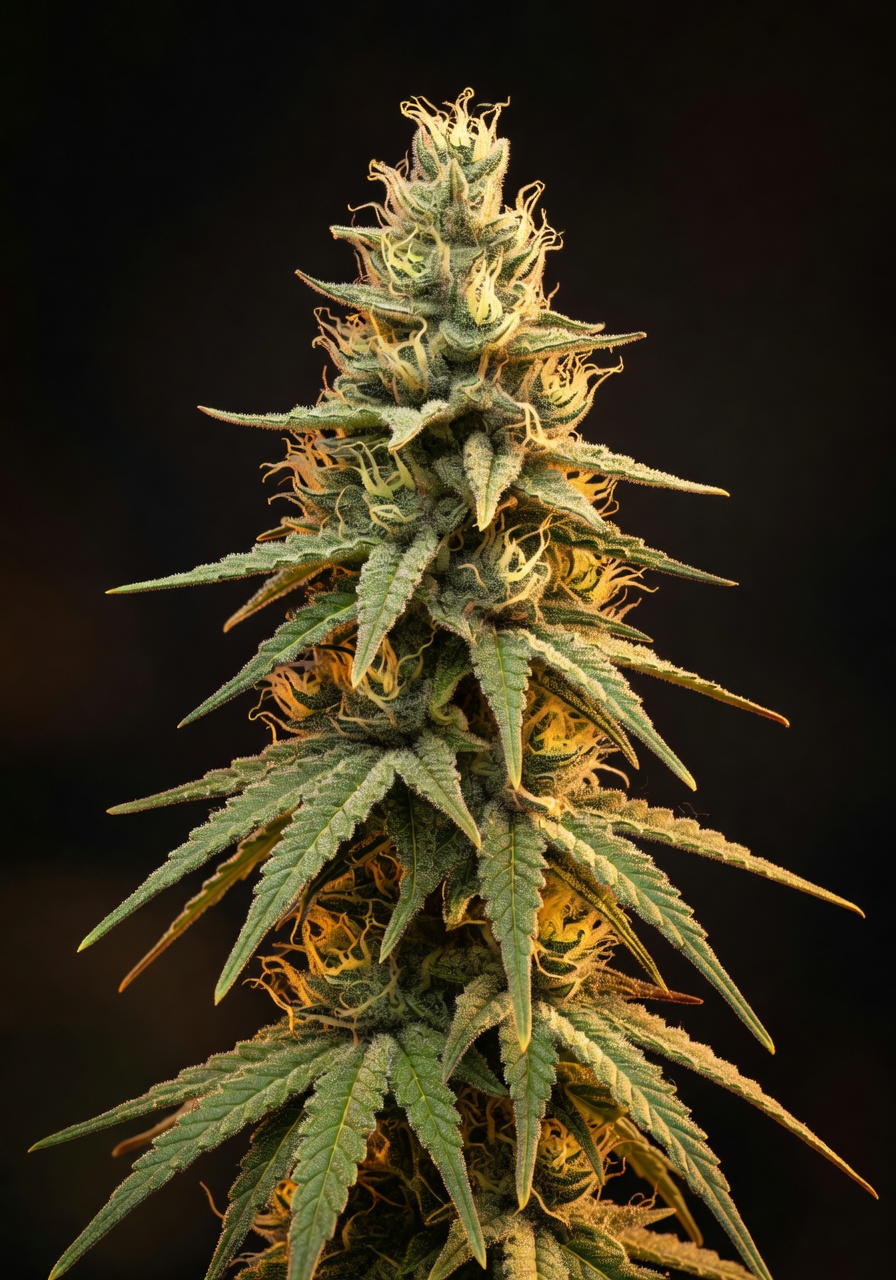
Macob Kush, Bradley Danks' sativa also known as Mkob or Mccobb, tests 18-25 percent THC with up to 2 percent CBD.
No effect, terpene, flavor or medical-use data specific to Macob Kush (aka: Mkob, Mccobb) has been published yet, so we don't guess. For what sativa strains usually do, see the effects guide.
THC in this profile
25% THC
About Macob Kush (aka: Mkob, Mccobb)
Also sold under the shorthand Mkob or Mccobb, this sativa from breeder Bradley Danks carries three names but one consistent lab profile: THC testing spans a wide 18 to 25 percent range, while CBD comes in at up to 2 percent, a small but notable addition for a sativa-leaning plant. That CBD presence, even at a modest ceiling, sets it apart from many high-THC sativas that carry none at all, suggesting a slightly rounder chemical profile than the THC number alone would imply. Flowering time, yield, and flavor for this particular cut remain undocumented, so growers are working from the cannabinoid sheet and the multiple aliases as their main reference points. For sativa fans curious about a strain that shows up under more than one name but backs it up with real lab numbers, Macob Kush is worth tracking down under whichever label turns up first.
Where to Buy Seeds
We may earn a commission from purchases made through these links.
Frequently Asked Questions about Macob Kush (aka: Mkob, Mccobb)
Is Macob Kush (aka: Mkob, Mccobb) an Indica, Sativa, or Hybrid?
Macob Kush (aka: Mkob, Mccobb) is classified as a sativa cannabis strain.
What cannabinoid content is reported for Macob Kush (aka: Mkob, Mccobb)?
Macob Kush (aka: Mkob, Mccobb): 25% THC and 2% CBD reported in our data. The THC figure, when present, is the upper end of the reported range, not a typical measured dose. Potency can vary across harvests, phenotypes, and growing conditions.