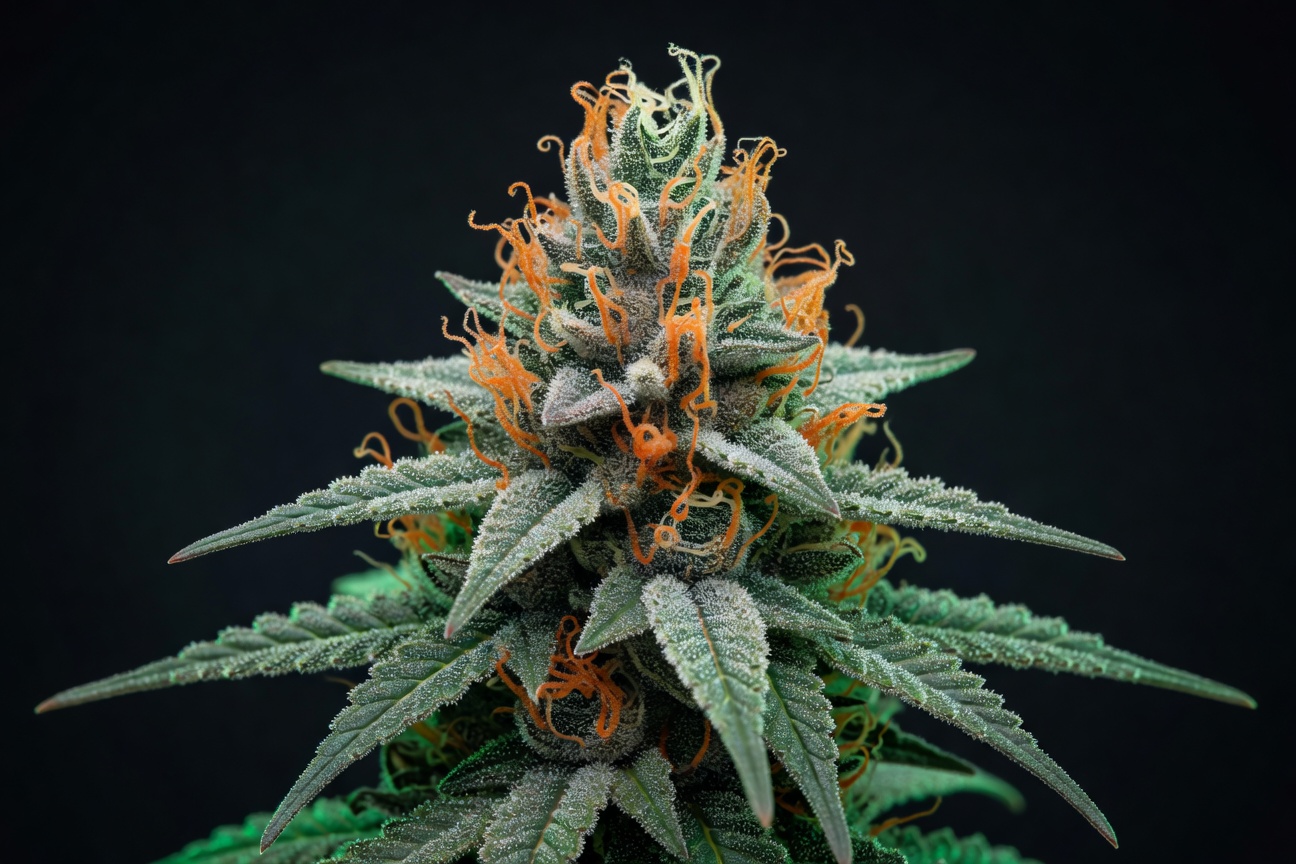
THC
19–22.8%
CBD
0.2%
Mammory Loss from Secret Society Seed Co. is a hybrid testing 19-22.8% THC with an eight to nine week flowering time.
No effect, terpene, flavor or medical-use data specific to Mammory Loss has been published yet, so we don't guess. For what hybrid strains usually do, see the effects guide.
THC in this profile
22.8% THC
Growing Information
Flowering Time
8–9 weeks
About Mammory Loss
Secret Society Seed Co. leans into dark humor with the name Mammory Loss, a hybrid testing between 19 and 22.8 percent THC that backs up its attention-grabbing branding with real potency. Flowering wraps up in eight to nine weeks, a standard timeline that fits comfortably into most hybrid grow schedules without demanding unusual patience. The breeder's name itself signals a catalog built around irreverent, memorable strain names rather than conventional branding, a strategy that tends to make individual releases easier to remember even without extensive documented histories. With THC comfortably above 19 percent, this is a potent option for growers who don't mind a strain name that draws a double take, and the manageable flowering window means it slots easily alongside faster-finishing hybrids in a mixed garden. For anyone browsing Secret Society Seed Co.'s catalog by strength rather than story, the numbers here hold up regardless of the joke in the name.
Where to Buy Seeds
We may earn a commission from purchases made through these links.
Frequently Asked Questions about Mammory Loss
Is Mammory Loss an Indica, Sativa, or Hybrid?
Mammory Loss is classified as a hybrid cannabis strain.
What cannabinoid content is reported for Mammory Loss?
Mammory Loss: 22.8% THC and 0.2% CBD reported in our data. The THC figure, when present, is the upper end of the reported range, not a typical measured dose. Potency can vary across harvests, phenotypes, and growing conditions.