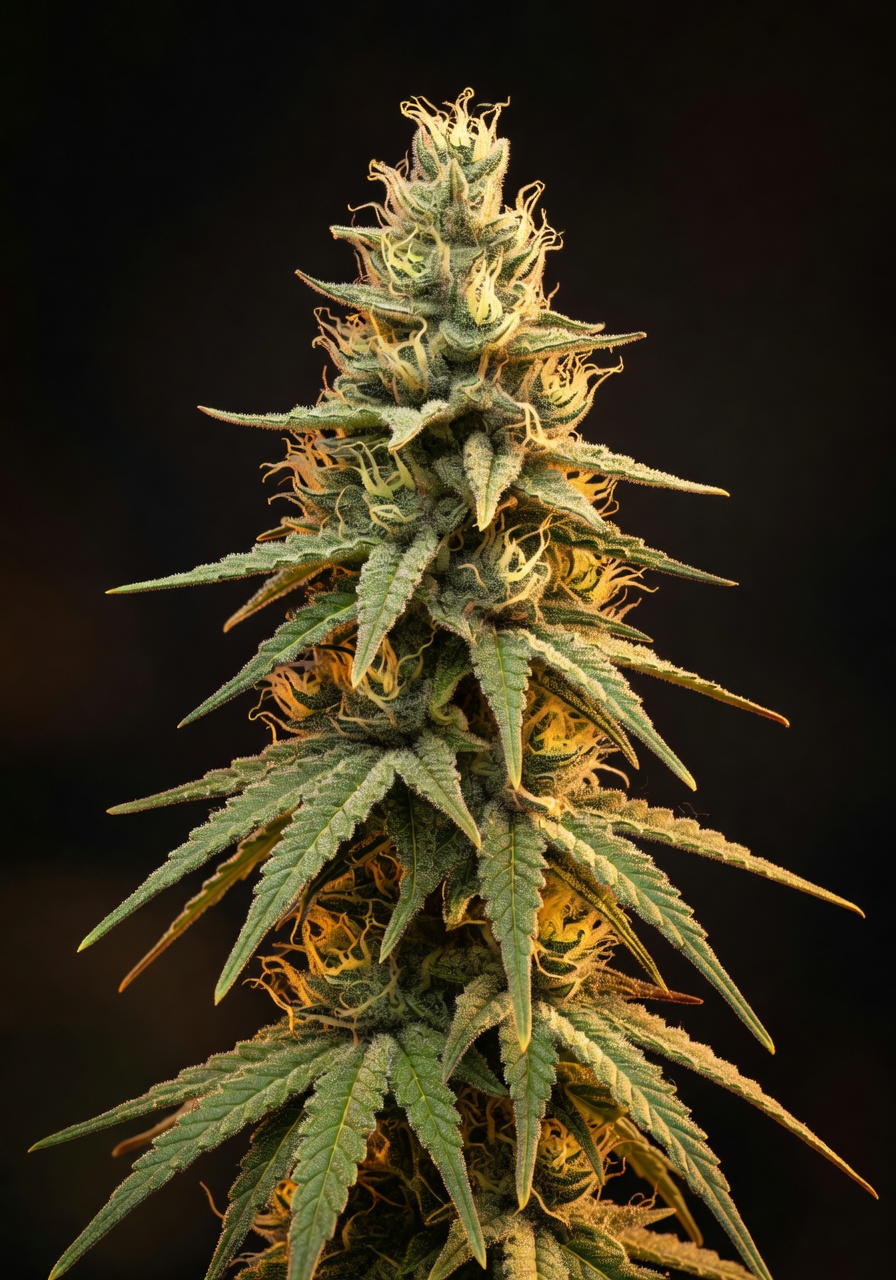
THC
12.2–15.9%
CBD
0.5%
Bangi Haze is a feminized Ace Seeds sativa with THC 12.2 to 15.9 percent and a 9-10 week flowering window.
No effect, terpene, flavor or medical-use data specific to New Bangi Haze F has been published yet, so we don't guess. For what sativa strains usually do, see the effects guide.
THC in this profile
15.9% THC
Growing Information
Flowering Time
9–10 weeks
About New Bangi Haze F
Bangi Haze, Ace Seeds' feminized sativa, keeps THC on the gentler end at 12.2 to 15.9 percent, while still asking for a patient 9-to-10-week flowering window typical of haze-type genetics. Ace Seeds has built a reputation around preserving landrace and heirloom-adjacent lines, and a name like Bangi hints at that kind of geographic origin story, though no specific lineage has actually been documented on this fact sheet to confirm it. The lower THC ceiling paired with a longer flowering time suggests a plant bred more for a nuanced, slow-building experience than for sheer potency, though without published flavor or effect notes, that remains an inference rather than a documented fact. No height or yield figures accompany the listing either. For growers drawn to long-season sativas with a modest but honest THC number, Bangi Haze fits that profile on paper.
Where to Buy Seeds
We may earn a commission from purchases made through these links.
Frequently Asked Questions about New Bangi Haze F
Is New Bangi Haze F an Indica, Sativa, or Hybrid?
New Bangi Haze F is classified as a sativa cannabis strain.
What cannabinoid content is reported for New Bangi Haze F?
New Bangi Haze F: 15.9% THC and 0.5% CBD reported in our data. The THC figure, when present, is the upper end of the reported range, not a typical measured dose. Potency can vary across harvests, phenotypes, and growing conditions.