THC
18.3–22.3%
CBD
0.3%
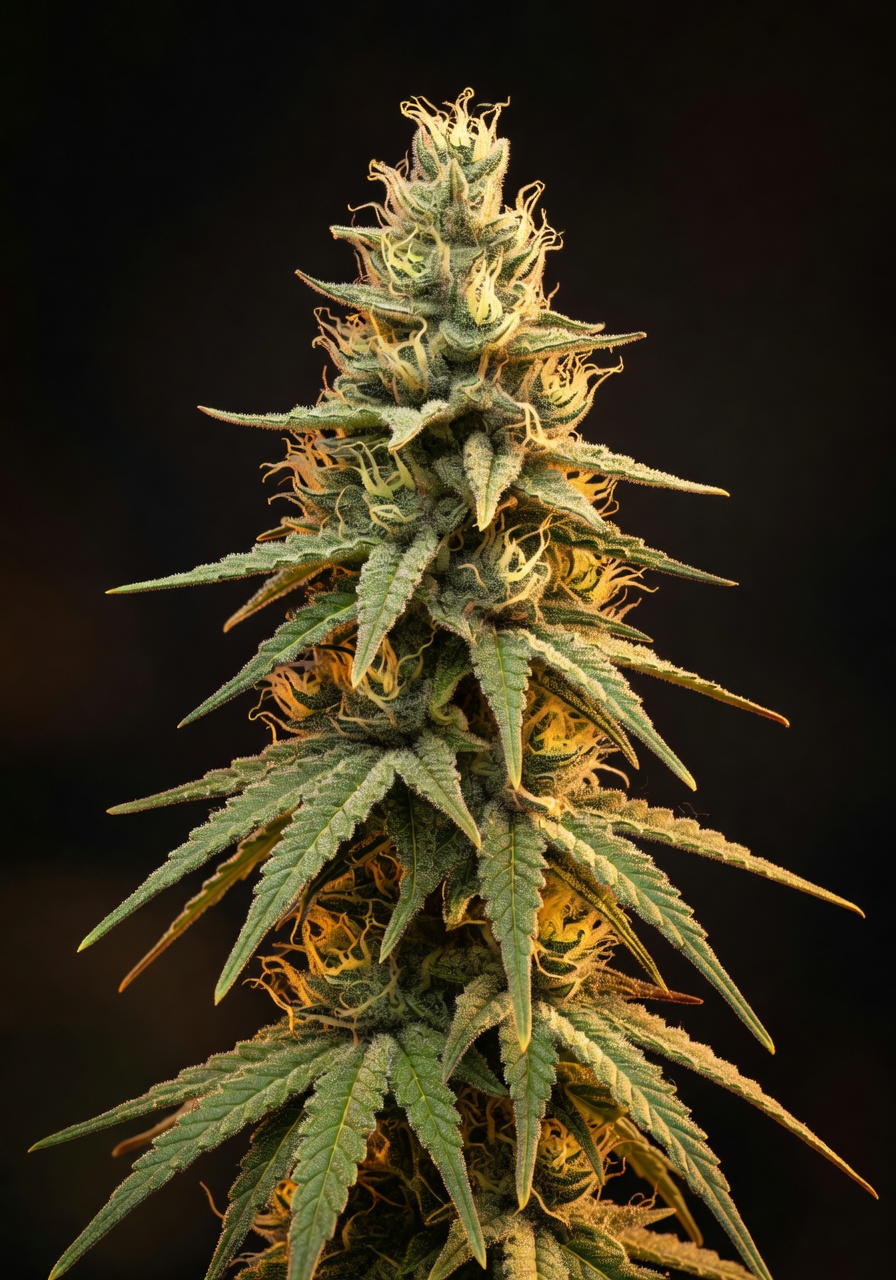
New Fugue State crosses Amnesia Haze BX1 with Walter White F5, an autoflowering sativa with THC reaching up to 22 percent.
Lineage
> FUGUE STATE AUTO (AMNESIA HAZE BX1 (ARCHIVE SEEDS) X WALTER WHITE F5) Project Introduction and Overview: Fugue State: A Mephisto Twist on a modern classic
Explore family tree →No effect, terpene, flavor or medical-use data specific to New Fugue State has been published yet, so we don't guess. For what sativa strains usually do, see the effects guide.
THC in this profile
22.3% THC
Growing Information
Flowering Time
10–11 weeks
About New Fugue State
New Fugue State is built from a cross of Amnesia Haze BX1 and Walter White F5, two lines with strong pedigrees in their own right, brought together by Mephisto Genetics Autos into an autoflowering sativa. THC runs as high as 22 percent, a genuinely potent figure for an auto-genetics cross, and flowering takes ten to eleven weeks, on the longer end for the category but consistent with a breeder prioritizing genetic depth over sheer speed. The backcrossed Amnesia Haze parent suggests an effort to stabilize desirable traits from that lineage across generations, while the Walter White F5 side brings its own five generations of selection into the mix. Whatever this cross tastes like, does, or helps with hasn't been written down publicly yet, and the same goes for its expected height and yield. For growers interested in the genetic story behind an auto, the parentage here is more detailed than most, even without the sensory picture filled in.
Where to Buy Seeds
We may earn a commission from purchases made through these links.
Frequently Asked Questions about New Fugue State
Is New Fugue State an Indica, Sativa, or Hybrid?
New Fugue State is classified as a sativa cannabis strain bred from a genetic cross of Amnesia Haze BX1 × Walter White F5.
What cannabinoid content is reported for New Fugue State?
New Fugue State: 22.3% THC and 0.3% CBD reported in our data. The THC figure, when present, is the upper end of the reported range, not a typical measured dose. Potency can vary across harvests, phenotypes, and growing conditions.