THC
17.8–21.6%
CBD
0.5%
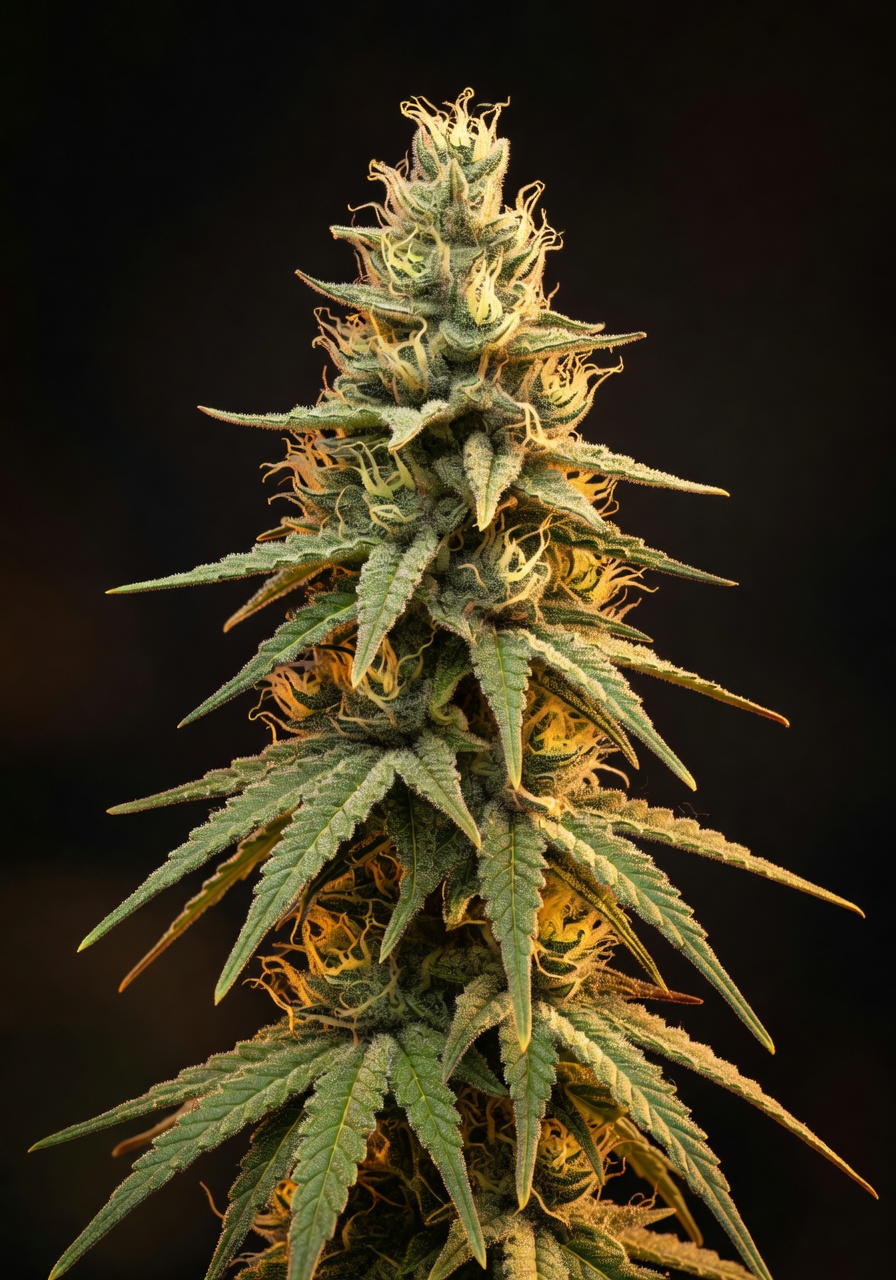
New Super Malawi Haze is a sativa from Ace Seeds testing between 18 and 21 percent THC.
Lineage
ing a Nevil's Haze mother plant selected by Neville himself in the late 80’s with our best Malawi Killer phenotypes
Explore family tree →No effect, terpene, flavor or medical-use data specific to New Super Malawi Haze has been published yet, so we don't guess. For what sativa strains usually do, see the effects guide.
THC in this profile
21.6% THC
About New Super Malawi Haze
Ace Seeds has spent years working with landrace and heirloom genetics sourced from specific regions around the world, and New Super Malawi Haze carries that same focus in its name, pointing toward African haze heritage. What is confirmed is a THC range of 18 to 21 percent, a strong result for a sativa and notably higher than many older landrace lines have historically tested, which often sat in the single digits before decades of selective breeding pushed numbers upward across the category. For sativa growers drawn specifically to heritage genetics rather than modern high-THC hybrids, that combination, an evocative regional name backed by genuinely strong lab figures, makes this one stand out from Ace Seeds' broader catalog.
Where to Buy Seeds
We may earn a commission from purchases made through these links.
Frequently Asked Questions about New Super Malawi Haze
Is New Super Malawi Haze an Indica, Sativa, or Hybrid?
New Super Malawi Haze is classified as a sativa cannabis strain.
What cannabinoid content is reported for New Super Malawi Haze?
New Super Malawi Haze: 21.6% THC and 0.5% CBD reported in our data. The THC figure, when present, is the upper end of the reported range, not a typical measured dose. Potency can vary across harvests, phenotypes, and growing conditions.
Similar Strains
New Malawi Killer x ErdPurt
SATIVATHC 21%
New Purple Pakistani Haze F Limited
SATIVATHC 15.6%
New Violeta
HYBRIDTHC 18.2%
Morocco Beldia Kif R
SATIVATHC 15%
Limoncello
SATIVATHC 27%
Strawberry
SATIVATHC 13.72%
Ultra White Amnesia
SATIVATHC 16.1%
Spliffs Strawberry
SATIVATHC 17.6%