THC
16.6–19.5%
CBD
0.4%
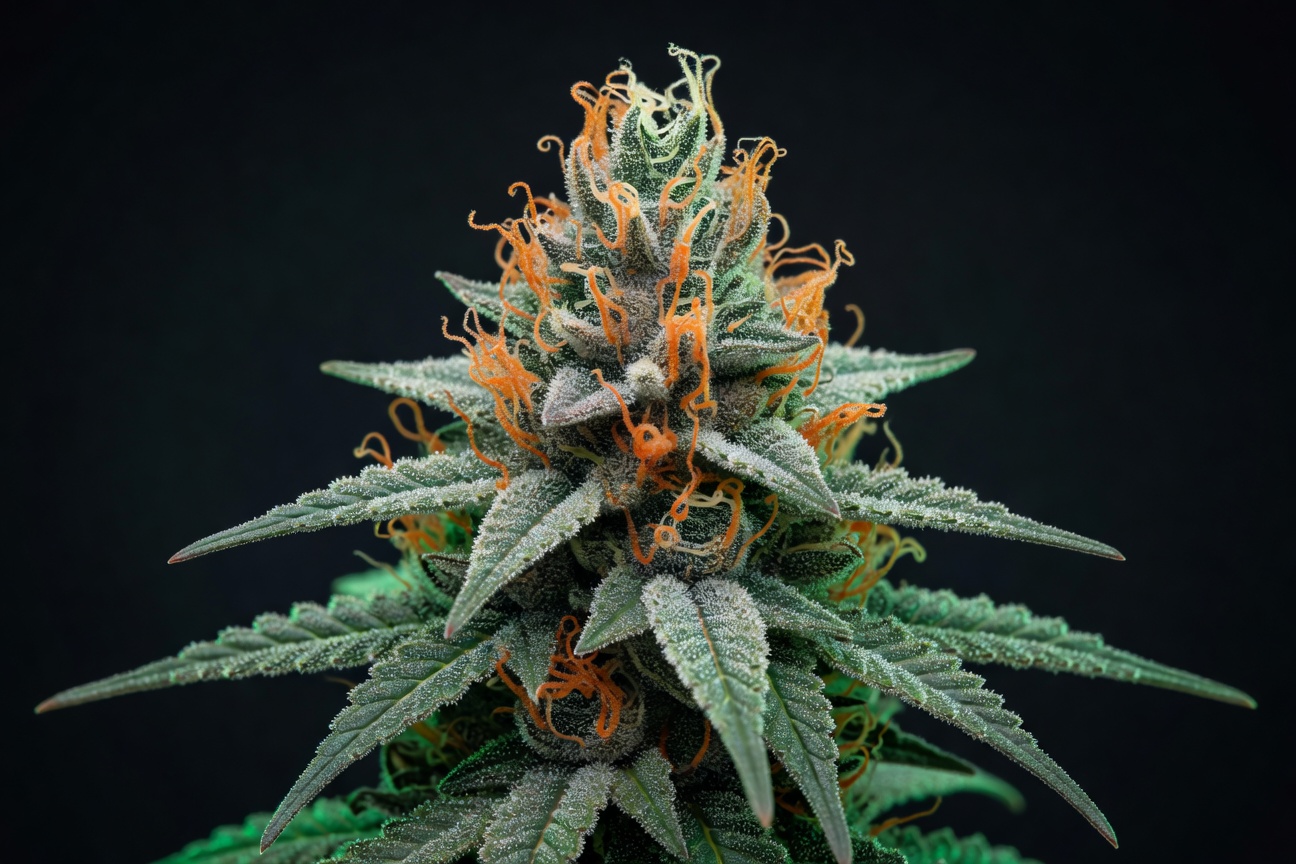
Northern Lights #5 x Skunk No. 1 is a hybrid cannabis strain by Seed Bank with up to 19.5% THC. Known for its balanced effects combining body relaxation and mental uplift.
No effect, terpene, flavor or medical-use data specific to Northern Lights #5 x Skunk No. 1 has been published yet, so we don't guess. For what hybrid strains usually do, see the effects guide.
THC in this profile
19.5% THC
About Northern Lights #5 x Skunk No. 1
This hybrid strain, born from the classic cross of Northern Lights #5 and Skunk No. 1 by Seed Bank, delivers a balanced blend of creative and euphoric vibes that can lift your spirits while easing you into a relaxed state, making it a go-to for unwinding after a long day. With a moderate THC level of 19.5%, it's potent enough to provide solid relief from anxiety, depression, pain, and stress without overwhelming beginners. Dominant terpenes like myrcene, caryophyllene, and limonene contribute to its earthy, pungent, and skunky flavor profile, which adds a nostalgic punch to every puff, highlighting why this strain remains a favorite among those seeking a creative boost with grounding effects.
Where to Buy Seeds
We may earn a commission from purchases made through these links.
Frequently Asked Questions about Northern Lights #5 x Skunk No. 1
Is Northern Lights #5 x Skunk No. 1 an Indica, Sativa, or Hybrid?
Northern Lights #5 x Skunk No. 1 is classified as a hybrid cannabis strain bred from a genetic cross of Northern Lights #5 × Skunk No.
What cannabinoid content is reported for Northern Lights #5 x Skunk No. 1?
Northern Lights #5 x Skunk No. 1: 19.5% THC and 0.4% CBD reported in our data. The THC figure, when present, is the upper end of the reported range, not a typical measured dose. Potency can vary across harvests, phenotypes, and growing conditions.