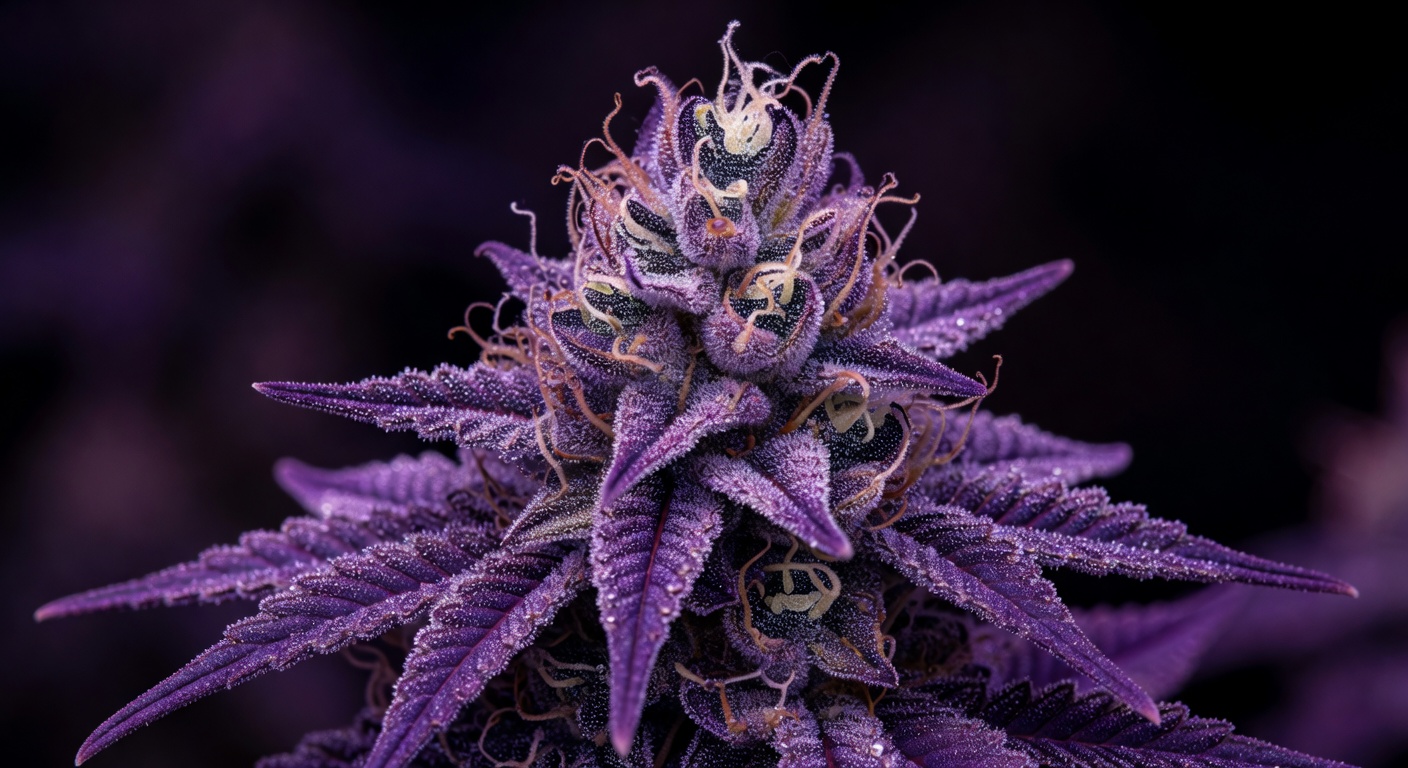
Northern Lights x Cinderella 99 Tester F
PopularSeeds by Brothers Grimm Seeds
THC
15.1–17.7%
CBD
0.5%
This Brothers Grimm tester traces to 1990s Northern Lights x Haze stock, an indica testing 15.1 to 17.7 percent THC.
Lineage
were F2 Northern Lights x Haze seeds, open pollinated from F1 seeds from Sensi Seeds in the early 1990s
Explore family tree →No effect, terpene, flavor or medical-use data specific to Northern Lights x Cinderella 99 Tester F has been published yet, so we don't guess. For what indica strains usually do, see the effects guide.
THC in this profile
17.7% THC
About Northern Lights x Cinderella 99 Tester F
This tester line from Brothers Grimm Seeds traces to F2 Northern Lights x Haze seeds, open-pollinated from F1 stock that originated with Sensi Seeds back in the early 1990s -- a lineage with real history behind it rather than a recent hybridization. THC on this indica-leaning cut tests between 15.1 and 17.7 percent, a moderate range that fits comfortably within older, less potency-driven breeding lines from that era. No flowering time has been published for this specific tester. No entries exist yet for its height, yield, difficulty, flavor, or effect, leaving genetics and history to carry the profile alone. What stands out most is the pedigree itself: a decades-old Northern Lights and Haze cross carried forward through open pollination, offered here as a tester batch rather than a fully finished commercial release.
Where to Buy Seeds
We may earn a commission from purchases made through these links.
Frequently Asked Questions about Northern Lights x Cinderella 99 Tester F
Is Northern Lights x Cinderella 99 Tester F an Indica, Sativa, or Hybrid?
Northern Lights x Cinderella 99 Tester F is classified as a indica cannabis strain.
What cannabinoid content is reported for Northern Lights x Cinderella 99 Tester F?
Northern Lights x Cinderella 99 Tester F: 17.7% THC and 0.5% CBD reported in our data. The THC figure, when present, is the upper end of the reported range, not a typical measured dose. Potency can vary across harvests, phenotypes, and growing conditions.