THC
15.9–18.6%
CBD
0.4%
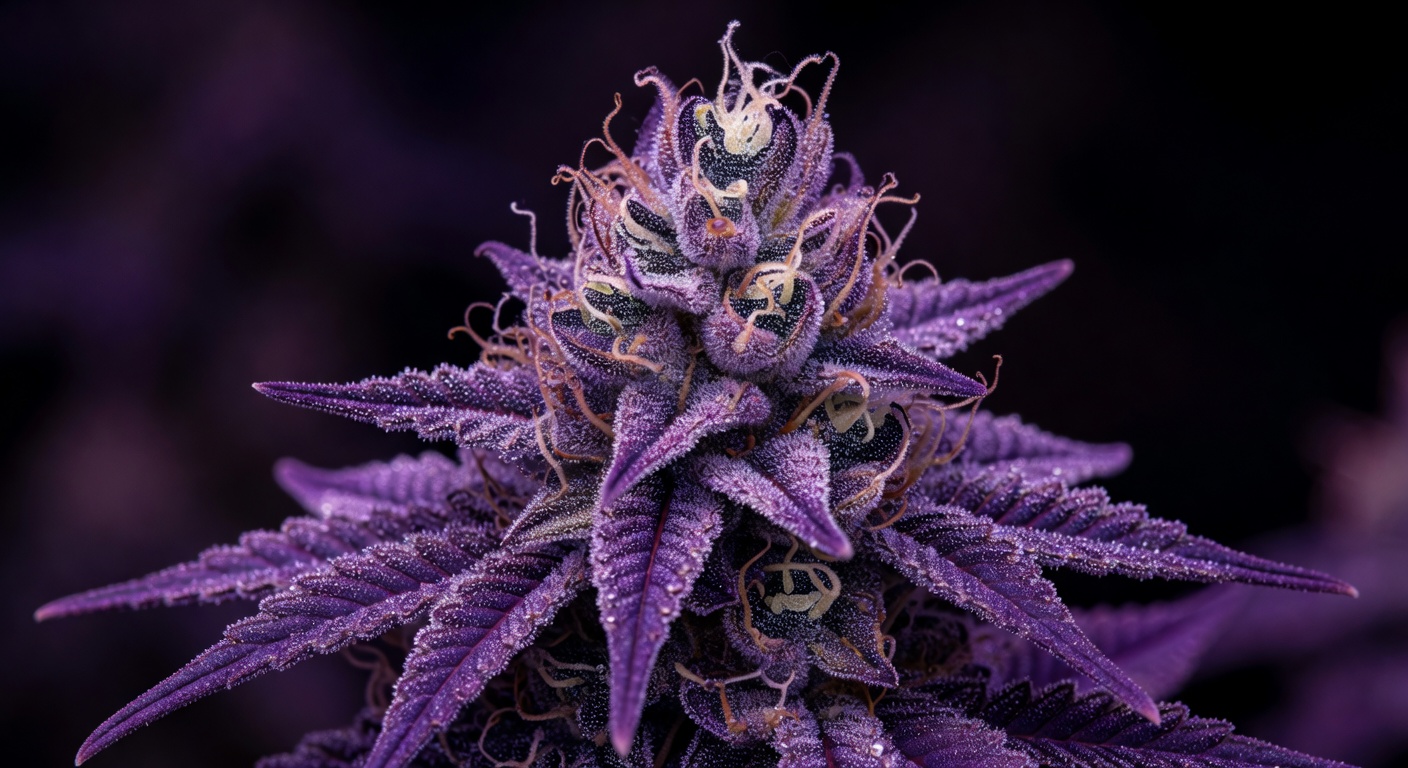
Oakland Grape Ape F is Purple Caper Seeds' feminized Grape Ape indica testing 16-18% THC.
No effect, terpene, flavor or medical-use data specific to Oakland Grape Ape F has been published yet, so we don't guess. For what indica strains usually do, see the effects guide.
THC in this profile
18.6% THC
About Oakland Grape Ape F
Purple Caper Seeds offers this feminized indica take on the Grape Ape line, a name long associated with deep purple coloration and heavy-bodied genetics across the broader cannabis market. THC testing places it between 16 and 18 percent, a moderate-to-solid range rather than an extreme one. The Oakland tag on this release points to a specific regional cut or phenotype selection rather than a generic reissue of the Grape Ape name, suggesting a lineage story tied to a particular growing community. Purple Caper has built its catalog around West Coast-leaning indica and hybrid selections, and this release fits that pattern, leaning on regional pedigree as much as raw numbers. For indica fans drawn to the Grape Ape name specifically, and interested in a feminized version tied to an Oakland-specific lineage, this cut offers a documented potency range as a solid reference point.
Where to Buy Seeds
We may earn a commission from purchases made through these links.
Frequently Asked Questions about Oakland Grape Ape F
Is Oakland Grape Ape F an Indica, Sativa, or Hybrid?
Oakland Grape Ape F is classified as a indica cannabis strain.
What cannabinoid content is reported for Oakland Grape Ape F?
Oakland Grape Ape F: 18.6% THC and 0.4% CBD reported in our data. The THC figure, when present, is the upper end of the reported range, not a typical measured dose. Potency can vary across harvests, phenotypes, and growing conditions.