THC
19%
CBD
0.6%
Papayas and Raspberries is a sativa from Purple Caper Seeds with THC testing up to approximately 19%.
No effect, terpene, flavor or medical-use data specific to Papayas and Raspberries R has been published yet, so we don't guess. For what sativa strains usually do, see the effects guide.
THC in this profile
19% THC
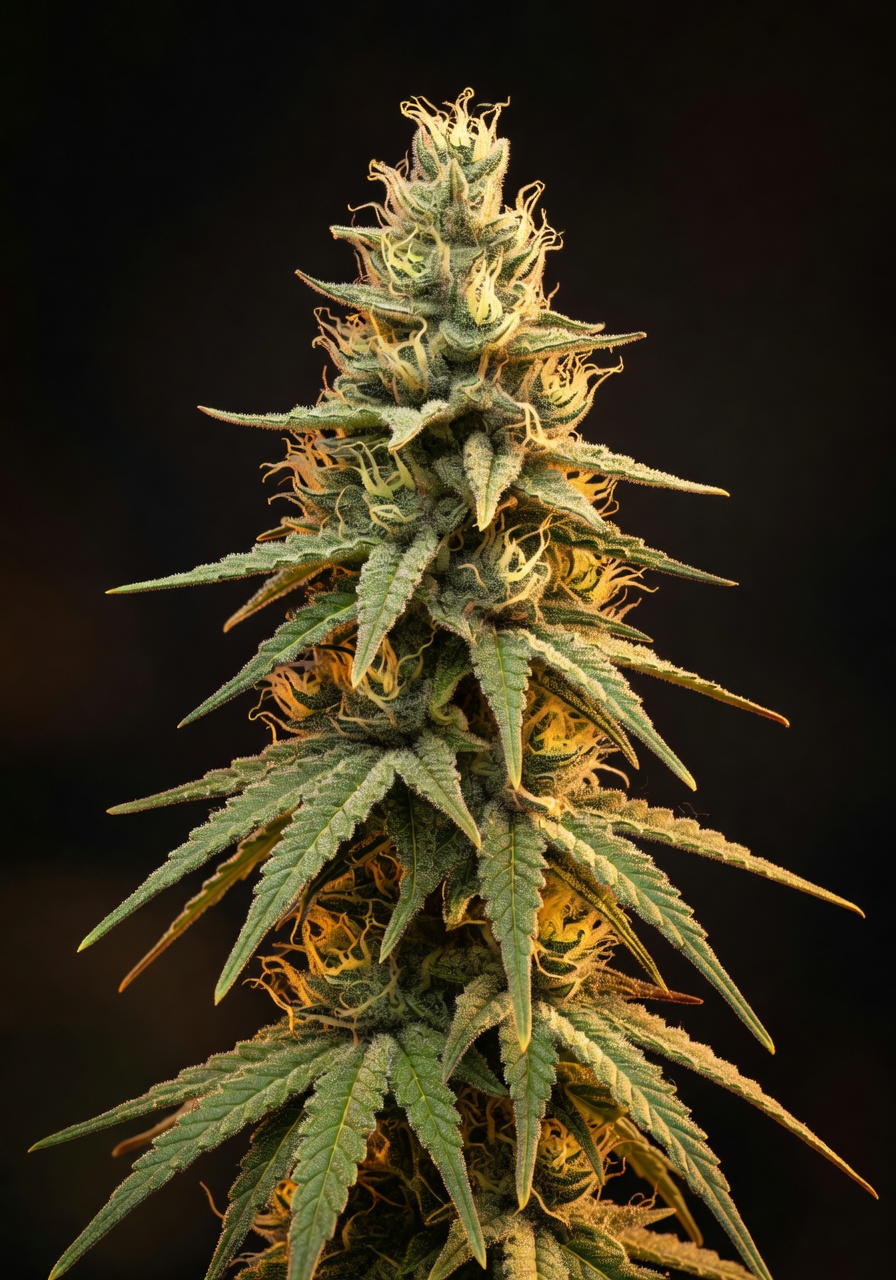
About Papayas and Raspberries R
Papayas and Raspberries takes its name from a fruit-forward pairing, and Purple Caper Seeds offers this sativa with THC testing up to 19%, a strong but not extreme figure for the type. No flowering time, height, or yield numbers were part of the listing, and effects, flavors, and terpenes haven't been documented for this specific version either, so the name itself is the biggest clue to what growers might expect from it eventually. Sativa genetics named for tropical and berry fruit are often bred with aromatic ambitions in mind, even when the lab hasn't caught up with formal terpene testing yet. With a THC ceiling just under 20%, this is a strain that promises real potency once more complete grow reports and sensory notes become available, but for now the numbers on hand are limited to that single figure.
Where to Buy Seeds
We may earn a commission from purchases made through these links.
Frequently Asked Questions about Papayas and Raspberries R
Is Papayas and Raspberries R an Indica, Sativa, or Hybrid?
Papayas and Raspberries R is classified as a sativa cannabis strain.
What cannabinoid content is reported for Papayas and Raspberries R?
Papayas and Raspberries R: 19% THC and 0.6% CBD reported in our data. The THC figure, when present, is the upper end of the reported range, not a typical measured dose. Potency can vary across harvests, phenotypes, and growing conditions.
Similar Strains
Black Queen Cookies Fem
HYBRIDTHC 22.8%
Grand Chocolate F
HYBRIDTHC 21%
Alpha Skunk Cheese F
HYBRIDTHC 19%
Lunar Skunk F
HYBRIDTHC 18%
Animal Cookies x Hindu Strain Feminized Seeds 2
SATIVATHC 13%
White Durban
SATIVATHC 18.9%
Blue Amnesia Haze
SATIVATHC 18.6%
Willy G's Lebanese
SATIVATHC 24%