THC
19.1–22%
CBD
0.5%
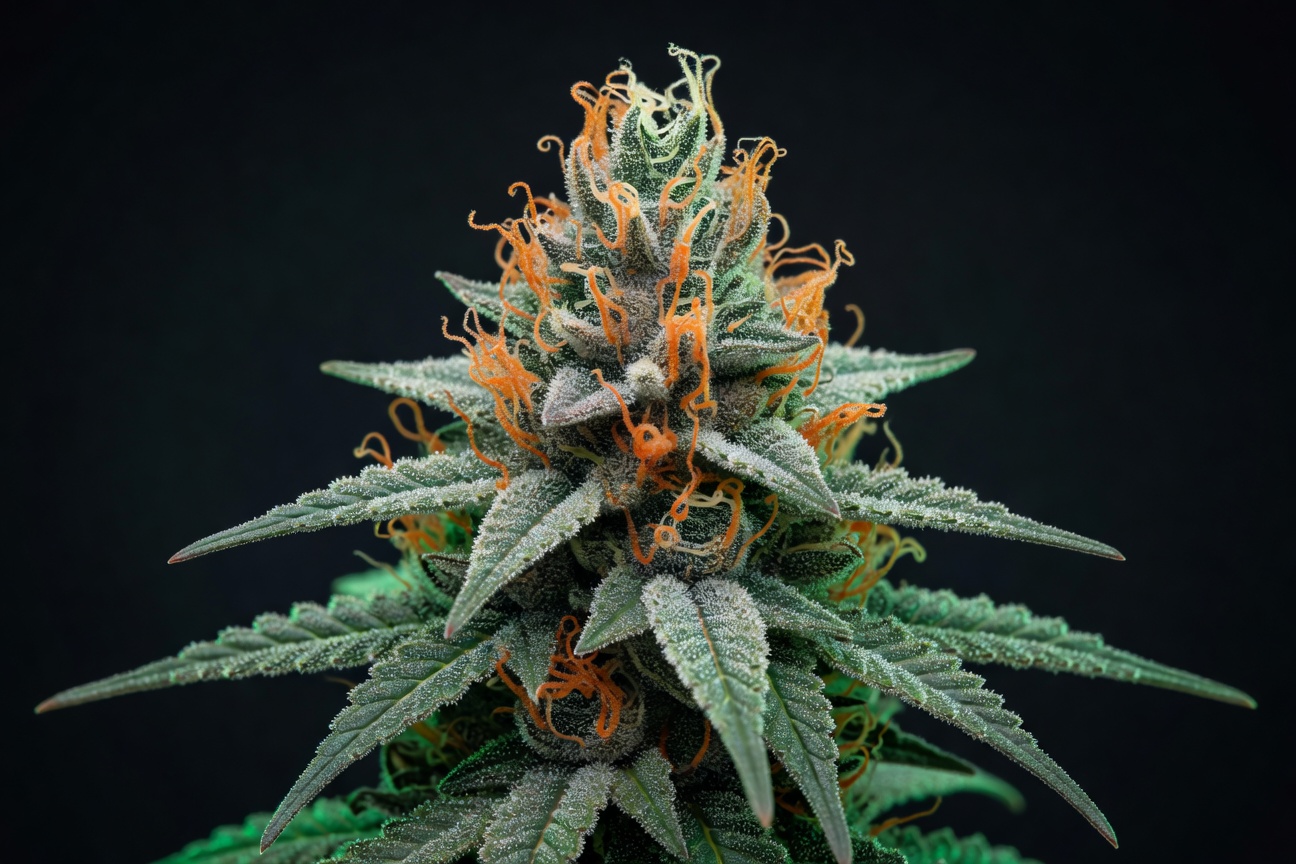
Pineapple Madness is a hybrid from The Grateful Seeds testing around 20 to 22 percent THC, solidly upper-tier potency.
No effect, terpene, flavor or medical-use data specific to Pineapple Madness has been published yet, so we don't guess. For what hybrid strains usually do, see the effects guide.
THC in this profile
22% THC
About Pineapple Madness
The Grateful Seeds lists Pineapple Madness as a hybrid with THC testing around 20 to 22 percent, a range that clears the 20 percent mark and lands this cultivar solidly in today's competitive upper-middle potency tier. The tropical fruit name doesn't come with any confirmed flavor or terpene data yet, so it stands as a naming choice rather than a documented trait for now. What's on record is the hybrid classification, that THC window, and The Grateful Seeds listing behind it. No flowering time, height, or yield figures have been published either, leaving the cultivation side of Pineapple Madness's profile open for future updates. A range sitting at 20 to 22 percent is a meaningful step up from the mid-teens numbers common just a few years back, and it places this hybrid among options that can genuinely compete on potency even without a fuller documented backstory yet.
Where to Buy Seeds
We may earn a commission from purchases made through these links.
Frequently Asked Questions about Pineapple Madness
Is Pineapple Madness an Indica, Sativa, or Hybrid?
Pineapple Madness is classified as a hybrid cannabis strain.
What cannabinoid content is reported for Pineapple Madness?
Pineapple Madness: 22% THC and 0.5% CBD reported in our data. The THC figure, when present, is the upper end of the reported range, not a typical measured dose. Potency can vary across harvests, phenotypes, and growing conditions.