THC
17.8–21.8%
CBD
0.2%
Rasputin IBL, an inbred hybrid line from Crazy X Seeds built for genetic stability, tests between 18 and 22 percent THC.
No effect, terpene, flavor or medical-use data specific to Rasputin Ibl has been published yet, so we don't guess. For what hybrid strains usually do, see the effects guide.
THC in this profile
21.8% THC
About Rasputin Ibl
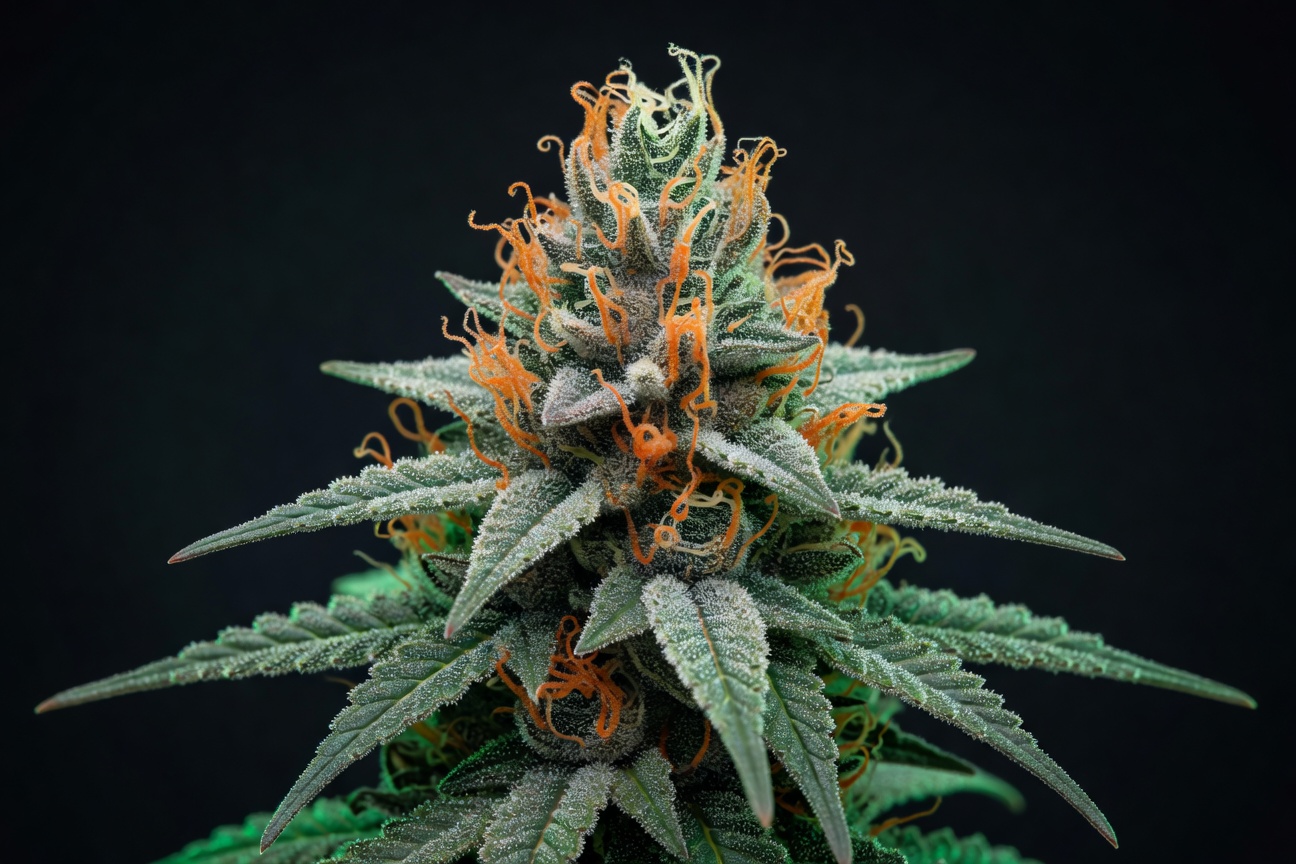
Crazy X Seeds put together this inbred hybrid line specifically to lock in a consistent genetic expression, the kind of stabilizing work that usually comes before a strain gets a bigger commercial push. Lab numbers land between 18 and 22 percent THC, a comfortably potent range without tipping into the extremes some modern crosses chase. As a hybrid, Rasputin IBL draws from both indica and sativa influence rather than leaning hard toward one side, which tends to produce more variation between individual plants than a heavily selected pure line would show. The IBL designation itself signals patience on the breeder's part: repeated selfing to fix traits generation over generation rather than rushing a cross to market. For growers who care more about genetic stability than flashy branding, that kind of groundwork is often the more interesting story than the THC number alone, even if it's the number that shows up first on the label.
Where to Buy Seeds
We may earn a commission from purchases made through these links.
Frequently Asked Questions about Rasputin Ibl
Is Rasputin Ibl an Indica, Sativa, or Hybrid?
Rasputin Ibl is classified as a hybrid cannabis strain.
What cannabinoid content is reported for Rasputin Ibl?
Rasputin Ibl: 21.8% THC and 0.2% CBD reported in our data. The THC figure, when present, is the upper end of the reported range, not a typical measured dose. Potency can vary across harvests, phenotypes, and growing conditions.