THC
22%
CBD
0.5%
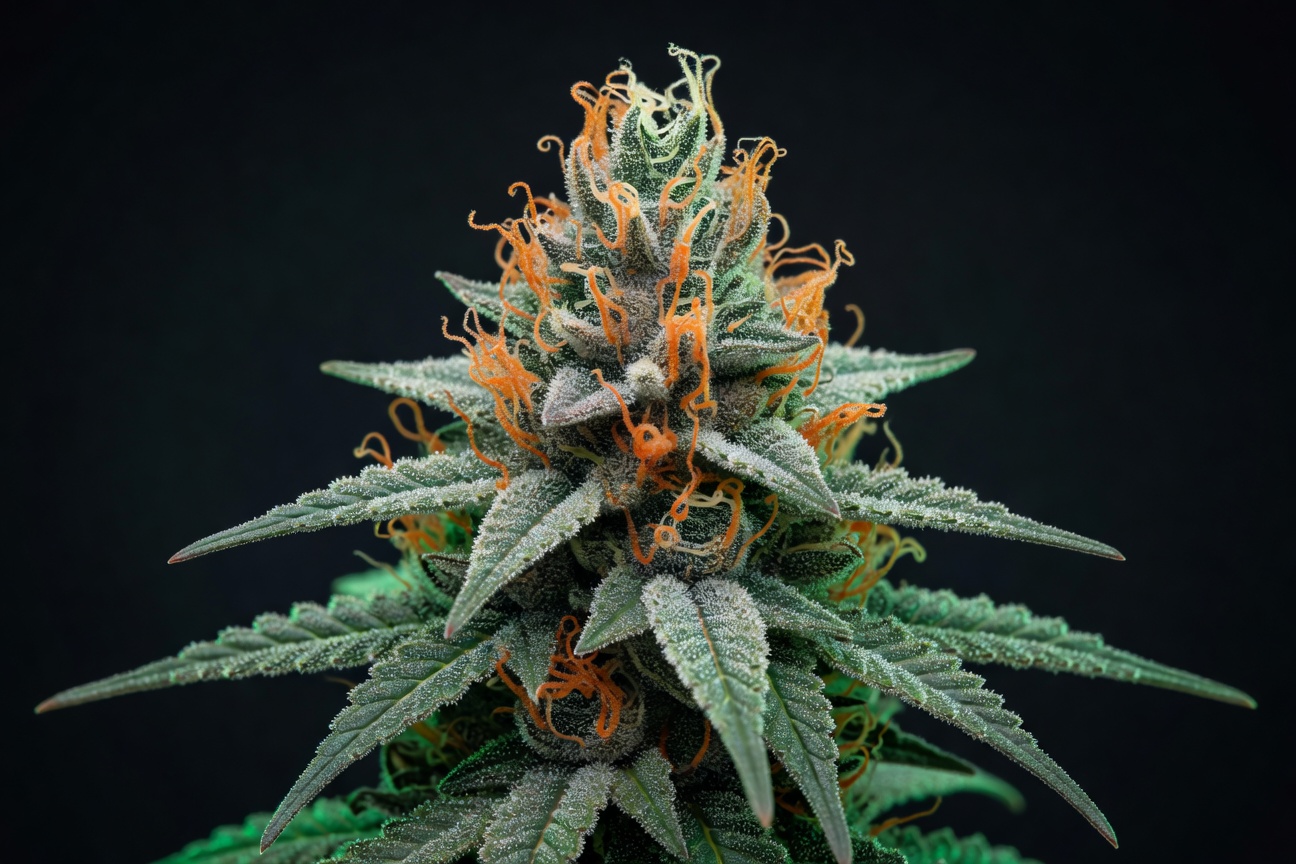
Red Lotus combines exotic genetics for vibrant, resin-heavy buds and a relaxing, euphoric experience.
No effect, terpene, flavor or medical-use data specific to Red Lotus has been published yet, so we don't guess. For what hybrid strains usually do, see the effects guide.
THC in this profile
22% THC
Growing Information
Flowering Time
9–9 weeks
About Red Lotus
Red Opal Cannabis Seeds by Conscious Genetics Red Lotus combines the exotic allure of Red Kachina 2.0 with the legendary funk of Shoreline, creating a hybrid that excels in looks, aroma, and effects. Growers can expect vibrant, resin-heavy buds that blend deep purples, lush greens, and striking magenta tones—a true kaleidoscope of colour. The nose is a sensory overload: sweet tropical fruit collides with Shoreline's unmistakable skunky-floral funk, rounded out by earthy citrus and a whisper of gas. Its flavour is just as bold, with layered notes that shift from sweet and zesty to musky and pungent. Balanced effects make Red Lotus shine. The head high is euphoric and uplifting, ideal for creativity and social flow, while the body buzz remains grounding and soothing without sedation. This harmony of energy and calm makes it a versatile choice for both day and night. Red Lotus isn't just another hybrid—it's proof of how unique pairings can redefine expectations, delivering top-tier aesthetics, a rich terpene profile, and effects that hit the sweet spot between focus and relaxation. Genetics: Red kachina 2.0 X Shoreline Type: Sativa - Indica Flowering Time: 9 weeks Height: Medium to tall Yield: Average to above average
Where to Buy Seeds
We may earn a commission from purchases made through these links.
Frequently Asked Questions about Red Lotus
Is Red Lotus an Indica, Sativa, or Hybrid?
Red Lotus is classified as a hybrid cannabis strain.
What cannabinoid content is reported for Red Lotus?
Red Lotus: 22% THC and 0.5% CBD reported in our data. The THC figure, when present, is the upper end of the reported range, not a typical measured dose. Potency can vary across harvests, phenotypes, and growing conditions.