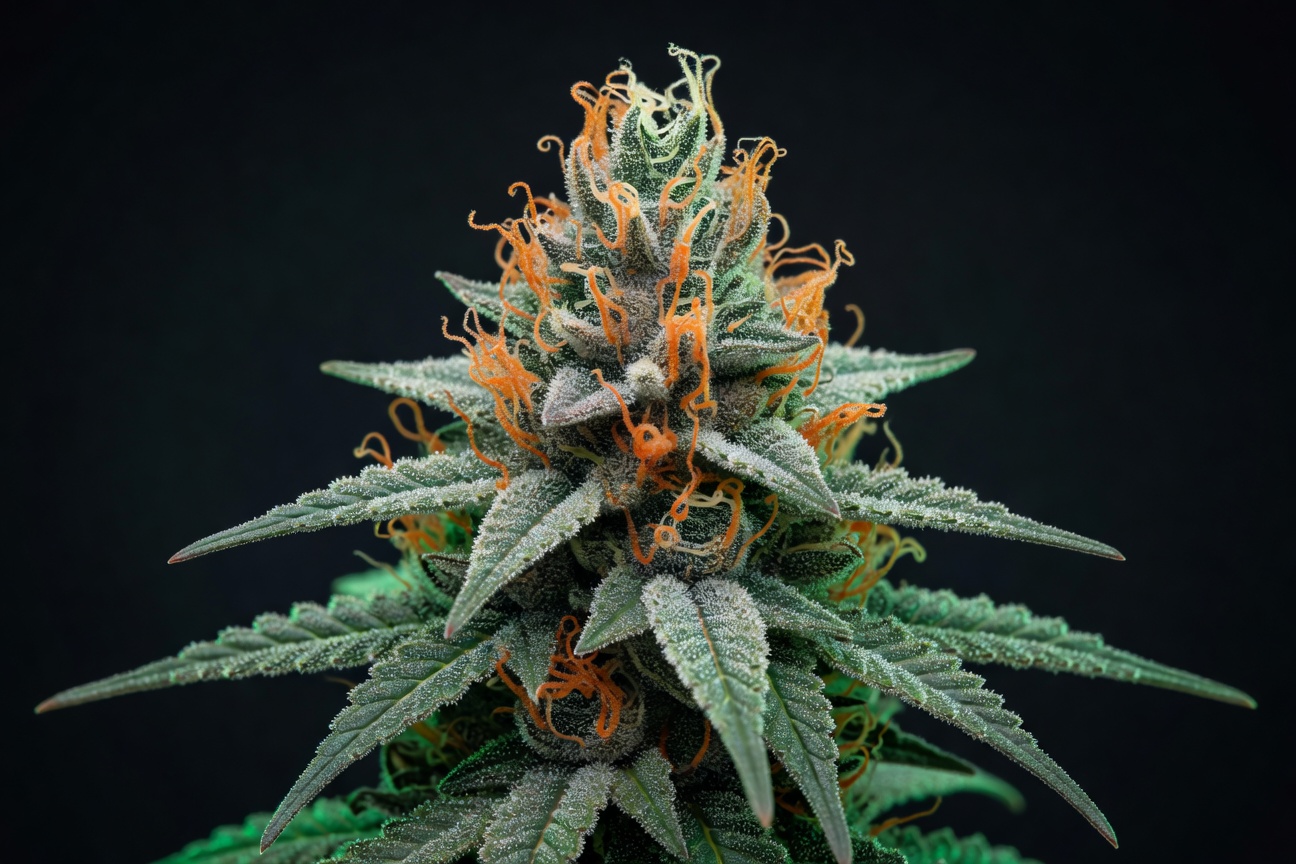
THC
14.4–17.3%
CBD
0.1%
Red Roses is a hybrid strain from Riot Seeds testing around 15 to 17 percent THC, a gentler and more accessible range.
No effect, terpene, flavor or medical-use data specific to Red Roses has been published yet, so we don't guess. For what hybrid strains usually do, see the effects guide.
THC in this profile
17.3% THC
About Red Roses
Riot Seeds offers Red Roses as a hybrid sitting in a gentler potency window than much of the current market, with THC testing around 15 to 17 percent. That's a range that skews toward the accessible end of the spectrum rather than the 20-plus numbers that dominate today's shelves, and for some growers and buyers that's exactly the appeal: a plant that won't overwhelm a newer consumer or a garden aiming for balance rather than maximum output. The floral name hints at something ornamental, though no terpene or flavor data has been published to back that impression up yet. What's documented is straightforward: hybrid genetics, a THC ceiling under 18 percent, and a Riot Seeds listing behind it. In a market increasingly obsessed with chasing the highest lab number possible, a mid-teens hybrid like Red Roses is a reminder that potency isn't the only axis worth tracking, even if, for this particular cultivar, it's currently the only axis with numbers attached.
Where to Buy Seeds
We may earn a commission from purchases made through these links.
Frequently Asked Questions about Red Roses
Is Red Roses an Indica, Sativa, or Hybrid?
Red Roses is classified as a hybrid cannabis strain.
What cannabinoid content is reported for Red Roses?
Red Roses: 17.3% THC and 0.1% CBD reported in our data. The THC figure, when present, is the upper end of the reported range, not a typical measured dose. Potency can vary across harvests, phenotypes, and growing conditions.