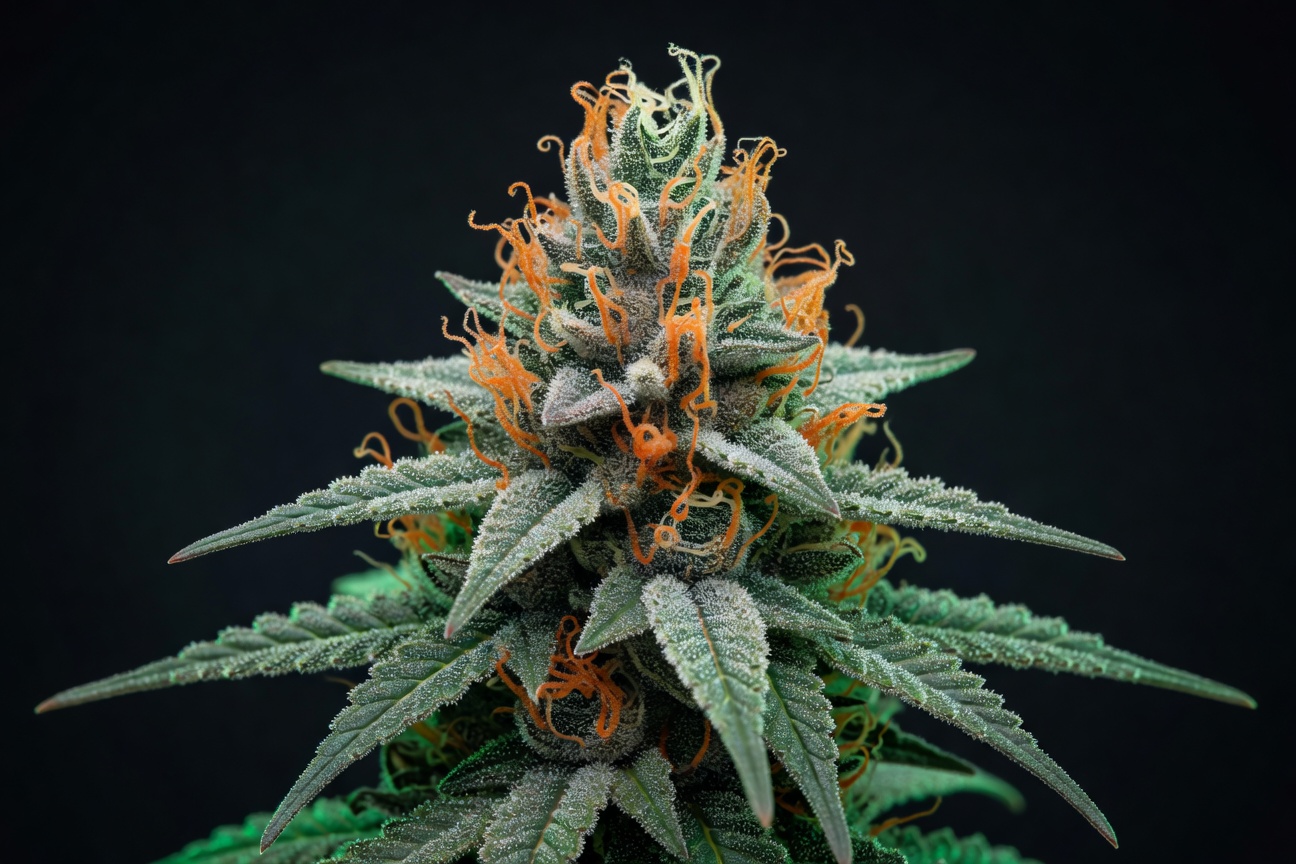
THC
9.94–21.4%
CBD
0.5%
Genetics Split
Sleeskunk crosses Skunk 1 with SleeStack, a 30/70 sativa-leaning hybrid from DNA Genetics yielding 450-500 g/m² and up to 21% THC.
No effect, terpene, flavor or medical-use data specific to Sleeskunk has been published yet, so we don't guess. For what hybrid strains usually do, see the effects guide.
THC in this profile
21.4% THC
Growing Information
Yield (Indoor)
450-500 g/m²
About Sleeskunk
Sleeskunk pairs Skunk 1 with SleeStack under DNA Genetics, arriving at roughly 30 percent indica and 70 percent sativa. THC results have varied widely, from a modest 10 percent up to 21 percent, a bigger spread than most crosses show and a hint at some phenotype variation within the line. Indoor growers have reported yields between 450 and 500 grams per square meter, a solid number regardless of which end of the potency range a particular plant lands on. Beyond the genetics, yield, and THC spread, little else has been documented about Sleeskunk: no flowering window, height, difficulty rating, terpene sheet, flavor notes, or effects have been recorded for this cross yet. What's known points to a sativa-leaning hybrid with real productivity in the tent, and the rest is still an open question for anyone growing it out.
Where to Buy Seeds
We may earn a commission from purchases made through these links.
Frequently Asked Questions about Sleeskunk
Is Sleeskunk an Indica, Sativa, or Hybrid?
Sleeskunk is classified as a hybrid cannabis strain bred from a genetic cross of Skunk #1 × Sleestack.
What cannabinoid content is reported for Sleeskunk?
Sleeskunk: 21.4% THC and 0.5% CBD reported in our data. The THC figure, when present, is the upper end of the reported range, not a typical measured dose. Potency can vary across harvests, phenotypes, and growing conditions.