THC
19–22.1%
CBD
0.6%
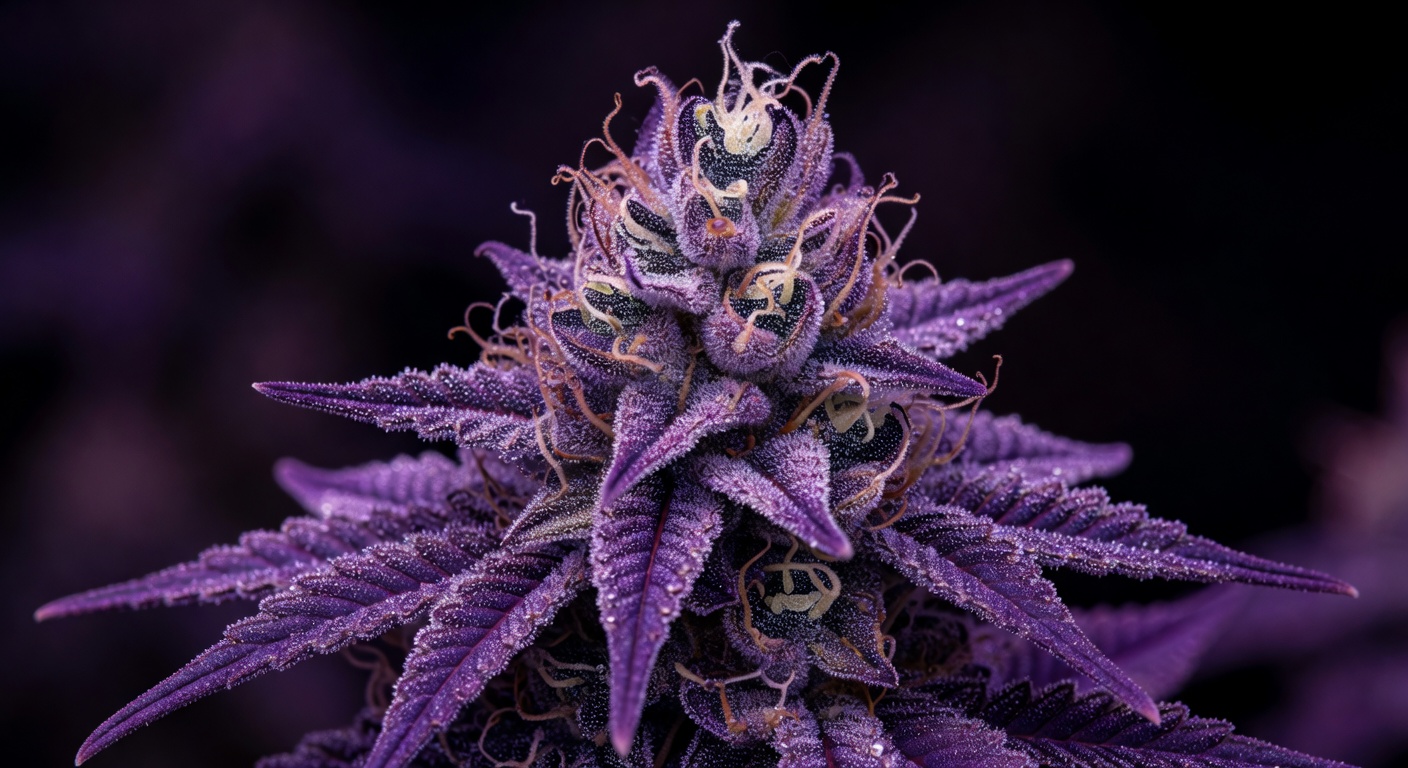
Sour Grape Kush S1 is a indica cannabis strain by Ultra Genetics Seeds with up to 22.1% THC. Known for its relaxing body effects and sedating properties.
No effect, terpene, flavor or medical-use data specific to Sour Grape Kush S1 has been published yet, so we don't guess. For what indica strains usually do, see the effects guide.
THC in this profile
22.1% THC
Growing Information
Flowering Time
8–9 weeks
About Sour Grape Kush S1
Sour Grape Kush S1 Cannabis Seeds by Ultra Genetics Seeds This one isn't for the light-hearted, with THC percentages reading on the high side. This cross is a product of a Sour Grape Kush (Snow White Cut) and a Sour Grape Kush (Snow White cut). The 'Snow White' comes from the fact these clones showed great blooming during cold temperatures, both from years old genetics. With exceptional flavour and its harsh tones, not to forget the therapeutic benefits it entails. On the subject of the high, it is sold and strong, it will help you look at the world in a different light. It's been recommended for walks and smoking with good company. These seeds are from the S1 cross, meaning these will not grow with the same force you would find in F1's. To counteract this, a good idea is to increase the veg time. It has been noted that the high THC, as well as the flavour profile, make this a good choice for extraction. Genetics: Sour Grape Kush (Snow White cut) x Sour Grape Kush (Snow White cut) Type: Sativa 65% / Indica 35% Area: Indoor / Outdoor Flowering Time: 56 - 63 days Yield: Avg
Where to Buy Seeds
We may earn a commission from purchases made through these links.
Frequently Asked Questions about Sour Grape Kush S1
Is Sour Grape Kush S1 an Indica, Sativa, or Hybrid?
Sour Grape Kush S1 is classified as a indica cannabis strain bred from a genetic cross of is a product of a Sour Grape Kush × a Sour Grape Kush.
What cannabinoid content is reported for Sour Grape Kush S1?
Sour Grape Kush S1: 22.1% THC and 0.6% CBD reported in our data. The THC figure, when present, is the upper end of the reported range, not a typical measured dose. Potency can vary across harvests, phenotypes, and growing conditions.