THC
21.3–23.9%
CBD
0.3%
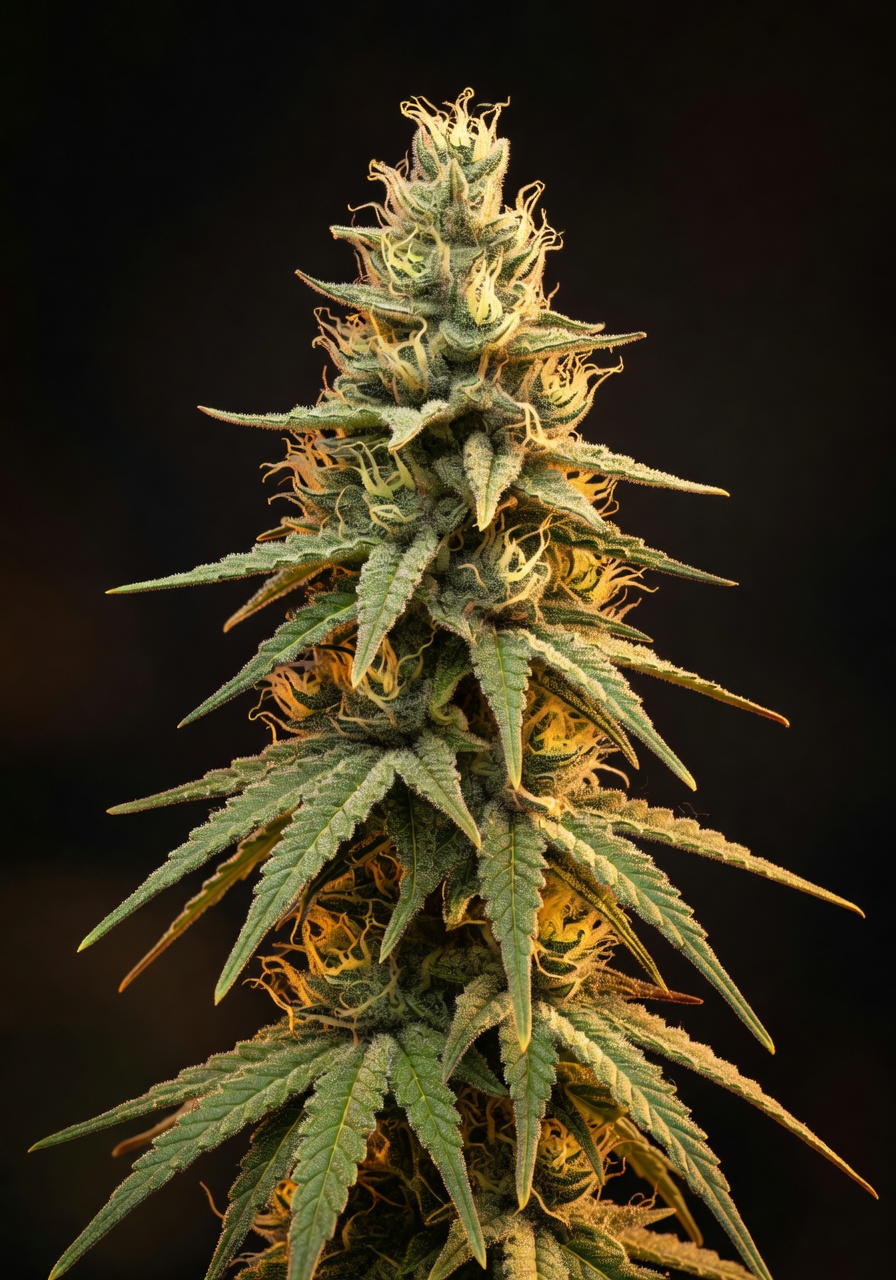
This hybrid landrace from Sensi Seeds, with its 23.9% THC, invites a creative and euphoric buzz that fosters happiness and relaxation, making it a solid choice for easing anxiety, depression, pain, and stress without overwhelming intensity. Terpenes such as caryophyllene, limonene, and myrcene under...
No effect, terpene, flavor or medical-use data specific to South African Landrace has been published yet, so we don't guess. For what sativa strains usually do, see the effects guide.
THC in this profile
23.9% THC
About South African Landrace
This hybrid landrace from Sensi Seeds, with its 23.9% THC, invites a creative and euphoric buzz that fosters happiness and relaxation, making it a solid choice for easing anxiety, depression, pain, and stress without overwhelming intensity. Terpenes such as caryophyllene, limonene, and myrcene underpin its earthy, herbal, and sweet flavors, drawing from its South African origins for an authentic, robust profile. What truly distinguishes South African Landrace is its pure lineage, offering a window into traditional cannabis genetics that provides a smooth, culturally rich high perfect for those seeking a genuine, heritage-inspired escape.
Where to Buy Seeds
We may earn a commission from purchases made through these links.
Frequently Asked Questions about South African Landrace
Is South African Landrace an Indica, Sativa, or Hybrid?
South African Landrace is classified as a sativa cannabis strain.
What cannabinoid content is reported for South African Landrace?
South African Landrace: 23.9% THC and 0.3% CBD reported in our data. The THC figure, when present, is the upper end of the reported range, not a typical measured dose. Potency can vary across harvests, phenotypes, and growing conditions.