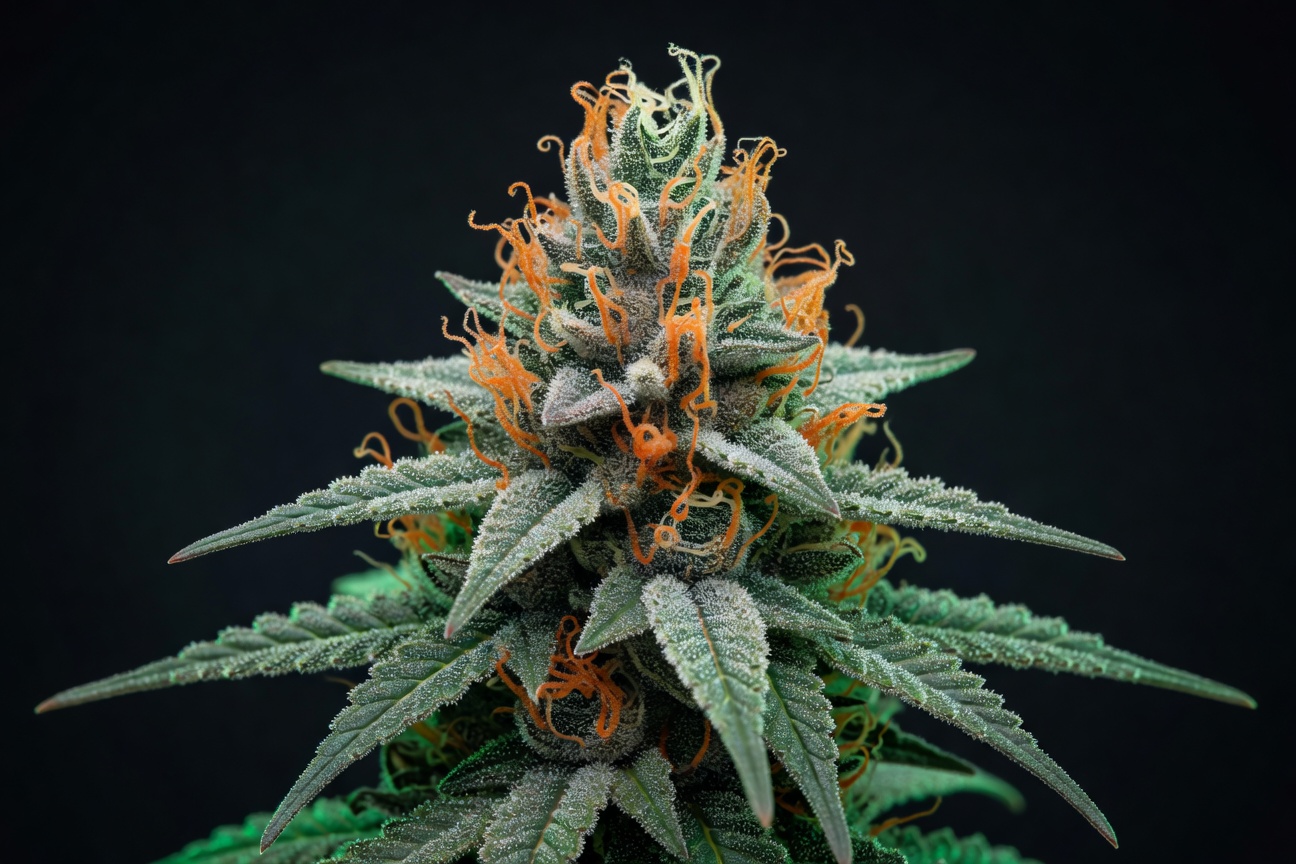
THC
14.2–17.4%
CBD
0.4%
Genetics Split
Strawberry Cough #2 is an easy-grow 80/20 sativa Dutchbreed hybrid testing 14 to 17 percent THC with a 500 g/plant yield.
No effect, terpene, flavor or medical-use data specific to Strawberry Cough #2 has been published yet, so we don't guess. For what hybrid strains usually do, see the effects guide.
THC in this profile
17.4% THC
Growing Information
Flowering Time
9–10 weeks
Difficulty
easy
Height (Indoor)
80-120cm
Height (Outdoor)
200-300cm
Yield (Indoor)
375-500 g/m²
Yield (Outdoor)
500 g/plant
About Strawberry Cough #2
Strawberry Cough #2, from Dutchbreed, keeps the sativa-dominant character of its namesake with an 80/20 sativa-indica split, though its THC sits at a comparatively gentle 14 to 17 percent. It's rated an easy grow, a welcome trait alongside a longer 9-to-10-week flowering window, and indoors it stays compact at 80 to 120 centimeters while producing 375 to 500 grams per square meter. Outdoors the plant stretches dramatically, reaching 200 to 300 centimeters and yielding around 500 grams per plant, a size difference that says a lot about how much this cultivar wants direct sun and open space. For beginner growers wanting a forgiving sativa-leaning plant, the ease-of-grow rating does most of the recommending.
Where to Buy Seeds
We may earn a commission from purchases made through these links.
Frequently Asked Questions about Strawberry Cough #2
Is Strawberry Cough #2 an Indica, Sativa, or Hybrid?
Strawberry Cough #2 is classified as a hybrid cannabis strain.
What cannabinoid content is reported for Strawberry Cough #2?
Strawberry Cough #2: 17.4% THC and 0.4% CBD reported in our data. The THC figure, when present, is the upper end of the reported range, not a typical measured dose. Potency can vary across harvests, phenotypes, and growing conditions.