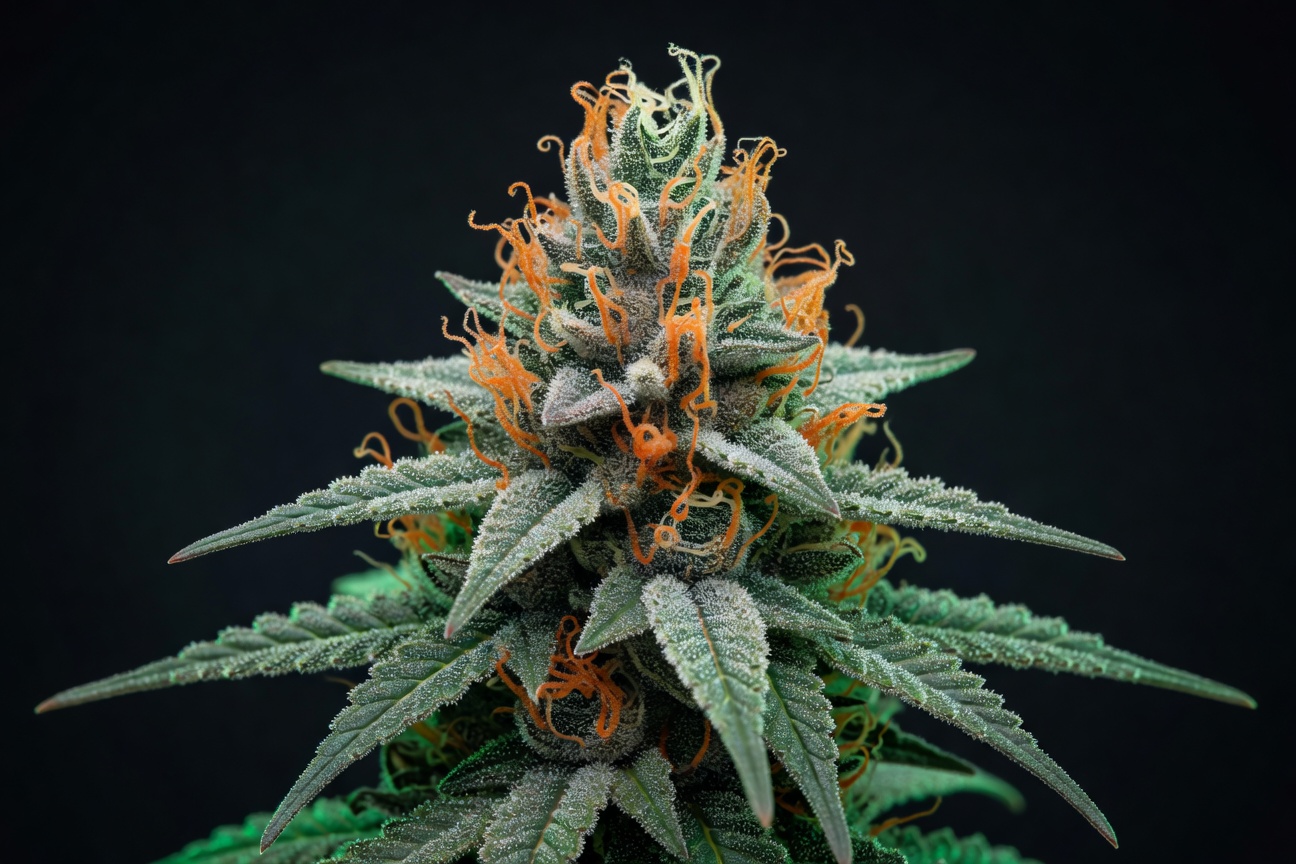
Sunlight Skunk
PopularTHC
20.4–23.3%
CBD
0.6%
Sunlight Skunk is a hybrid strain tested at 21 to 23 percent THC, with a skunk-lineage name but little else yet documented.
No effect, terpene, flavor or medical-use data specific to Sunlight Skunk has been published yet, so we don't guess. For what hybrid strains usually do, see the effects guide.
THC in this profile
23.3% THC
About Sunlight Skunk
Sunlight Skunk carries a name that nods to the classic skunk lineage many modern hybrids trace back to, though its own pedigree, grow specifications, and flavor notes haven't been logged for this particular version. What is documented is potency: lab sheets put this cross between roughly 21 and 23 percent THC, placing it well above the market average and marking it as a strain suited to consumers who already know their tolerance. As a hybrid, its stated classification sits between the indica and sativa lines by definition, but beyond that there's little else on record. For now, growers and shoppers encountering Sunlight Skunk are working mostly from the name and a single lab number - a reminder that potency alone doesn't tell the whole story of how a plant will ultimately smoke, smell, or feel.
Where to Buy Seeds
We may earn a commission from purchases made through these links.
Frequently Asked Questions about Sunlight Skunk
Is Sunlight Skunk an Indica, Sativa, or Hybrid?
Sunlight Skunk is classified as a hybrid cannabis strain bred from a genetic cross of roughly 21 × 23 percent THC.
What cannabinoid content is reported for Sunlight Skunk?
Sunlight Skunk: 23.3% THC and 0.6% CBD reported in our data. The THC figure, when present, is the upper end of the reported range, not a typical measured dose. Potency can vary across harvests, phenotypes, and growing conditions.