THC
17.7–21.4%
CBD
0.4%
Genetics Split
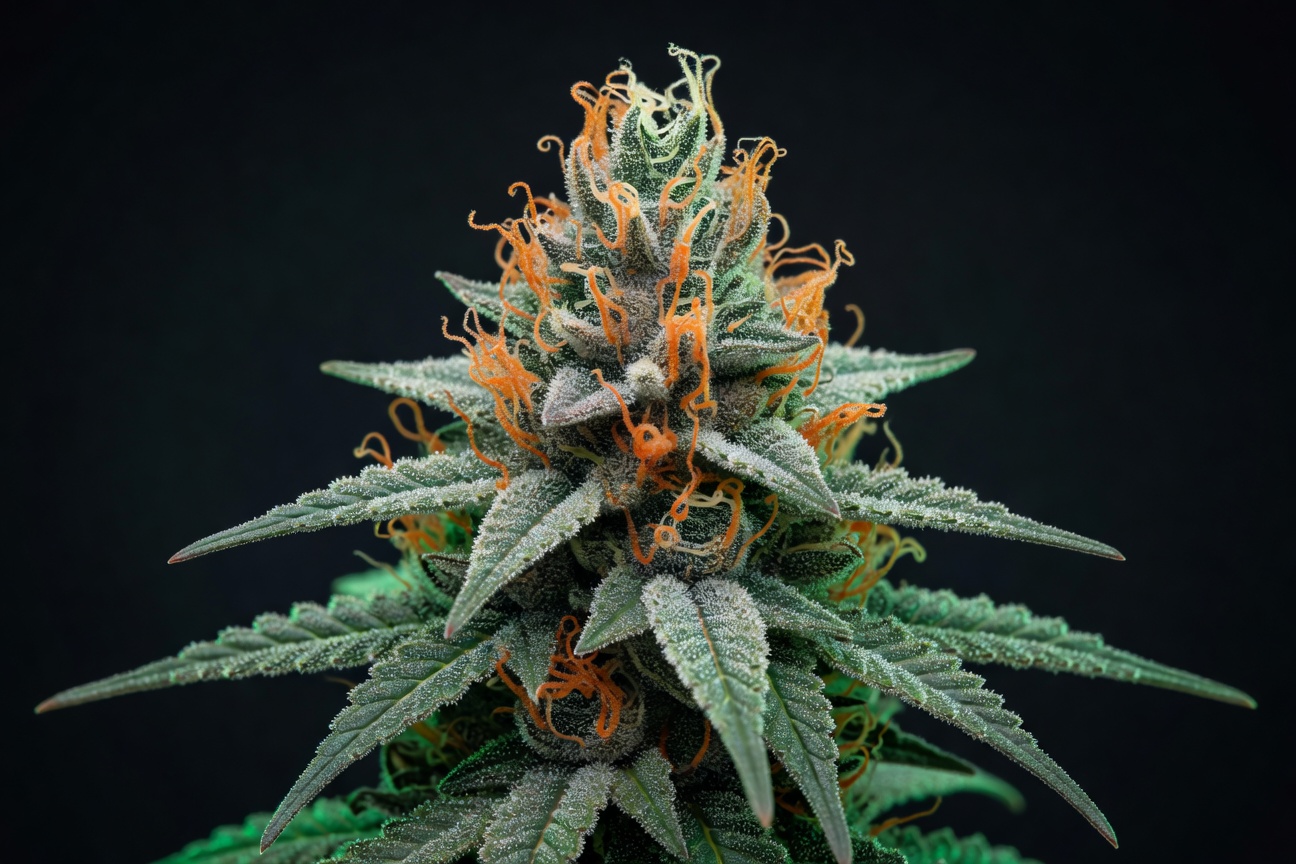
Unicorn Glitter Atlas is a hybrid cannabis strain by Atlas Seeds with up to 21.4% THC. Known for its balanced effects combining body relaxation and mental uplift.
No effect, terpene, flavor or medical-use data specific to Unicorn Glitter Atlas has been published yet, so we don't guess. For what hybrid strains usually do, see the effects guide.
THC in this profile
21.4% THC
Growing Information
Flowering Time
8–9 weeks
About Unicorn Glitter Atlas
Type: Indica-Dominant Hybrid | Feminized SeedsGenetics: Gelato 41 x Glitter BombSativa/Indica Ratio: 30% Sativa / 70% IndicaFlowering Time (Indoor): 60-65 daysFlowering Time (Outdoor): Early to mid-OctoberYield: HighResistance: Mold & Mildew: Above Average Pests: Moderate Cold Resistance: Moderate Heat Resistance: HighTerpene Profile: Sweet cream, vanilla cake, sugar cookies, candyEffect: Euphoric and uplifting before transitioning into deep, body-soothing relaxation  Unicorn Glitter is a decadent indica-dominant hybrid that blends the dessert-like richness of Gelato 41 with the resin-packed potency of Glitter Bomb. This strain delivers a luxurious experience, featuring high yields, above-average mold resistance, and dense, trichome-laden buds. Its aroma bursts with creamy vanilla, fresh-baked cookies, and sugary candy, making it a dream for flavor chasers. The effects are deeply relaxing yet balanced, providing a euphoric mental lift before settling into a smooth, full-body melt—ideal for unwinding in the evening or indulging in a flavorful session.
Where to Buy Seeds
We may earn a commission from purchases made through these links.
Frequently Asked Questions about Unicorn Glitter Atlas
Is Unicorn Glitter Atlas an Indica, Sativa, or Hybrid?
Unicorn Glitter Atlas is classified as a hybrid cannabis strain bred from a genetic cross of Gelato 41 × Glitter Bomb.
What cannabinoid content is reported for Unicorn Glitter Atlas?
Unicorn Glitter Atlas: 21.4% THC and 0.4% CBD reported in our data. The THC figure, when present, is the upper end of the reported range, not a typical measured dose. Potency can vary across harvests, phenotypes, and growing conditions.