THC
17.5–19.5%
CBD
0.2%
White Widow Atlas Seeds is a hybrid cannabis strain by Atlas Seeds with up to 19.5% THC. Known for its balanced effects combining body relaxation and mental uplift.
No effect, terpene, flavor or medical-use data specific to White Widow Atlas Seeds has been published yet, so we don't guess. For what hybrid strains usually do, see the effects guide.
THC in this profile
19.5% THC
About White Widow Atlas Seeds
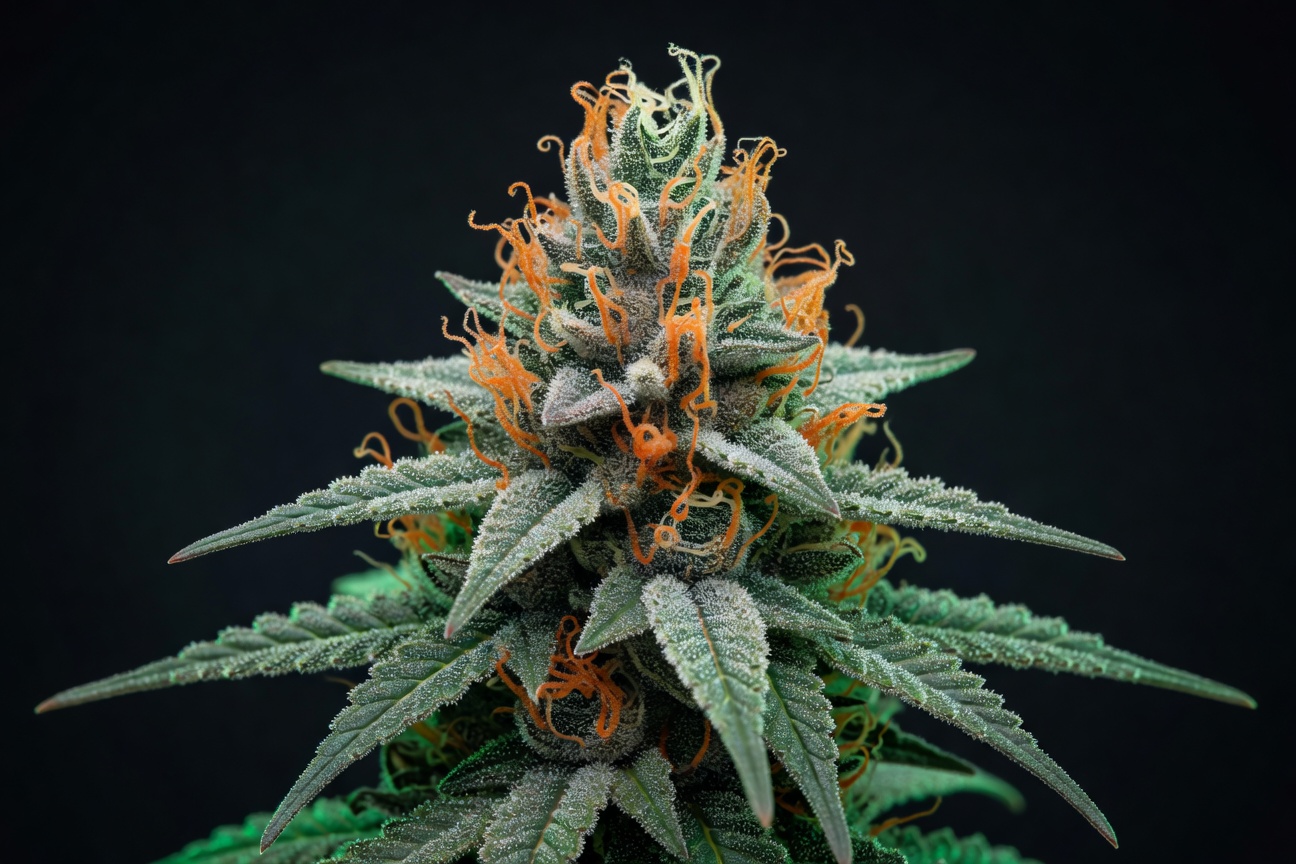
Type: Balanced Hybrid | Feminized SeedsGenetics: White Widow x White WidowSativa/Indica Ratio: Balanced HybridFlowering Time (Indoor): ~65 daysFlowering Time (Outdoor): Early OctoberYield: Moderate to HighResistance: Mold & Mildew: Above Average Pests: Moderate Cold Resistance: Moderate Heat Resistance: GoodTerpene Profile: Sweet cream, vanilla cake, sugar cookies, light floral candyEffect: Balanced cerebral uplift and physical relaxation with a long-lasting, satisfying high White Widow is a legendary hybrid, revered for its exceptional resin production, balanced effects, and classic sweet, creamy aroma. This stabilized cross of White Widow x White Widow enhances the original's best traits, delivering vigorous growth, dense buds, and a thick trichome layer that gives it a frosted appearance. With a flowering time of approximately 65 days, White Widow thrives in indoor environments, offering above-average mold resistance and an adaptable growth structure. Its complex aroma combines notes of cream, cake, cookies, and candy, making it as enjoyable to the senses as it is to grow. Â
Where to Buy Seeds
We may earn a commission from purchases made through these links.
Frequently Asked Questions about White Widow Atlas Seeds
Is White Widow Atlas Seeds an Indica, Sativa, or Hybrid?
White Widow Atlas Seeds is classified as a hybrid cannabis strain.
What cannabinoid content is reported for White Widow Atlas Seeds?
White Widow Atlas Seeds: 19.5% THC and 0.2% CBD reported in our data. The THC figure, when present, is the upper end of the reported range, not a typical measured dose. Potency can vary across harvests, phenotypes, and growing conditions.