THC
1.27%
CBD
0.1%
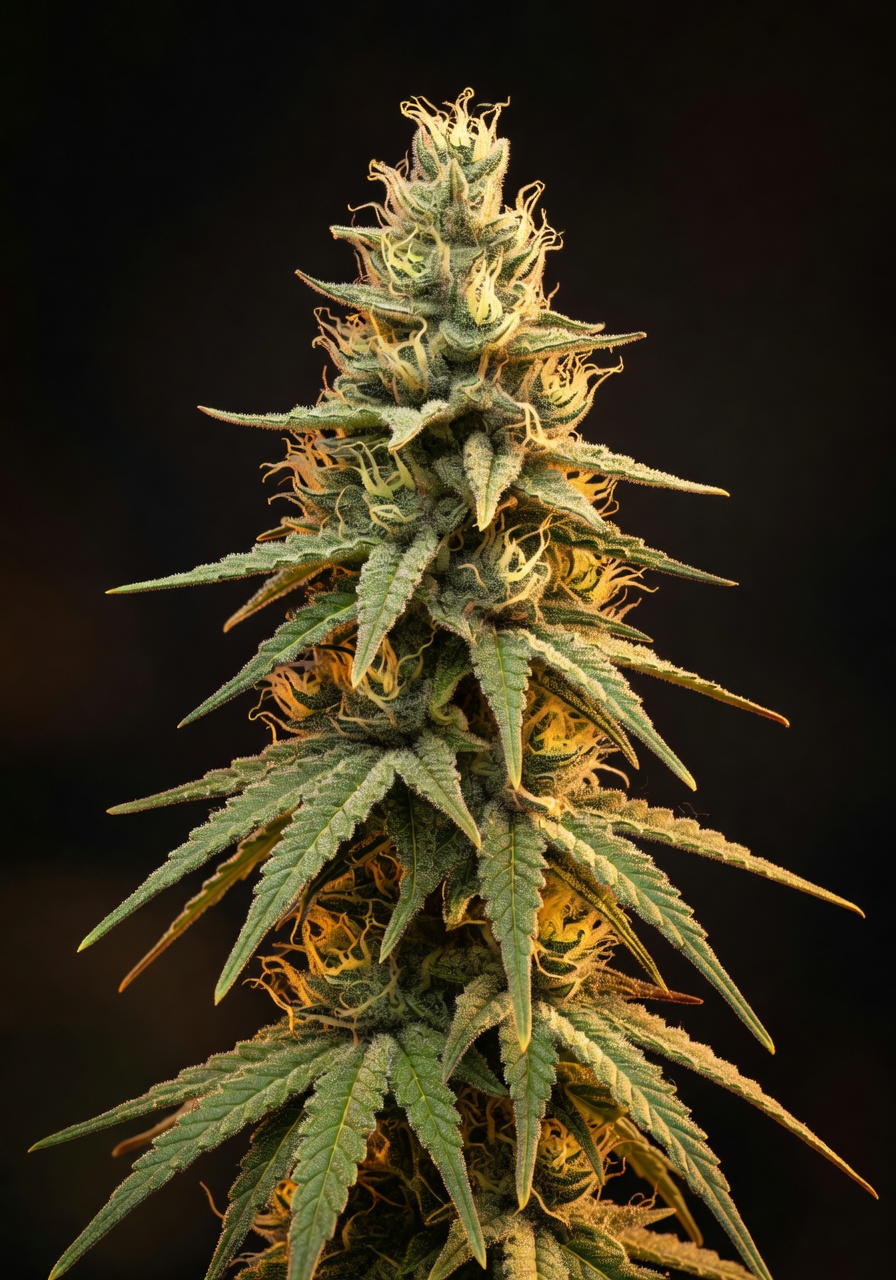
Durban Cheese crosses Durban Poison with Cheese into a sativa that tested at roughly 1 percent THC on record.
No effect, terpene, flavor or medical-use data specific to Durban Cheese has been published yet, so we don't guess. For what sativa strains usually do, see the effects guide.
THC in this profile
1.27% THC
About Durban Cheese
The name promises Durban Poison's sativa energy crossed with the pungency of Cheese, and the lineage checks out on paper as a straightforward two-parent cross. What's unusual here is the lab number: THC on record sits at roughly 1 percent, a fraction of what either parent typically produces, and far below the double-digit range most sativas in this database carry. No effects, flavors, or terpenes have been catalogued for this particular test batch, and no grow data, flowering, height, yield, has been recorded either. Whether that low reading reflects the true character of this cross or a single unusual test result isn't something the available data can settle, but it's the figure on file, and it sets Durban Cheese apart from nearly everything else built on Durban Poison genetics.
Where to Buy Seeds
We may earn a commission from purchases made through these links.
Frequently Asked Questions about Durban Cheese
Is Durban Cheese an Indica, Sativa, or Hybrid?
Durban Cheese is classified as a sativa cannabis strain bred from a genetic cross of Durban Poison × Cheese.
What cannabinoid content is reported for Durban Cheese?
Durban Cheese: 1.3% THC and 0.1% CBD reported in our data. The THC figure, when present, is the upper end of the reported range, not a typical measured dose. Potency can vary across harvests, phenotypes, and growing conditions.