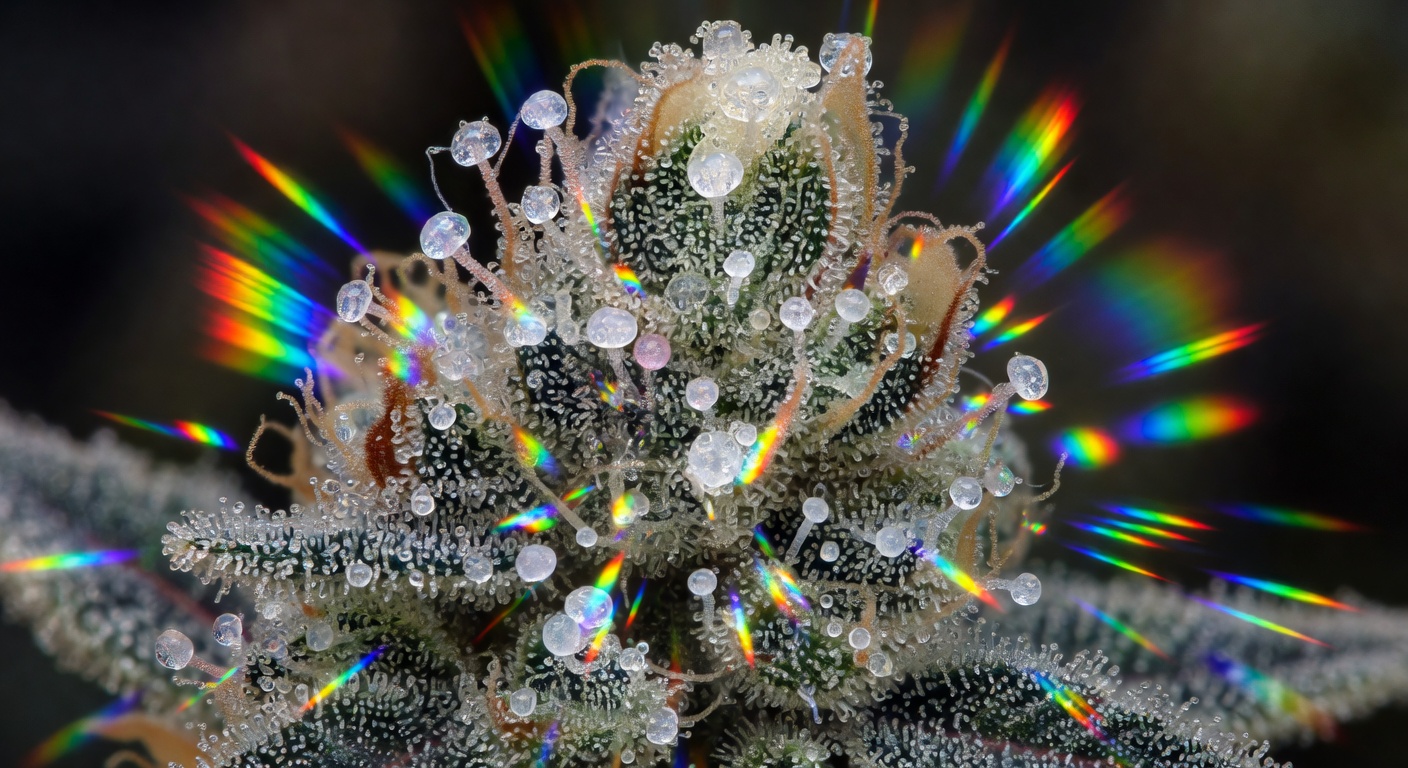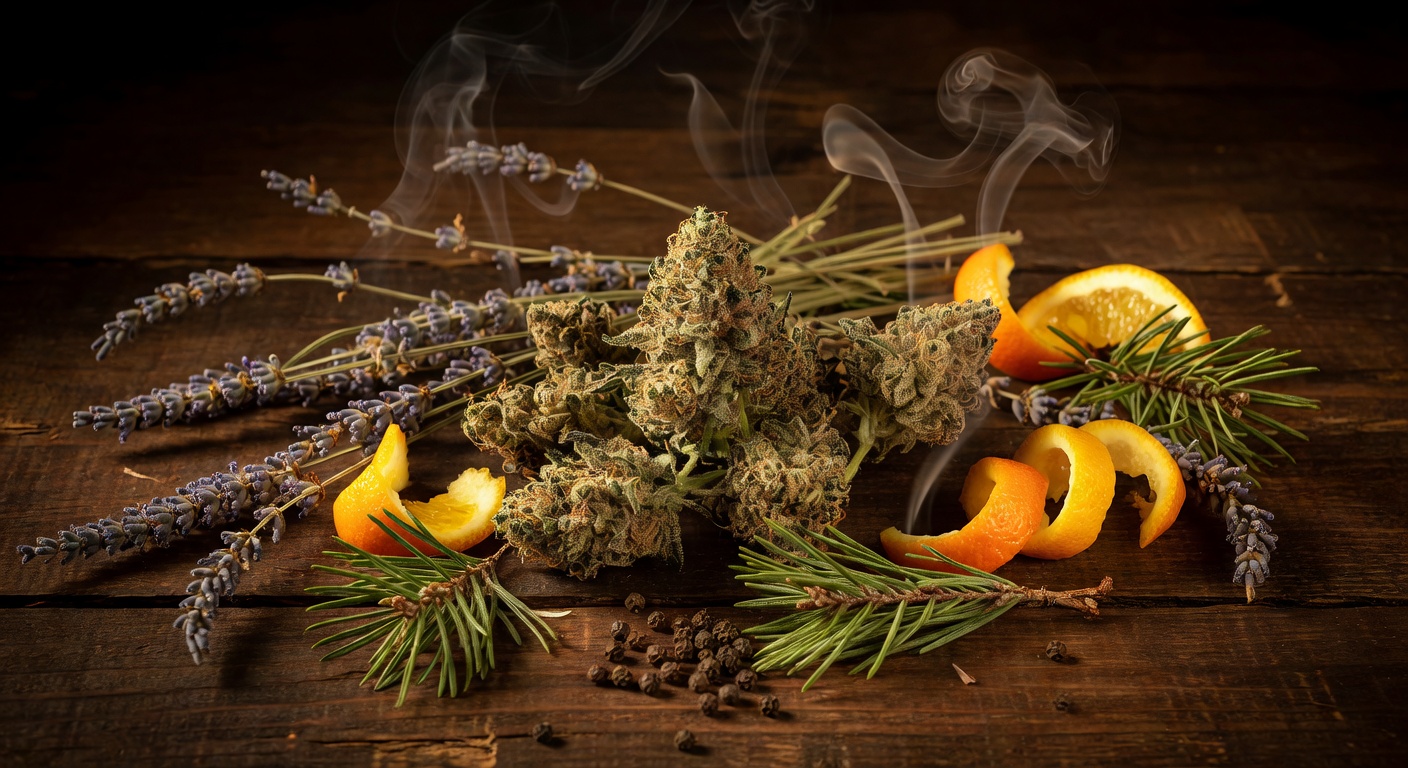
If you have ever wondered why two strains with identical THC percentages can produce completely different experiences, the answer lies in terpenes. These aromatic compounds are the unsung heroes of cannabis, responsible not just for flavor and aroma but for actively shaping how cannabinoids interact with your body.
Beyond Aroma: Terpenes as Active Compounds
Terpenes were long dismissed as mere flavor molecules — nice for the nose but irrelevant to the experience. Modern research has overturned this assumption entirely. Terpenes cross the blood-brain barrier, interact with neurotransmitter systems, and modulate cannabinoid receptor activity. They are pharmacologically active compounds in their own right.
A landmark 2011 review by Dr. Ethan Russo, published in the British Journal of Pharmacology, outlined the specific mechanisms through which terpenes modify cannabis effects. The paper demonstrated that terpenes could enhance or reduce THC's psychoactivity, modify absorption rates, and produce independent therapeutic effects.
How Specific Terpenes Shape Your Experience
Myrcene: The Sedation Switch
Myrcene is the most abundant terpene in cannabis, and its concentration essentially determines whether a strain feels sedating or not. The industry rule of thumb — strains with more than 0.5% Myrcene tend to produce indica-like sedating effects — has held up reasonably well in practice, though individual responses vary.
How it works: Myrcene increases the permeability of cell membranes, which may allow THC to cross the blood-brain barrier more quickly. This could explain why high-Myrcene strains hit fast and hit hard. Myrcene also activates TRPV1 receptors involved in pain perception and has demonstrated muscle-relaxant properties in animal studies.
What you will feel: Body heaviness, deep relaxation, drowsiness, enhanced couch-lock. High-Myrcene strains are the ones that make you melt into the sofa.
Limonene: The Mood Elevator
Limonene, with its bright citrus aroma, is associated with uplifted, energetic experiences. It is the second most common cannabis terpene and the one most strongly linked to mood enhancement.
How it works: Limonene increases serotonin and dopamine levels in key brain regions. A 2013 study found that citrus fragrance (Limonene) normalized stress hormone levels and improved immune function in depressed patients. In cannabis, Limonene appears to facilitate THC absorption through mucous membranes and may increase the bioavailability of other terpenes.
What you will feel: Elevated mood, energy, sociability, mental clarity. Limonene-dominant strains are the classic "happy" strains.
Caryophyllene: The Anti-Inflammatory Cannabinoid-Terpene
Beta-caryophyllene is unique in the terpene world because it binds directly to CB2 receptors in the endocannabinoid system. This makes it the only terpene that also functions as a dietary cannabinoid. It does not produce any psychoactive effects through this mechanism — CB2 receptors are primarily found in the immune system and peripheral tissues.
How it works: By activating CB2 receptors, caryophyllene triggers anti-inflammatory cascades and may reduce neuropathic pain. It also modulates TNF-alpha and other inflammatory cytokines. Studies have shown it can enhance the pain-relieving effects of low-dose morphine, suggesting powerful analgesic synergy.
What you will feel: Reduced physical discomfort, subtle calm without sedation. Strains high in caryophyllene are prized by medical patients seeking pain relief.
Linalool: The Anxiety Eraser
Linalool, the terpene responsible for lavender's calming scent, has potent anxiolytic and sedative properties. It is relatively uncommon as a dominant terpene but profoundly affects the experience when present in significant quantities.
How it works: Linalool modulates glutamate and GABA neurotransmitter systems — the same systems targeted by anti-anxiety medications like benzodiazepines, though through a different mechanism. It also blocks voltage-gated sodium channels, which may explain its local anesthetic properties.
What you will feel: Deep calm, reduced anxiety, gentle sedation. Linalool-rich strains are the ones people describe as "taking the edge off" without producing heavy drowsiness.
Pinene: The Focus Sharpener
Alpha-pinene and beta-pinene are the most common terpenes in nature (think pine forests) and are associated with alertness and mental clarity in cannabis.
How it works: Pinene inhibits acetylcholinesterase, the enzyme that breaks down acetylcholine — a neurotransmitter critical for memory and focus. This mechanism may counteract the short-term memory impairment commonly associated with THC. Pinene is also a bronchodilator, opening airways and potentially increasing cannabinoid absorption through the lungs.
What you will feel: Mental clarity, focus, improved recall. Pinene-dominant strains are often described as producing a "clear-headed" high.
Terpinolene: The Creative Spark
Terpinolene is relatively rare as a dominant terpene but produces some of the most distinctive cannabis experiences. Strains like Jack Herer, Ghost Train Haze, and Dutch Treat are terpinolene-dominant and known for their creative, cerebral effects.
How it works: Terpinolene's mechanism of action is less studied than other major terpenes, but research shows it has antioxidant and mildly sedating properties at high concentrations. In cannabis, it appears to produce an uplifting, almost psychedelic quality that enhances creative thinking.
What you will feel: Creative energy, euphoria, a slightly dreamy quality. Terpinolene strains are favorites among artists and musicians.
Terpene Combinations: Where the Magic Happens
Individual terpenes are important, but the real complexity comes from how they combine. Some notable synergies:
- **Myrcene + Linalool:** Maximum sedation. The classic "knockout" combo found in the best sleep strains.
- **Limonene + Pinene:** Energized focus. The productive daytime pairing.
- **Caryophyllene + Myrcene:** Pain relief with relaxation. The medicinal workhorse combination.
- **Terpinolene + Limonene:** Creative euphoria. The artist's blend.
- **Pinene + Caryophyllene:** Clear-headed pain relief without sedation. Ideal for functional medical use.
Practical Application: Shopping by Terpenes
The next time you visit a dispensary, try this approach:
1. Identify your goal — sleep, energy, pain relief, creativity, anxiety reduction 2. Look up the dominant terpene associated with that goal using the guide above 3. Ask the budtender for strains with that terpene profile, or check the COA (lab report) 4. Track your results — note the strain, its terpene profile, and how you felt
StrainCompass makes this process easy. Our [TerpScout tool](/terpscout) lets you select desired effects and returns strains ranked by their terpene alignment. Every strain in our [database](/strains) includes a full terpene breakdown sourced from lab data. And our [best strains lists](/best/relaxation) are organized by effect category, not outdated indica/sativa labels.
Terpenes are the key to predicting and personalizing your cannabis experience. Once you start paying attention to them, you will never look at a dispensary menu the same way again.