If you have ever walked into a dispensary and been overwhelmed by the sheer variety of strains, you are not alone. Most consumers default to choosing based on THC percentage, but there is a far better predictor of how a strain will make you feel: terpenes.
What Are Terpenes?
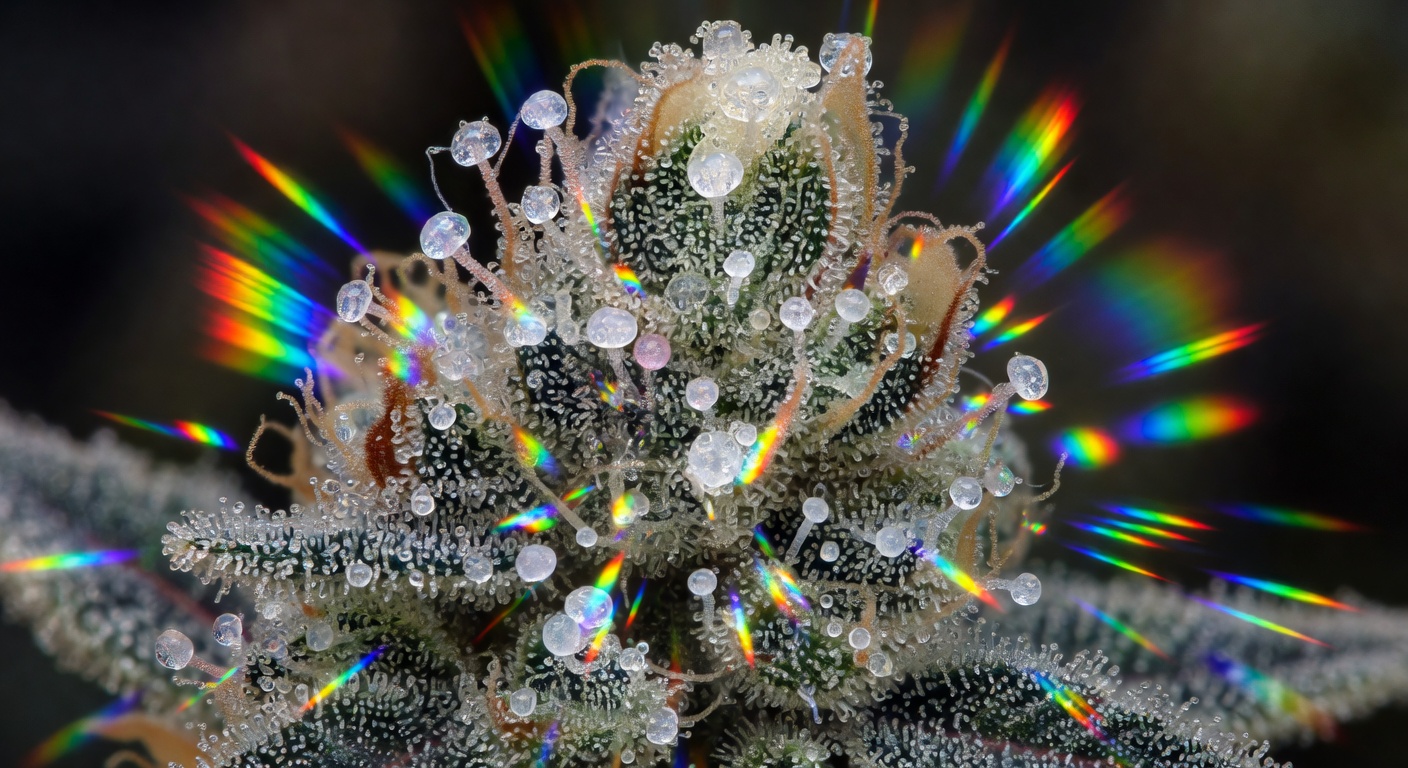
Terpenes are aromatic organic compounds produced by plants, insects, and some animals. In cannabis, they are synthesized in the same glandular trichomes that produce cannabinoids like THC and CBD. There are over 200 terpenes identified in cannabis, though most strains are dominated by a handful of major ones.
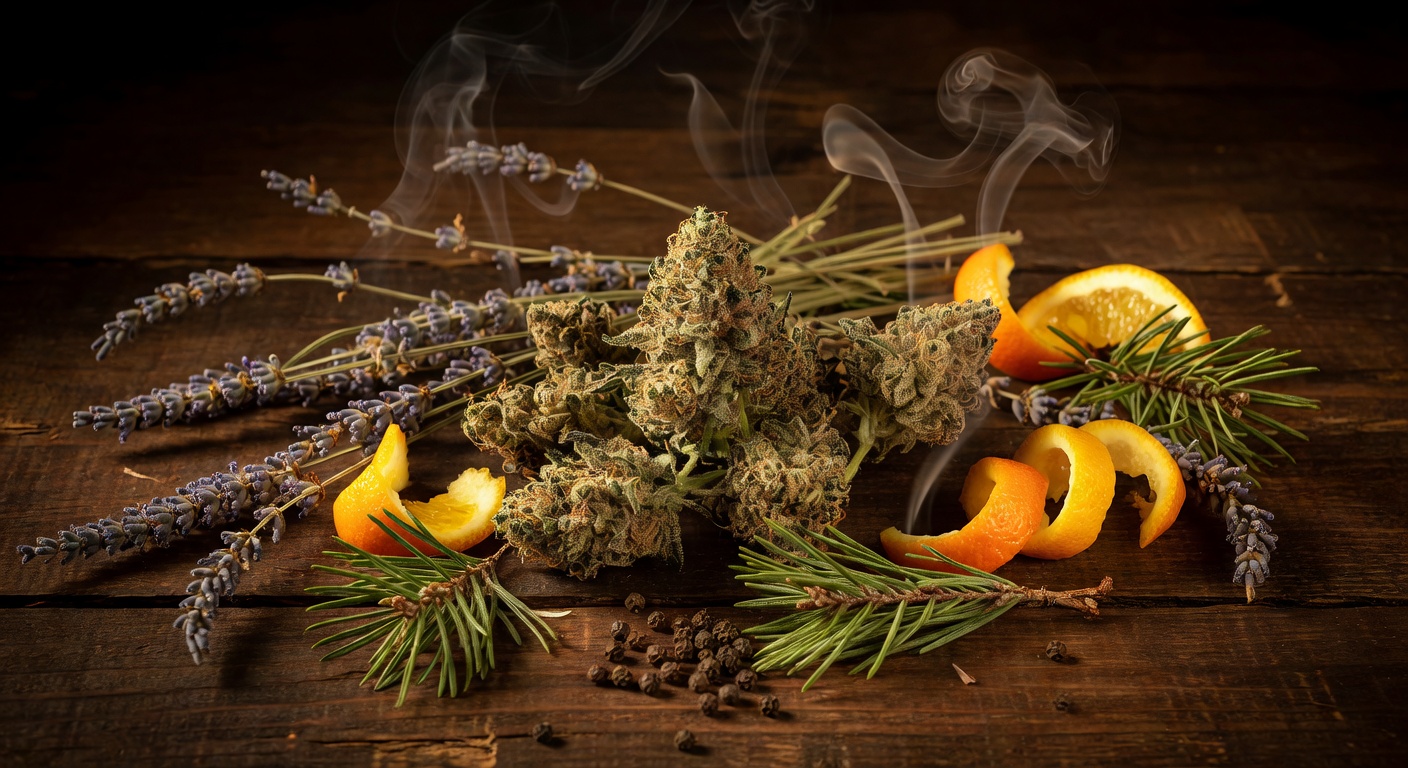
You already know terpenes from everyday life. The refreshing scent of a lemon? That is Limonene. The calming aroma of lavender? Linalool. The spicy kick of black pepper? Caryophyllene. The earthy smell of hops in beer? Myrcene — which happens to be the most abundant terpene in cannabis.
The Entourage Effect
In 1998, Dr. Raphael Mechoulam proposed the entourage effect — the theory that cannabis compounds work synergistically to produce effects greater than any single compound alone. Terpenes are a central part of this theory. A strain with 20% THC and high Myrcene will feel very different from a strain with 20% THC and high Terpinolene, even though the cannabinoid numbers are identical.
This is why two strains with the same THC percentage can produce wildly different experiences. The terpene profile is the missing piece of the puzzle.
The Top 8 Cannabis Terpenes
1. Myrcene
Aroma: Earthy, musky, herbal (think mangoes and hops) Effects: Sedating, relaxing, anti-inflammatory Also found in: Mangoes, lemongrass, thyme, hops
Myrcene is the most common terpene in cannabis and is responsible for the classic "couch lock" associated with indica strains. Research suggests it may enhance THC absorption through the blood-brain barrier, potentially amplifying psychoactive effects. Strains with more than 0.5% Myrcene tend to produce sedating effects.
2. Limonene
Aroma: Citrus, lemon, orange peel Effects: Uplifting, mood-boosting, anti-anxiety Also found in: Citrus fruits, juniper, peppermint
Limonene is the second most common terpene and is associated with energetic, uplifting strains. It has shown promise in clinical studies for reducing anxiety and depression. If you want a daytime strain that elevates your mood, look for Limonene-dominant profiles.
3. Caryophyllene
Aroma: Spicy, peppery, woody Effects: Anti-inflammatory, pain-relieving, anti-anxiety Also found in: Black pepper, cloves, cinnamon
Caryophyllene is unique among terpenes because it can bind directly to CB2 receptors in the endocannabinoid system, making it the only terpene that also functions as a cannabinoid. This gives it potent anti-inflammatory and analgesic properties.
4. Linalool
Aroma: Floral, lavender, sweet Effects: Calming, sedating, anti-anxiety, anti-convulsant Also found in: Lavender, birch bark, mint
Linalool is the calming terpene, producing effects similar to aromatherapy with lavender. It is commonly found in strains recommended for anxiety, insomnia, and pain management. Research has shown it can reduce the anxiety-inducing effects of THC.
5. Pinene
Aroma: Pine, fresh forest, rosemary Effects: Alert, focused, bronchodilator, anti-inflammatory Also found in: Pine trees, rosemary, basil, eucalyptus
Pinene is the most common terpene in nature and is associated with mental clarity and focus. It acts as a bronchodilator, opening airways, and some research suggests it may counteract short-term memory impairment from THC.
6. Terpinolene
Aroma: Floral, herbal, piney, slightly citrus Effects: Uplifting, creative, mildly sedating at high doses Also found in: Nutmeg, tea tree, cumin, apples
Terpinolene is relatively rare as a dominant terpene but produces distinctive effects when it appears. Jack Herer, Dutch Treat, and Ghost Train Haze are classic Terpinolene-dominant strains known for their creative, cerebral highs.
7. Humulene
Aroma: Earthy, woody, hoppy Effects: Anti-inflammatory, appetite suppressant Also found in: Hops, sage, ginseng
Humulene works synergistically with Caryophyllene and is known for its anti-inflammatory properties. Unlike most cannabis compounds, Humulene may actually suppress appetite rather than stimulate it.
8. Ocimene
Aroma: Sweet, herbal, woody Effects: Decongestant, antiviral, antifungal Also found in: Mint, parsley, orchids, kumquats
Ocimene is less studied than other major terpenes but appears in many popular strains. It is thought to contribute to the energetic, uplifting quality of certain sativa-leaning varieties.
How to Use Terpene Information
- **Read lab reports:** Licensed dispensaries often provide COAs (Certificates of Analysis) that list terpene percentages.
- **Follow your nose:** If a strain smells amazing to you, your body may be telling you something. Scent preference often correlates with beneficial terpene profiles.
- **Track your experiences:** Use StrainCompass to log which strains work best for you, then look for patterns in their terpene profiles.
- **Look beyond THC:** A 18% THC strain with the right terpenes will often outperform a 30% THC strain with the wrong ones for your desired effect.
Terpenes are the key to personalizing your cannabis experience. Once you understand them, you will never pick a strain by THC percentage alone again.