Every legal cannabis product should come with a Certificate of Analysis (COA) — a lab report that tells you exactly what is in the product and confirms it is safe to consume. Yet most consumers never look at these documents, and those who do often find them confusing. This guide will teach you to read a COA like a pro.
What Is a Certificate of Analysis?
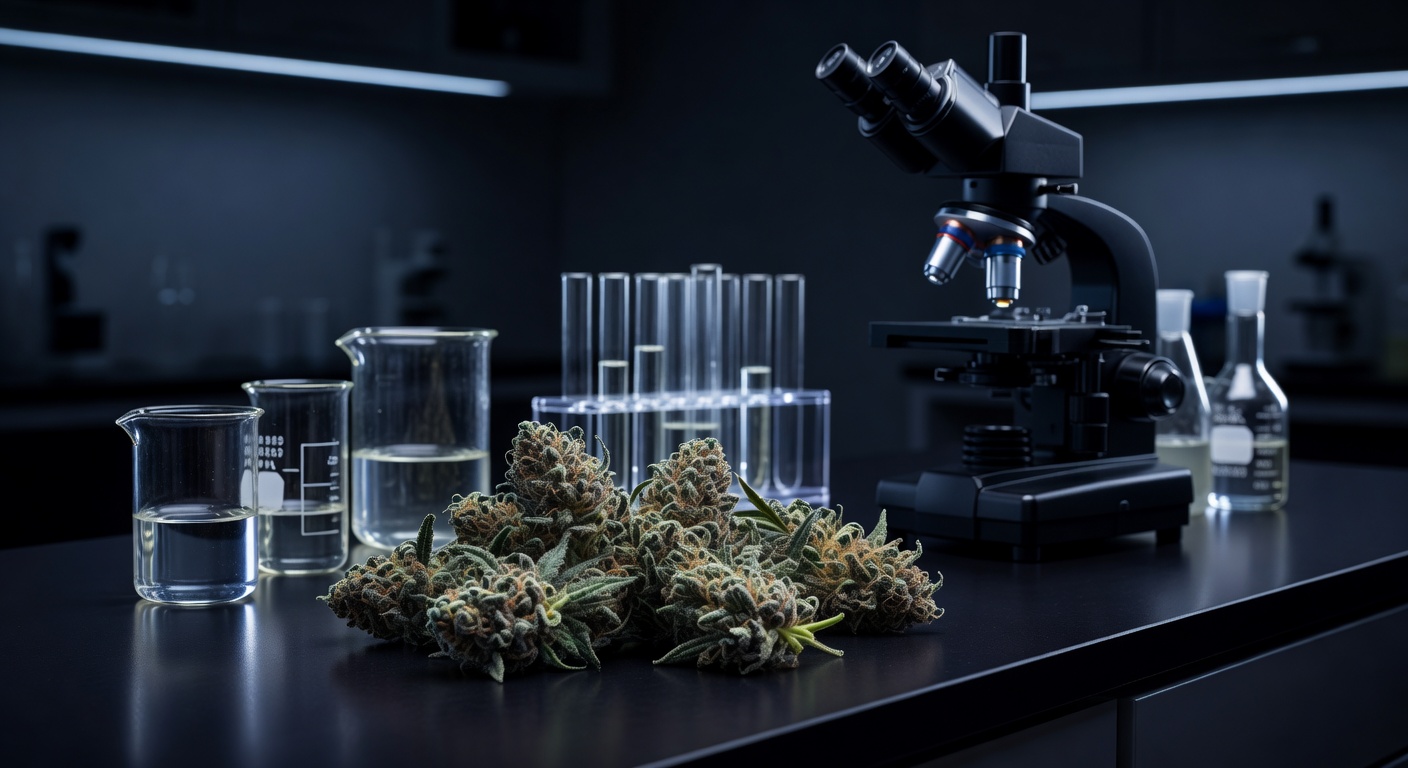
A COA is a document produced by an independent, accredited testing laboratory. It verifies the contents and safety of a cannabis product. In most legal markets, testing is mandatory before any product can be sold to consumers.
The lab analyzes a sample from each batch and reports on several categories: potency (cannabinoids), terpenes, contaminants, and more. Think of it as the nutrition label for cannabis — except far more detailed and informative.
Section 1: Cannabinoid Potency
This is the section most people look at first, and it includes the levels of major cannabinoids:
THC and THCA
- **THCA** (tetrahydrocannabinolic acid) is the raw, non-psychoactive form of THC found in the plant.
- **THC** (delta-9-tetrahydrocannabinol) is the psychoactive compound that produces the "high."
- When you smoke or vaporize cannabis, heat converts THCA into THC through a process called decarboxylation.
- **Total THC** is calculated as: THCA x 0.877 + THC. This represents the maximum THC available after full decarboxylation.
CBD and CBDA
- **CBDA** is the raw, acidic form of CBD.
- **CBD** (cannabidiol) is the non-psychoactive compound associated with anti-anxiety, anti-inflammatory, and neuroprotective effects.
- **Total CBD** = CBDA x 0.877 + CBD.
Minor Cannabinoids
Advanced labs also test for minor cannabinoids including: - CBN (cannabinol) — mildly sedating, often found in aged cannabis - CBG (cannabigerol) — anti-inflammatory, may reduce anxiety - CBC (cannabichromene) — anti-inflammatory, may enhance the entourage effect - THCV (tetrahydrocannabivarin) — appetite suppressant, energizing at low doses
The presence of multiple cannabinoids in meaningful quantities often produces a more nuanced, well-rounded experience due to the entourage effect.
Section 2: Terpene Profile
This is arguably the most valuable section on the COA and the one most consumers overlook. The terpene profile lists individual terpene concentrations, typically in percentage or mg/g:
- **Total terpenes above 2%** indicate a flavorful, aromatic product with strong entourage effects.
- **Total terpenes below 1%** suggest the product may have been improperly cured, stored too long, or extracted in a way that destroyed volatile compounds.
Look at the top three terpenes — these are the dominant players that will most influence your experience. Reference StrainCompass's terpene guide to understand what each one does.
Section 3: Contaminant Testing
This is the safety section. Legal markets require testing for substances that could harm consumers:
Pesticides
Labs test for dozens of pesticide residues. Any detection above established limits means the batch fails and cannot be sold. Even in legal markets, pesticide contamination remains a concern — this is one of the strongest arguments for buying tested, legal cannabis.
Heavy Metals
Cannabis is a bioaccumulator, meaning it absorbs heavy metals from soil. Labs test for: - Lead — neurotoxin - Arsenic — carcinogen - Cadmium — kidney damage - Mercury — nervous system damage
Results are reported in parts per million (ppm). Any result above the regulatory limit is a fail.
Microbial Contamination
Labs test for mold, yeast, bacteria (including E. coli and Salmonella), and in some markets, specific mycotoxins (toxic mold byproducts). This testing is especially critical for immunocompromised patients.
Residual Solvents
For concentrate products (vape cartridges, shatter, wax), labs verify that extraction solvents like butane, propane, or ethanol have been properly purged to safe levels.
Section 4: Moisture and Water Activity
- **Moisture content** should be between 8-13% for flower. Too dry means harsh smoke and degraded terpenes; too moist means mold risk.
- **Water activity (aw)** measures free water available for microbial growth. Values above 0.65 aw increase mold risk.
How to Use This Information
For Flower Consumers
1. Check Total THC for potency expectations, but do not chase the highest number. 2. Look at the top 3 terpenes to predict effects. 3. Verify all contaminant tests passed. 4. Check moisture content is in the 8-13% range.
For Concentrate Consumers
1. Check cannabinoid potency — concentrates typically range from 60-95% total cannabinoids. 2. Verify residual solvent levels are within limits. 3. Look for terpene content — live resin and rosin typically preserve more terpenes than distillate.
For Edible Consumers
1. Verify the THC per serving matches the label claim (it should be within 10-15% of stated dose). 2. Check for contaminant clearance.
Red Flags
- Missing or incomplete COA
- COA from a non-accredited lab
- Batch numbers that do not match the product
- Terpene total of zero (may indicate old or poorly stored product)
- Any failed contaminant test
Where to Find COAs
- Most licensed dispensaries can provide COAs on request.
- Many brands include QR codes on packaging that link to lab results.
- StrainCompass aggregates lab data from across the industry to provide average profiles for thousands of strains.
Learning to read a COA puts you in control of your cannabis experience. It is the difference between guessing and knowing what you are consuming.