Microdosing — consuming very small amounts of cannabis for subtle therapeutic effects without significant impairment — has emerged as one of the most popular trends in cannabis wellness. For people who want the benefits of cannabis without being "high," microdosing offers a practical, functional approach that fits into daily life.
What Is Microdosing?
A microdose of cannabis is typically defined as 1-5mg of THC — roughly one-tenth to one-quarter of a standard recreational dose. At this level, most people experience subtle shifts in mood, focus, creativity, or physical comfort without the pronounced psychoactive effects that higher doses produce.
The concept borrows from the pharmaceutical world, where sub-therapeutic doses of medications are sometimes used for benefits that differ from the drug's primary indication. With cannabis, the principle is the same: a small dose can produce valuable effects that a large dose would overshadow.
Dr. Dustin Sulak, a leading cannabis clinician, has described microdosing as finding the "minimum effective dose" — the smallest amount that produces a noticeable, beneficial change. This dose varies by individual but typically falls in the 1-5mg THC range for most people.
Why Microdose?
Functional Daily Use
The primary appeal of microdosing is that it allows cannabis to fit into a functional life. You can microdose before work, social events, or other activities where significant impairment would be inappropriate. Many microdosers report that at the right dose, other people cannot tell they have consumed cannabis at all.
Anxiety and Mood Management
Low-dose THC has been shown to reduce anxiety, while high-dose THC can increase it. A 2017 study from the University of Illinois at Chicago found that 7.5mg of THC reduced negative emotional responses to a stress test, while 12.5mg increased anxiety and negative mood. This demonstrates that when it comes to anxiety management, less is genuinely more.
Microdosing allows you to access the anxiolytic window without crossing into the anxiety-producing range. For people with generalized anxiety, social anxiety, or stress-related tension, a 2-3mg dose can take the edge off without clouding judgment.
Pain Management Without Impairment
Many chronic pain patients find that small cannabis doses provide meaningful pain relief without the sedation and cognitive effects of higher doses. A 2012 study published in the Journal of Pain and Symptom Management found that the lowest dose of a THC:CBD spray produced the best pain relief — higher doses actually decreased efficacy while increasing side effects. This inverted dose-response curve is one of the strongest arguments for microdosing.
Enhanced Creativity and Focus
Silicon Valley's adoption of cannabis microdosing mirrors the earlier psychedelic microdosing trend. Users report enhanced creative problem-solving, improved ability to enter "flow states," and subtle mood elevation that improves work quality. While controlled studies on cannabis and creativity are limited, anecdotal reports are extensive and consistent.
Sleep Quality
Microdosing THC (2.5-5mg) before bed may improve sleep onset and quality without the grogginess that higher doses can cause the next morning. This is particularly useful for people who find that standard edible doses leave them feeling sluggish upon waking.
Tolerance Management
Regular microdosing helps maintain a low tolerance, which means each dose remains effective over time. Heavy cannabis users often experience diminishing returns as tolerance builds, requiring more product for the same effect. Microdosing breaks this cycle.
How to Start Microdosing
Step 1: Reset Your Tolerance (Optional but Recommended)
If you are a regular cannabis user, consider a 48-hour tolerance break before starting a microdosing regimen. This allows your CB1 receptors to partially reset, making you more sensitive to low doses. For heavy users, a longer break (5-7 days) may be more effective.
Step 2: Choose Your Method
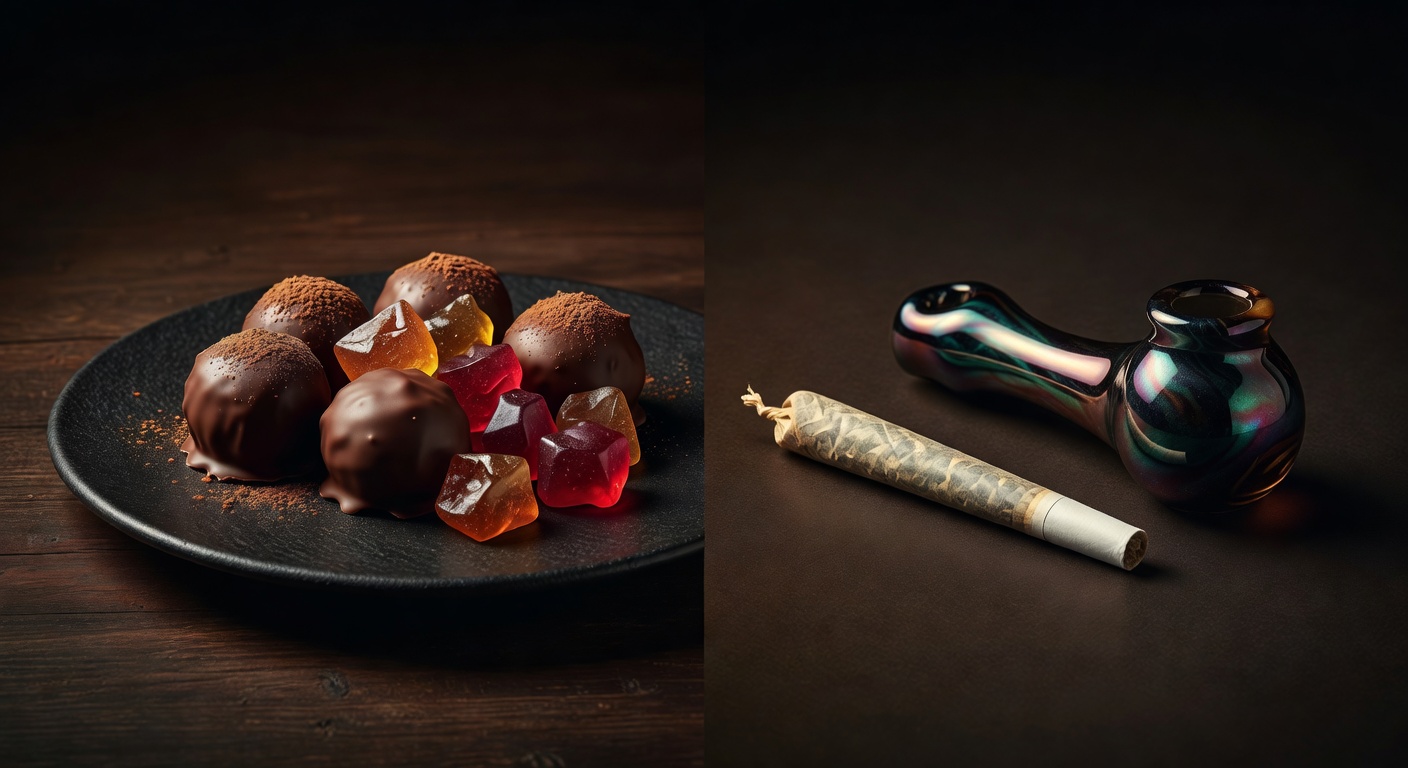
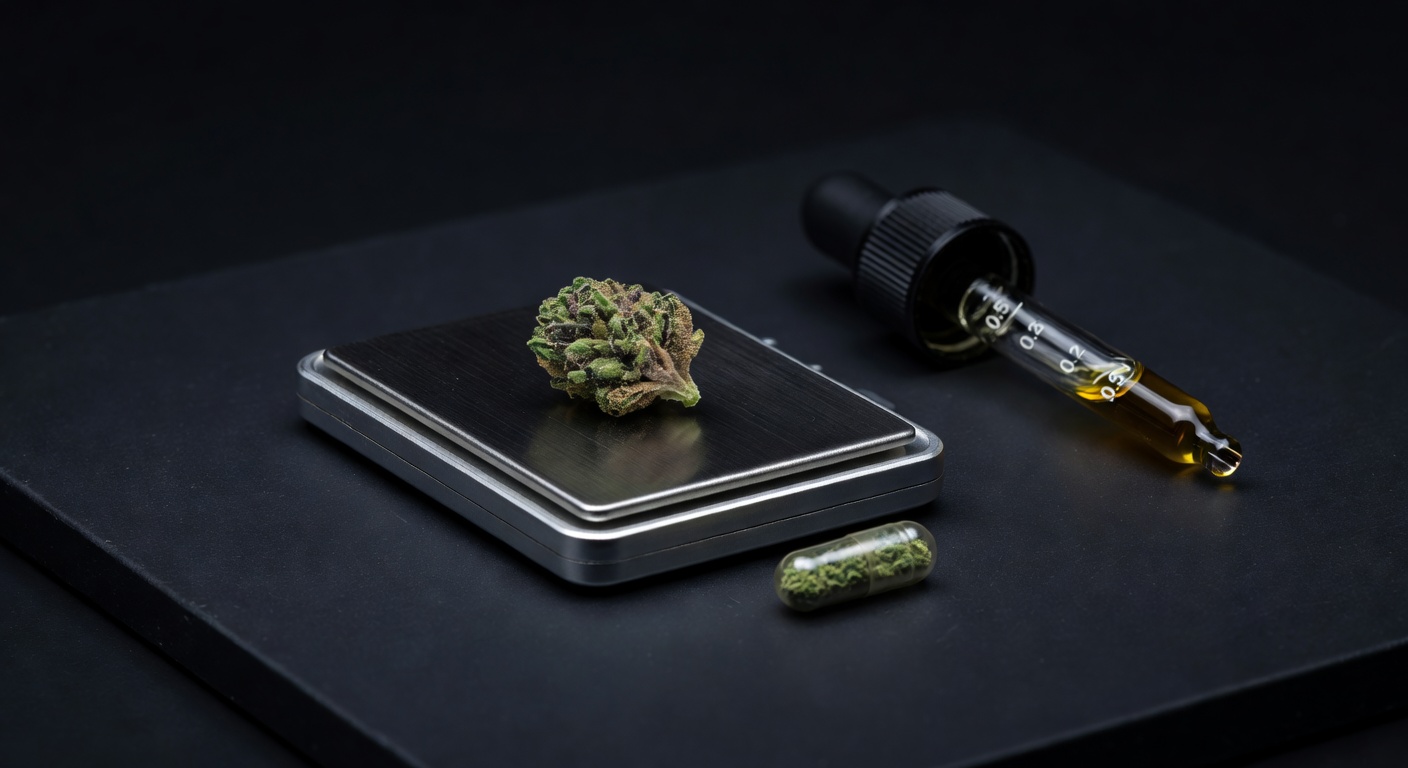
Edibles and capsules (recommended): The most precise way to microdose. Products are available in 1mg, 2.5mg, and 5mg doses. The delayed onset (30-90 minutes) means you need to plan ahead, but the consistent dosing is worth it.
Tinctures: Sublingual tinctures allow moderate precision (measured by dropper) with faster onset than edibles (15-30 minutes). Look for products that specify mg per dropper.
Vaporizing: The fastest onset (1-5 minutes) but the hardest to dose precisely. One small puff from a low-THC strain or a regulated dose pen is approximately 1-3mg THC. Dose pens that deliver a fixed amount per puff are the best option for precise vaporized microdosing.
Smoking: The least precise method for microdosing. If smoking is your preferred method, use a one-hitter or small bowl with a low-to-moderate THC strain and take a single small puff.
Step 3: Find Your Minimum Effective Dose
This is the most important step. Start with the lowest practical dose and work up:
Day 1-2: Start with 1mg THC. Note any effects over the next 2-3 hours. If using edibles, be patient — onset may take 60-90 minutes.
Day 3-4: If you felt nothing at 1mg, increase to 2mg. Again, track effects carefully.
Day 5-6: If 2mg was not sufficient, try 2.5mg.
Continue increasing in 0.5-1mg increments until you reach the dose where you first notice a beneficial effect — subtle calm, mild mood lift, slight physical comfort. This is your minimum effective dose.
Most people land between 1.5mg and 5mg. If you reach 5mg without noticing effects, you may need a longer tolerance break before starting.
Step 4: Establish a Routine
Once you have found your dose, consistency matters:
- **Same dose at the same time(s)** each day produces the most reliable results
- **Morning microdose:** 1-3mg with breakfast for mood and focus support throughout the morning
- **Afternoon microdose:** 1-3mg for a creative or productivity boost
- **Evening microdose:** 2-5mg for relaxation and sleep preparation
- **As-needed:** Some people only microdose for specific situations (social events, creative work, pain flares)
THC:CBD Ratios for Microdosing
Adding CBD to your microdose can enhance therapeutic benefits while further reducing any unwanted psychoactive effects:
THC only (1-3mg): Simplest approach. Good for mood elevation and mild pain relief.
1:1 THC:CBD (2.5mg each): The most studied ratio for therapeutic use. The CBD modulates THC's effects, producing smoother, longer-lasting benefits with very low risk of any anxiety or impairment.
1:2 or 1:4 THC:CBD (2mg THC : 4-8mg CBD): Maximum therapeutic benefit with essentially zero psychoactive effect. Ideal for people who want cannabis benefits in professional settings.
CBD only (5-20mg): Not technically microdosing THC, but a legitimate approach for those who prefer to avoid any THC. CBD alone provides anti-inflammatory, anxiolytic, and neuroprotective benefits.
Strain Selection for Microdosing
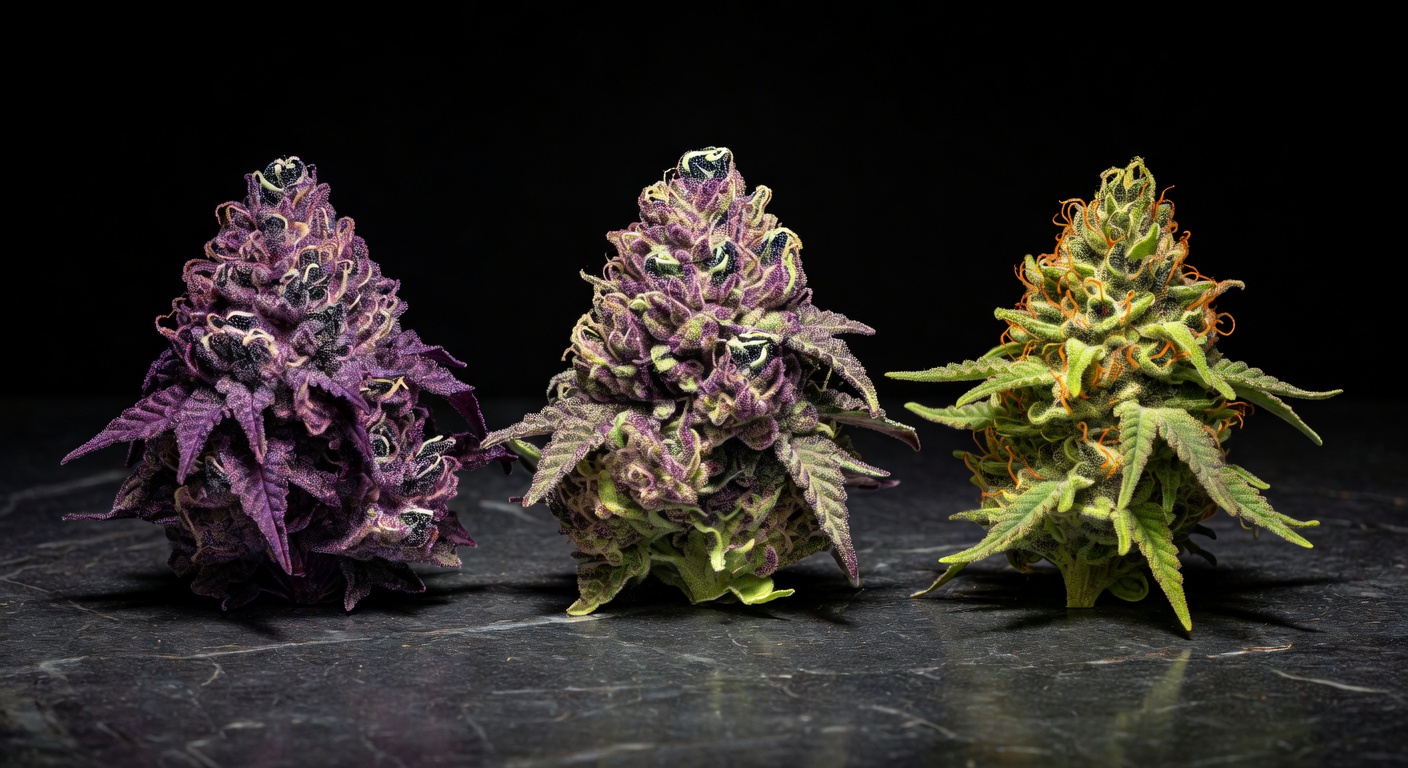
The strain you choose matters even at microdose levels. Terpene profiles still influence the subtle effects:
- **For focus and productivity:** Choose strains dominant in Pinene and Limonene
- **For calm and anxiety reduction:** Choose strains with Linalool and Caryophyllene
- **For creativity:** Terpinolene-dominant strains (Jack Herer family)
- **For pain management:** Caryophyllene and Myrcene dominant strains with some CBD content
The [StrainCompass database](/strains) includes THC content for every strain, making it easy to identify lower-potency options ideal for microdosing. Use [TerpScout](/terpscout) to find strains that match your specific microdosing goals, and check our [best strains for beginners](/best/beginners) — many of the same mild, approachable strains that work for newcomers also excel for microdosing.
Common Mistakes
Taking too much. If you feel notably "high," you have exceeded a microdose. Reduce your next dose by 1mg.
Not waiting long enough. With edibles, wait at least 90 minutes before deciding the dose was not enough. With tinctures, wait 45 minutes.
Inconsistent timing. The benefits of microdosing are most apparent with regular, consistent use over days and weeks. Sporadic dosing makes it hard to evaluate effectiveness.
Ignoring the biphasic effect. Cannabis has a biphasic dose-response for many effects: low doses produce one effect, while high doses produce the opposite. Low THC reduces anxiety; high THC increases it. Low THC can enhance focus; high THC impairs it. Respecting this curve is the foundation of successful microdosing.
Is Microdosing Right for You?
Microdosing is particularly well-suited for: - People new to cannabis who want a gentle introduction - Medical patients seeking functional daytime relief - Creative professionals looking for subtle cognitive enhancement - Anyone who has found higher doses uncomfortable or impairing - Current cannabis users who want to reduce tolerance and consumption
It may not be ideal for people seeking strong recreational effects, managing severe acute pain, or treating conditions that require higher therapeutic doses (such as certain seizure disorders).
Cannabis microdosing is not about getting less out of cannabis — it is about getting more out of less. With the right dose, strain, and consistency, microdosing can integrate cannabis into your daily routine as naturally as a cup of coffee.