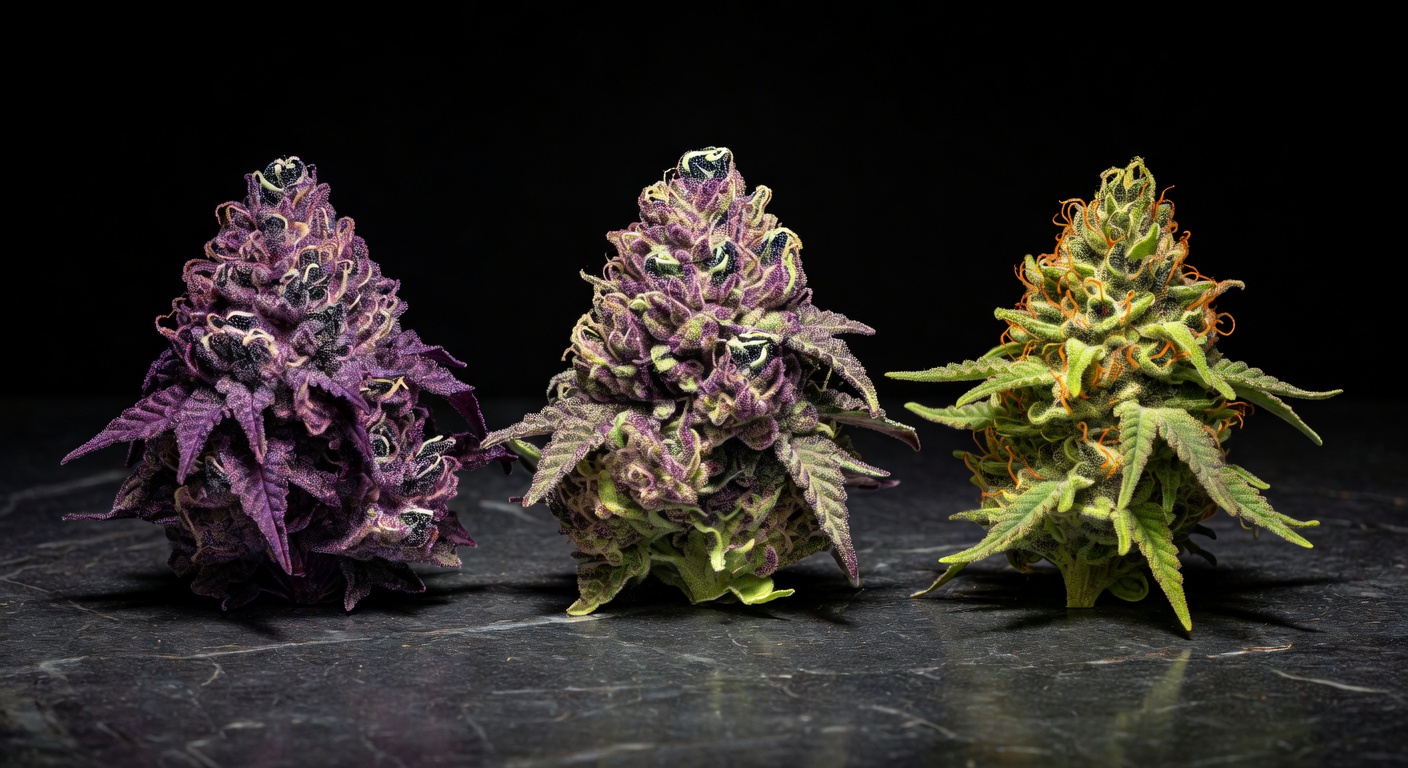
Walk into any dispensary in the world and you will hear the same advice: "Indica for relaxation, sativa for energy." It is the most repeated piece of cannabis wisdom — and it is largely wrong. Here is why, and what you should focus on instead.
The Traditional Classification
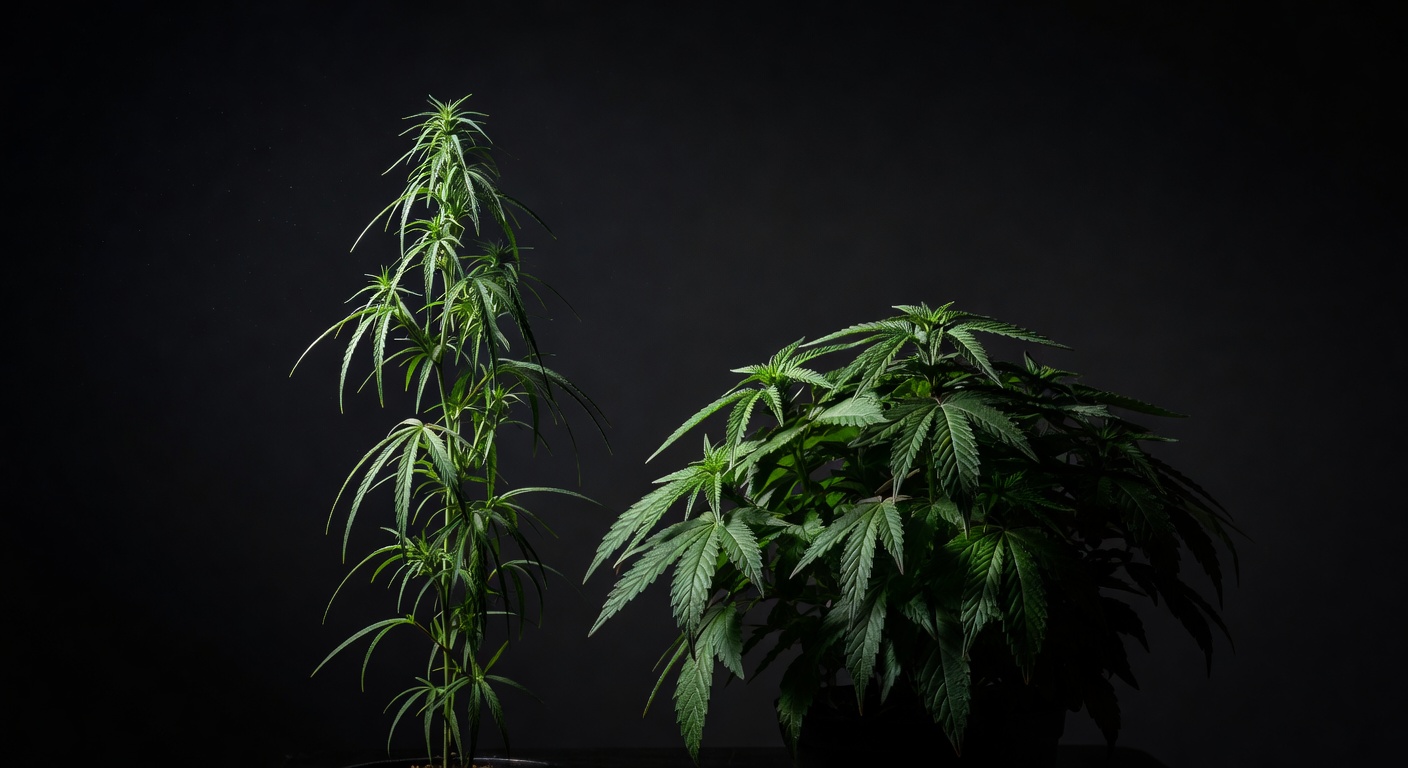
The indica-sativa distinction originally described the physical characteristics of cannabis plants:
- **Cannabis indica** plants are short, bushy, with wide leaves. They originated in the Hindu Kush mountain region and were adapted to harsh, cold climates.
- **Cannabis sativa** plants are tall, thin, with narrow leaves. They evolved in equatorial regions with long growing seasons.
These are real botanical differences. The problem is that somewhere along the way, the industry mapped plant morphology to psychoactive effects — short plant means sedating, tall plant means energizing — and this mapping has no scientific basis.
Why the System Is Broken
Decades of Hybridization
Virtually every strain on the market today is a hybrid. Breeders have been crossing indica and sativa genetics for over 50 years, creating a gene pool so blended that true pure indicas and sativas are essentially extinct in the commercial market. When a dispensary labels a strain "indica," they are typically describing its effects, not its genetics.
The Same Strain, Different Effects
Research from Dalhousie University analyzed the genetic profiles of 297 cannabis strains and found that indica and sativa labels were not reliably associated with distinct genetic lineages. Many strains labeled "indica" were genetically closer to strains labeled "sativa" than to other "indicas."
This explains a common consumer experience: buying the same "strain" from two different growers and having completely different experiences. The name and indica/sativa label tell you very little about what is actually in the plant.
What Actually Determines Effects
The effects you feel from cannabis are determined by three factors:
1. Terpene profile — The aromatic compounds that modulate how cannabinoids interact with your body. This is the single most important factor in predicting effects. 2. Cannabinoid ratios — Not just THC, but the balance of THC, CBD, CBN, CBG, and other minor cannabinoids. 3. Your individual biology — Endocannabinoid system variations, tolerance, metabolism, and even your current mood all influence the experience.
The Terpene-Based Alternative
A growing number of cannabis scientists and educators advocate for replacing the indica/sativa system with a terpene-based classification. Here is what the science supports:
Sedating Profiles (What People Call "Indica")
Strains high in Myrcene and Linalool tend to produce sedating, body-heavy effects. These are the strains people reach for at bedtime. They may be labeled indica, hybrid, or even sativa — it is the terpene profile that matters.
Energizing Profiles (What People Call "Sativa")
Strains high in Terpinolene, Limonene, and Pinene tend to produce uplifting, cerebral effects. These are the creative, daytime strains. Again, the label on the jar is less important than the terpenes inside it.
Balanced Profiles (What People Call "Hybrid")
Many strains have a mix of sedating and energizing terpenes, producing balanced effects. These are often the most versatile strains and work well for people who want relaxation without total sedation.
What Should Consumers Do?
1. Ask for Lab Results
The best predictor of how a strain will affect you is its Certificate of Analysis (COA). Look for the terpene breakdown, not just the THC percentage.
2. Keep a Strain Journal
Track which strains work well for you and which do not. Over time, you will notice patterns in terpene profiles that correlate with your preferred effects. StrainCompass makes this easy with its built-in journal feature.
3. Use Indica/Sativa as a Starting Point
The labels are not useless — they give a rough idea of the breeder's intent. But treat them as a suggestion, not a guarantee. A strain labeled "sativa" with high Myrcene may still put you to sleep.
4. Experiment Intentionally
Try strains from different categories with similar terpene profiles. You may discover that your favorite "indica" shares more in common with a particular "sativa" than with other indicas.
The Future of Cannabis Classification
The industry is slowly moving toward more scientific classification systems. Some dispensaries in Colorado and California now organize their menus by terpene profile or effect category rather than indica/sativa. Companies like StrainCompass provide terpene data for thousands of strains, making it easier than ever to shop by science rather than tradition.
The indica-sativa framework was useful when cannabis was simple. In 2026, with tens of thousands of hybrid strains and advanced terpene analysis available, it is time to upgrade how we think about cannabis. Your perfect strain is defined by its chemistry, not its shape.